
The feed has replaced the front page: Report says AI, TikTok and creators are changing how we get news
A recent report indicates a significant shift in how people consume news, moving away from traditional front pages towards personalized feeds. This transformation is largely driven by the rise of artificial intelligence chatbots, short-form video platforms like TikTok, and the increasing influence of independent content creators. These technologies and individuals are fundamentally altering the distribution and discovery mechanisms for news content. The report highlights a growing preference for curated, algorithm-driven content over editorially selected headlines, reflecting changing user behaviors and expectations in the digital age. This trend has profound implications for media organizations, content producers, and the future of journalism.
The shift from traditional front pages to algorithm-driven feeds, propelled by AI, short-form video, and independent creators, represents a critical inflection point for Asia's media and tech landscape. This trend underscores the growing power of personalization and instant gratification in content consumption, forcing traditional news outlets to re-evaluate their distribution strategies and content formats. For Asian startups in the media tech space, this presents immense opportunities in developing AI-powered content curation tools, creator economy platforms, and innovative short-form news delivery mechanisms. The ability to effectively leverage these technologies will determine success in capturing the attention of a rapidly evolving digital audience.
Furthermore, this evolution impacts advertising models and data privacy regulations across Asia. As AI-driven feeds become more prevalent, the ethical implications of algorithmic bias and the spread of misinformation will require careful consideration by regulators and platform providers alike. The rise of independent creators also signifies a decentralization of influence, potentially democratizing news dissemination but also posing challenges in maintaining journalistic standards and credibility. Asian markets, with their high mobile penetration and diverse cultural contexts, are particularly fertile ground for these shifts to manifest, demanding adaptive strategies from all stakeholders.
Related reading
6 stories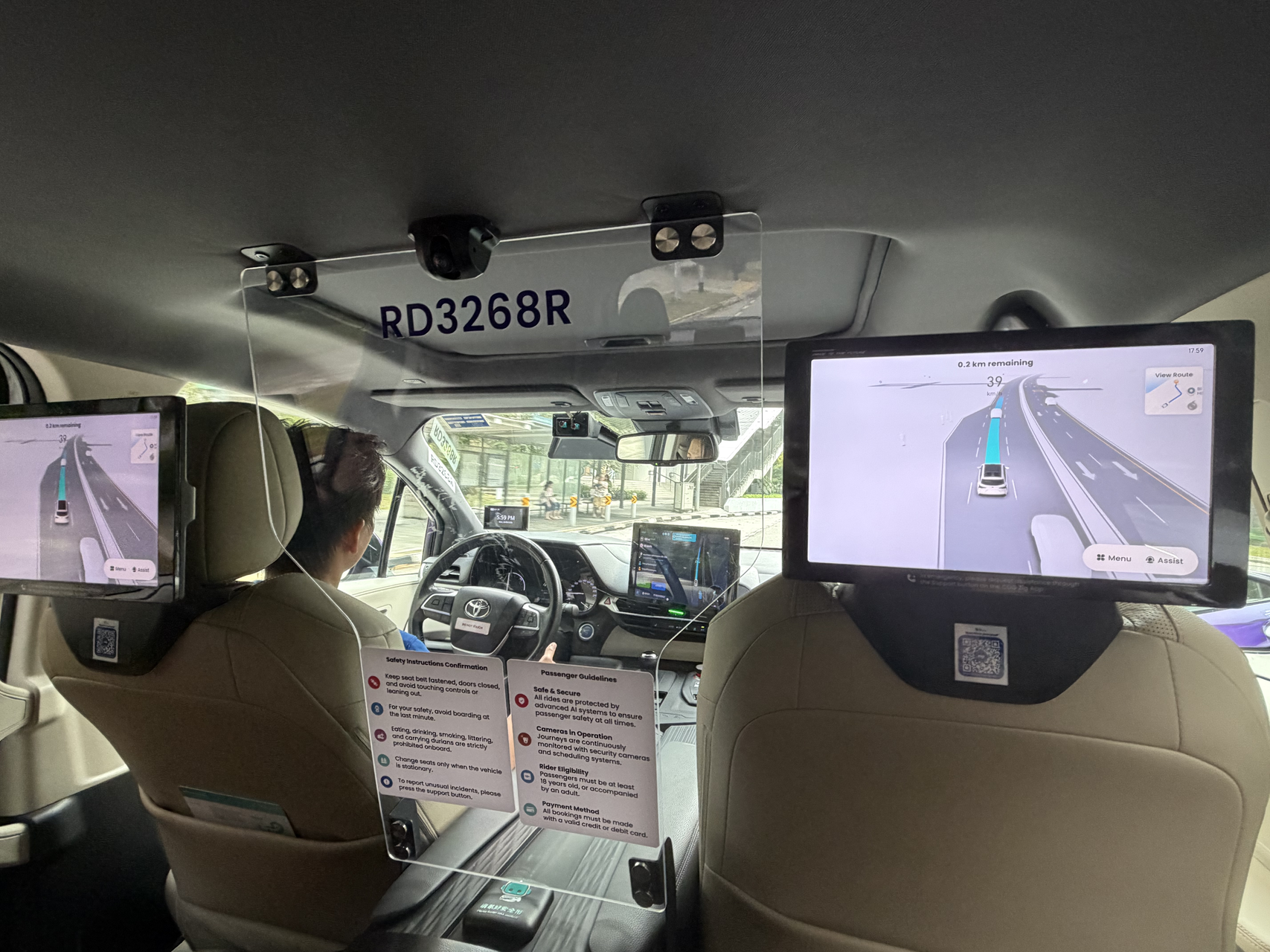
If driverless cars already work, why aren’t they everywhere?

People’s Daily rejects US claims of malicious AI distillation, warns of countermeasures

Databricks to Invest Over US$350 Million in Singapore, Double Its Workforce

Sumsub Launches Workforce Verification as Deepfake Risks Grow

Personetics Launches AI Banking Console for Relationship Managers
