
Tariff refunds are showing up — in a big way — on the government's bottom line
The US Customs and Border Protection is reportedly issuing significant tariff refunds, with approximately $14 billion already withdrawn in May. This substantial outflow of funds indicates a notable increase in the quantity of tariff refund checks being processed. The development suggests a potential shift in trade policy enforcement or a correction of previously levied duties. The financial implications for businesses that have paid these tariffs could be considerable, potentially freeing up capital or impacting their operational costs. This trend warrants close observation as it could signal broader adjustments in international trade relations and financial flows.
The substantial tariff refunds being issued by US Customs and Border Protection, as indicated by the $14 billion withdrawn in May, carry significant implications for Asia's tech ecosystem and market dynamics. Many Asian manufacturers and tech companies, particularly those involved in electronics, components, and finished goods, have been directly impacted by US tariffs. These refunds could provide a much-needed financial boost to these companies, improving their liquidity, enabling further investment in R&D, or supporting expansion into new markets. The influx of capital could also stimulate innovation within the region, as companies might reallocate resources towards advanced manufacturing, AI integration, or sustainable technologies to enhance competitiveness.
Furthermore, this development could subtly influence supply chain strategies. Companies that previously diversified away from tariff-affected regions might reconsider their sourcing if the risk of future tariffs or the prospect of refunds becomes a more predictable factor. For Asian tech startups, this could mean a more stable export environment, potentially attracting more foreign direct investment. The broader trend suggests a dynamic and evolving trade landscape, where policy adjustments can have immediate and far-reaching financial consequences for globalized industries, with Asia at the forefront of manufacturing and technological innovation.
Related reading
6 stories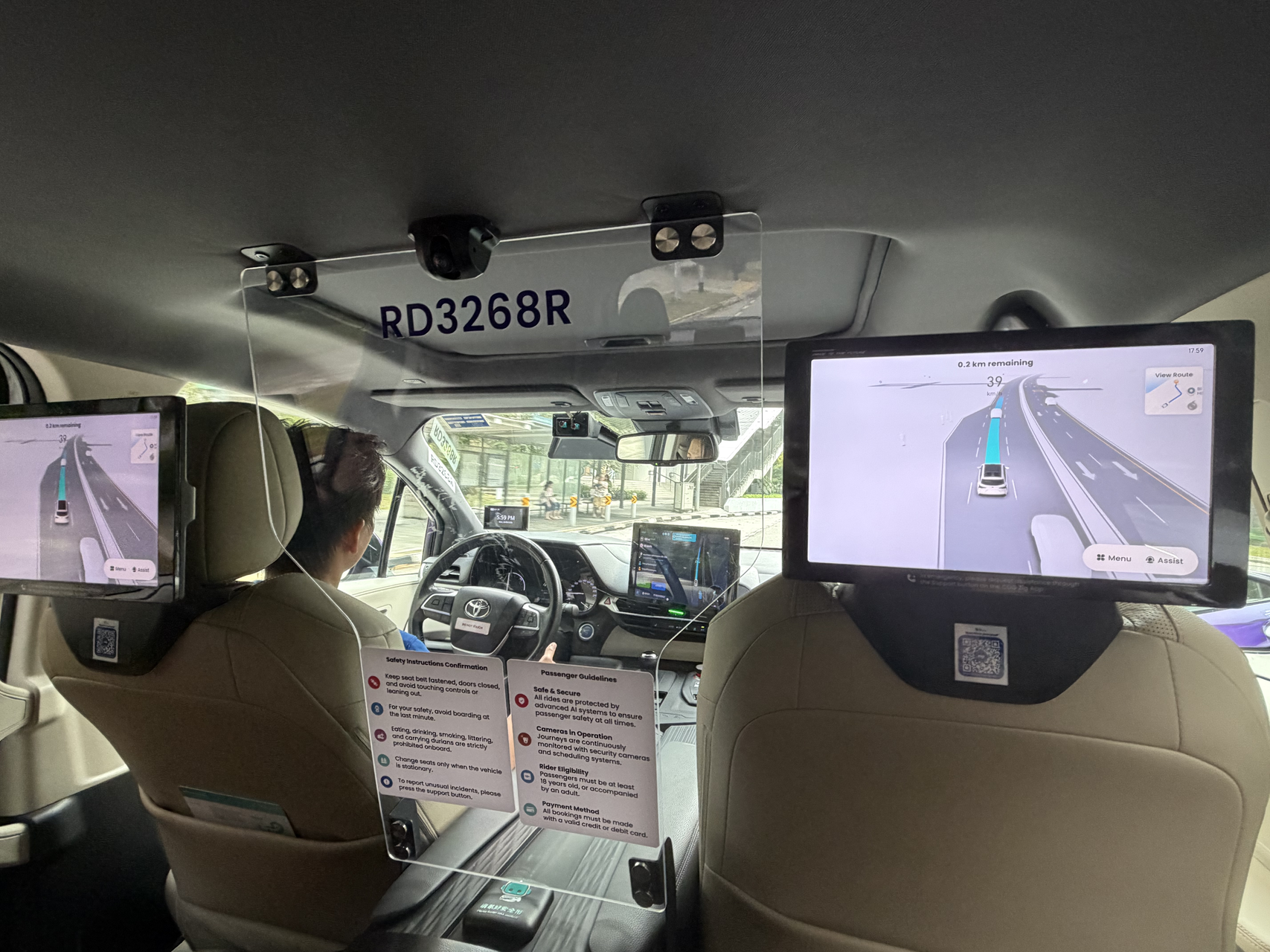
If driverless cars already work, why aren’t they everywhere?

Databricks to Invest Over US$350 Million in Singapore, Double Its Workforce

Sumsub Launches Workforce Verification as Deepfake Risks Grow
ByteDance’s AI-enhanced short-drama app eclipses China’s Netflix rivals combined

Personetics Launches AI Banking Console for Relationship Managers
