China to launch three-crew space mission as part of Moon ambitions
China is preparing to launch its Shenzhou-23 mission, which will send three astronauts to the Tiangong space station. This mission is a crucial step in China's ambitious space program, which includes plans for a historic one-year orbital stay. These efforts are part of a broader strategy to advance China's lunar exploration goals, with the nation aiming to achieve significant milestones in space by 2030. The mission underscores China's growing capabilities and commitment to becoming a leading power in space exploration.
China's upcoming Shenzhou-23 mission, with its planned one-year orbital stay and broader lunar ambitions, signifies a major acceleration in the country's space technology development. This push is not merely about scientific achievement; it's a strategic play that will likely spur significant investment and innovation within China's aerospace sector. The demand for advanced materials, propulsion systems, AI-driven navigation, and life support technologies will create new market opportunities for Chinese tech companies, fostering a robust domestic supply chain and potentially reducing reliance on foreign components. This national endeavor could also attract top engineering and scientific talent, further solidifying China's position as a global tech powerhouse.
From a regional perspective, China's space advancements could intensify competition and collaboration dynamics across Asia. While some nations might view this as a challenge, others could seek partnerships in areas like satellite technology, data services, or even joint research initiatives. The long-term implications extend to geopolitical influence, as a strong space program enhances a nation's prestige and strategic capabilities. For Asia's tech ecosystem, this means a heightened focus on space-related technologies, potentially leading to a new wave of startups and research initiatives aimed at supporting or complementing China's ambitious space agenda.
Related reading
6 stories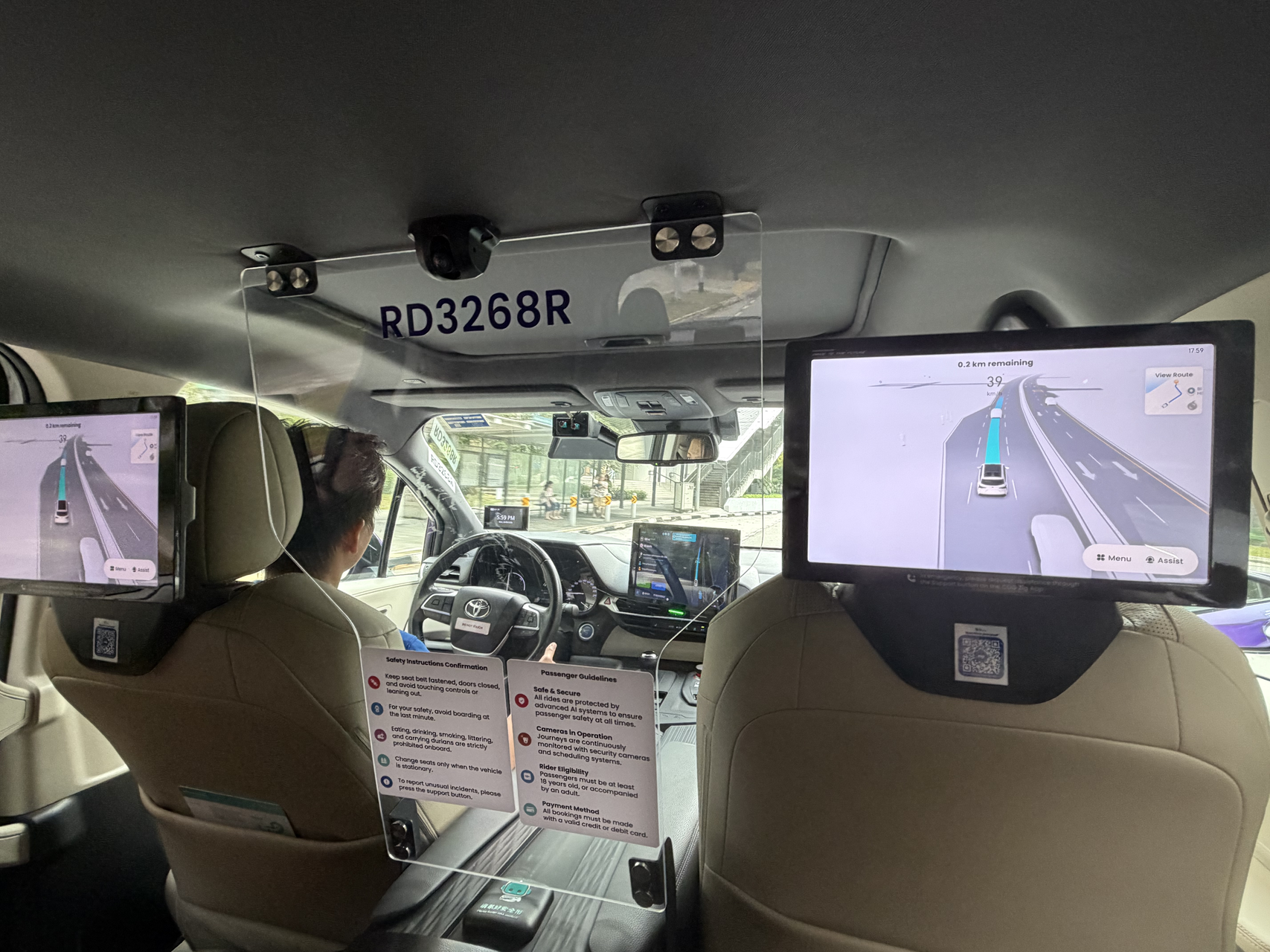
If driverless cars already work, why aren’t they everywhere?

Sumsub Launches Workforce Verification as Deepfake Risks Grow
ByteDance’s AI-enhanced short-drama app eclipses China’s Netflix rivals combined

Timo Joins Top 10 Banks in Vietnam by Customer Satisfaction

Payment Agility and Modernisation for the Age of Intelligence