Singapore Says You Bear the Loss If You Fall for an Investment Scam
Singapore will not extend its Shared Responsibility Framework to investment scams where victims authorize the transfers themselves. The Monetary Authority of Singapore (MAS) stated that the framework was designed for phishing scams involving unauthorized transactions, not self-effected transfers. Investment scams accounted for the highest losses among all scam types in the first half of 2026. However, overall scam cases and losses declined in 2025 and the first half of this year. Singapore will instead focus on prevention, requiring online messaging platforms to limit contact from unknown users and warn about scam risks. Major retail banks have also implemented cooling periods for high-risk activities, such as adding payees or making large transfers.
Singapore's decision not to extend its Shared Responsibility Framework to investment scams, where victims self-authorize transfers, underscores a clear shift in regulatory focus. The MAS, through Deputy Chairman Chee Hong Tat, emphasizes individual accountability for such losses, distinguishing them from unauthorized phishing transactions. This policy stance, while potentially unpopular with victims, aims to reinforce personal vigilance in a market where investment scams recorded the highest losses in the first half of 2026. The strategy now centers on proactive prevention rather than post-incident compensation. New measures target online messaging platforms, requiring them to restrict unsolicited contact and issue scam warnings. Additionally, major retail banks are implementing cooling periods for high-risk transactions. This coordinated approach by MAS and financial institutions reflects a broader regional challenge in combating sophisticated financial fraud, with Singapore opting for a robust preventative and educational framework over a compensatory one for self-initiated transfers.
Related reading
6 stories
Singapore to Pilot Common Prefix for Govt Calls to Fight Deepfake Scams
Singapore is also piloting a common prefix for government calls to combat deepfake scams, another proactive prevention measure.
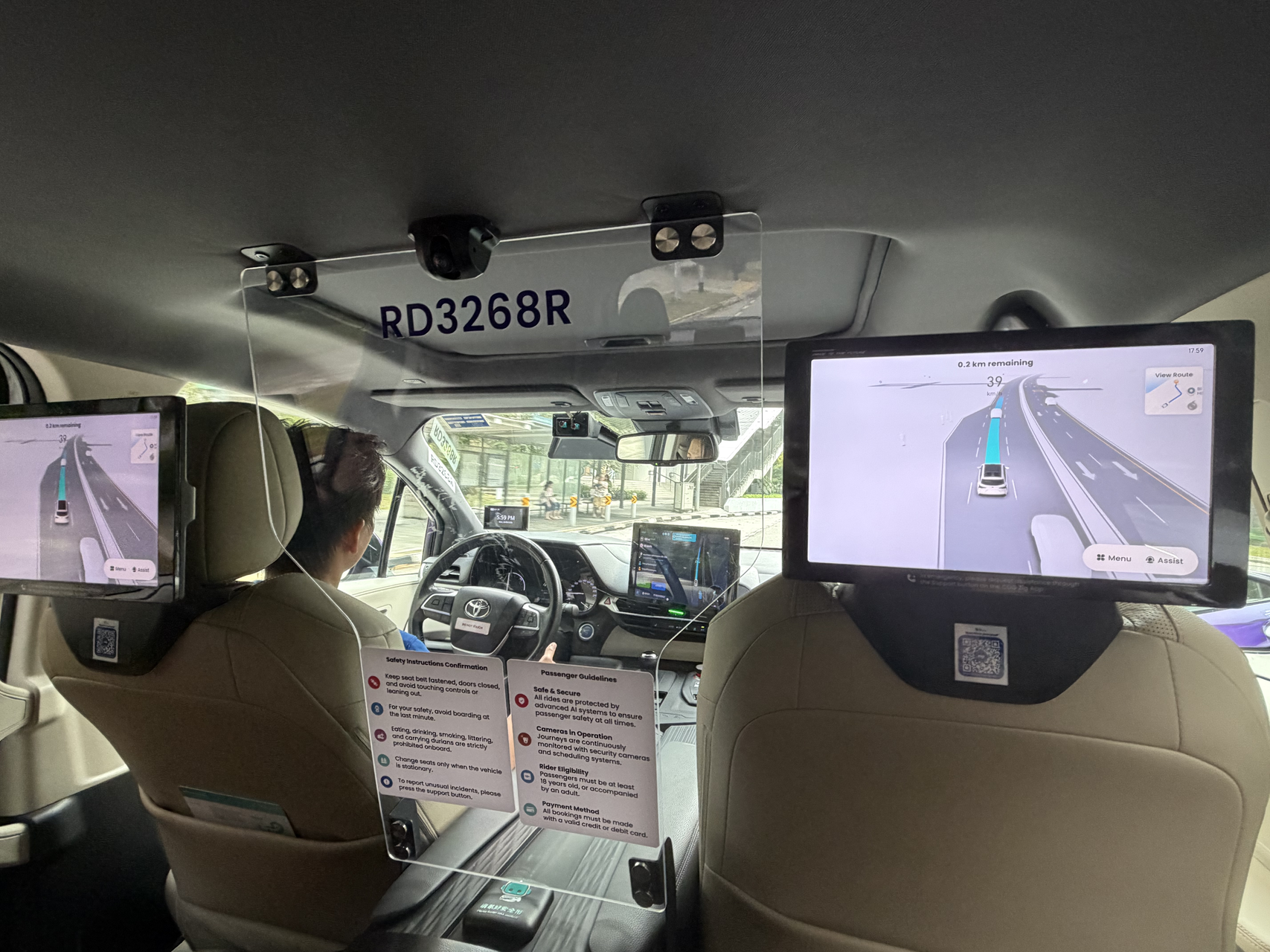
If driverless cars already work, why aren’t they everywhere?

Databricks to Invest Over US$350 Million in Singapore, Double Its Workforce
Sumsub Launches Workforce Verification as Deepfake Risks Grow

ByteDance’s AI-enhanced short-drama app eclipses China’s Netflix rivals combined