Singapore to Pilot Common Prefix for Govt Calls to Fight Deepfake Scams
Singapore will pilot a common prefix for official government calls to combat deepfake impersonation scams. The Singapore Police Force will initiate testing of this prefix in late 2026, with broader government agency adoption planned thereafter. This measure was first announced earlier in the year and was discussed in Parliament by MAS Deputy Chairman Chee Hong Tat. The discussion followed an MP's inquiry about safeguards introduced from October 2025 and a deepfake case that resulted in S$5 million in losses. Chee emphasized that bank controls alone are insufficient, necessitating a multi-stakeholder approach involving financial institutions, online platforms, government agencies, and the public.
Singapore's plan to pilot a common prefix for government calls by late 2026 reflects a growing regional focus on combating deepfake scams. This initiative, alongside existing measures like stricter bank controls and rules for messaging services, targets a critical vulnerability in digital trust. The S$5 million loss from a deepfake impersonation case underscores the financial stakes involved for individuals and the broader economy. The emphasis on a multi-pronged approach involving financial institutions, online platforms, and government agencies is the key takeaway for other Asian markets. Relying solely on bank controls is insufficient; a coordinated effort is necessary to build robust defenses against evolving scam tactics. The implementation timeline, with police testing in late 2026, suggests a measured rollout, allowing for adjustments based on initial findings. The thing to watch is how effectively this prefix integrates across various government departments and whether it genuinely reduces scam success rates, especially as deepfake technology advances.
Related reading
6 stories
Mastercard, Visa and Ant International Move to Make AI Agent Payments Safer
Mastercard, Visa, and Ant International are also moving to make AI agent payments safer, reflecting a shared industry concern.
WeChat fixes flaws after US firm shows AI cyberattack worm could hijack accounts
WeChat also fixed flaws after a US firm showed an AI cyberattack worm could hijack accounts, highlighting platform vulnerabilities.
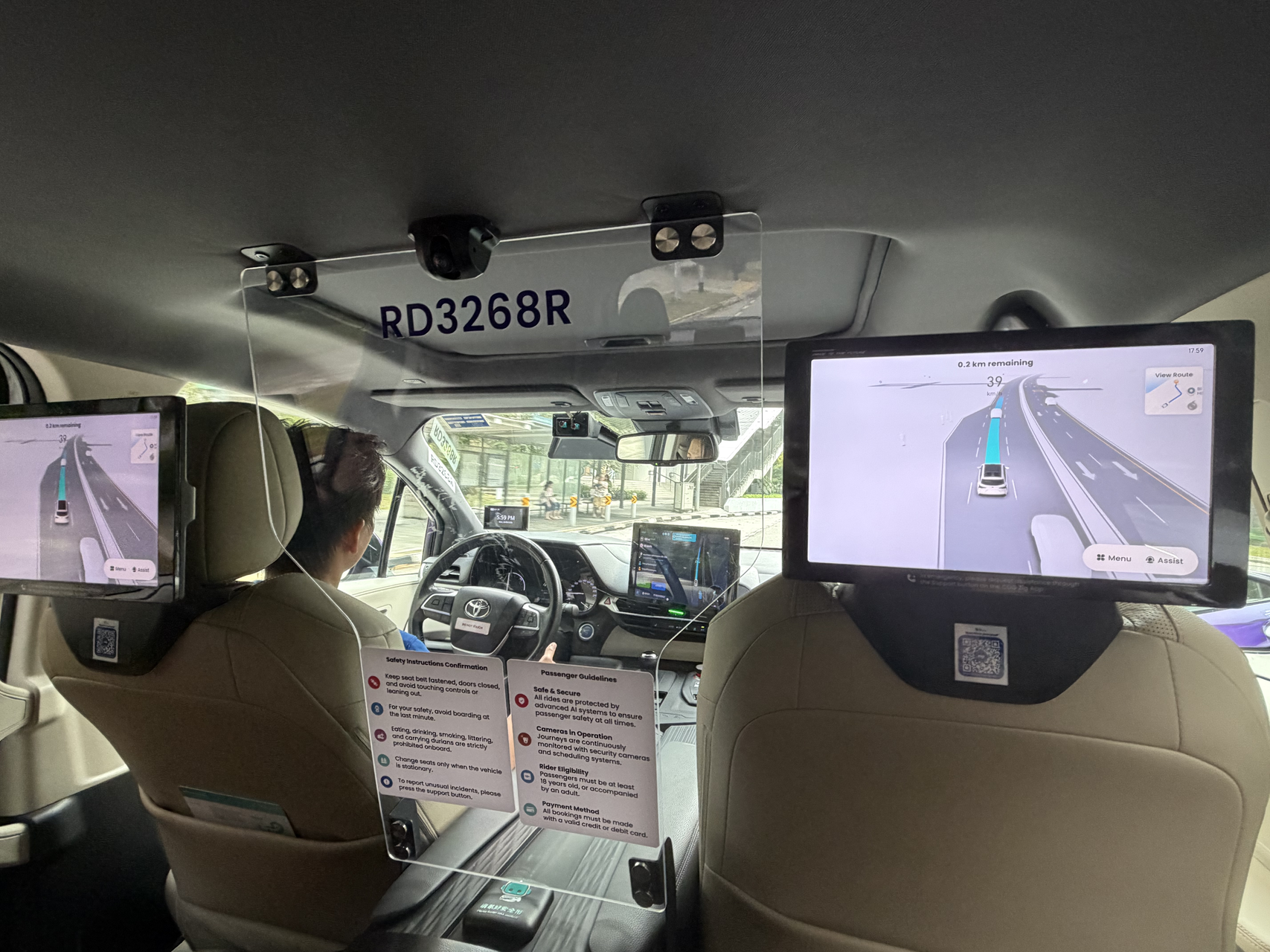
If driverless cars already work, why aren’t they everywhere?

Databricks to Invest Over US$350 Million in Singapore, Double Its Workforce

Sumsub Launches Workforce Verification as Deepfake Risks Grow