SEON Expands Fraud Checks as AI Makes Fake Identities Easier to Create
SEON expanded its fraud detection platform to more than 1,100 data signals. This update targets fake identities and linked fraudulent accounts. The Signal Intelligence update increases coverage from over 900 proprietary data points. It adds address, phone, and session data alongside more detailed digital footprint and device checks. SEON CEO Tamas Kadar stated that AI makes believable identities cheap to produce, but consistent history is harder to fake. The platform aims to uncover inconsistencies that individual checks miss.
SEON's platform expansion to over 1,100 data signals is a direct response to AI's impact on fraud. Tamas Kadar is correct. AI makes convincing fake identities easy to generate. The real challenge for fraudsters is maintaining a consistent, believable history across multiple accounts and services. This update helps fraud teams identify these historical gaps and infrastructure reuse.
For Asia's fintech sector, this means a necessary upgrade in fraud defenses. Companies like Grab Financial Group or Ant Group, which handle millions of transactions daily, face constant pressure from sophisticated fraud. SEON's approach of cross-referencing over 240 countries' address data and device checks for AI-agent activity offers a stronger shield. This benefits regional players by improving trust and reducing financial losses, particularly in markets with high digital adoption and evolving fraud tactics.
The thing to watch is how quickly SEON's Model Context Protocol server integrates these new signals with existing AI tools. The effectiveness of this expansion depends on seamless data flow into fraud detection models. If it reduces false positives while catching more fraud, it will set a new standard for identity verification in Asia and beyond.
Related reading
6 stories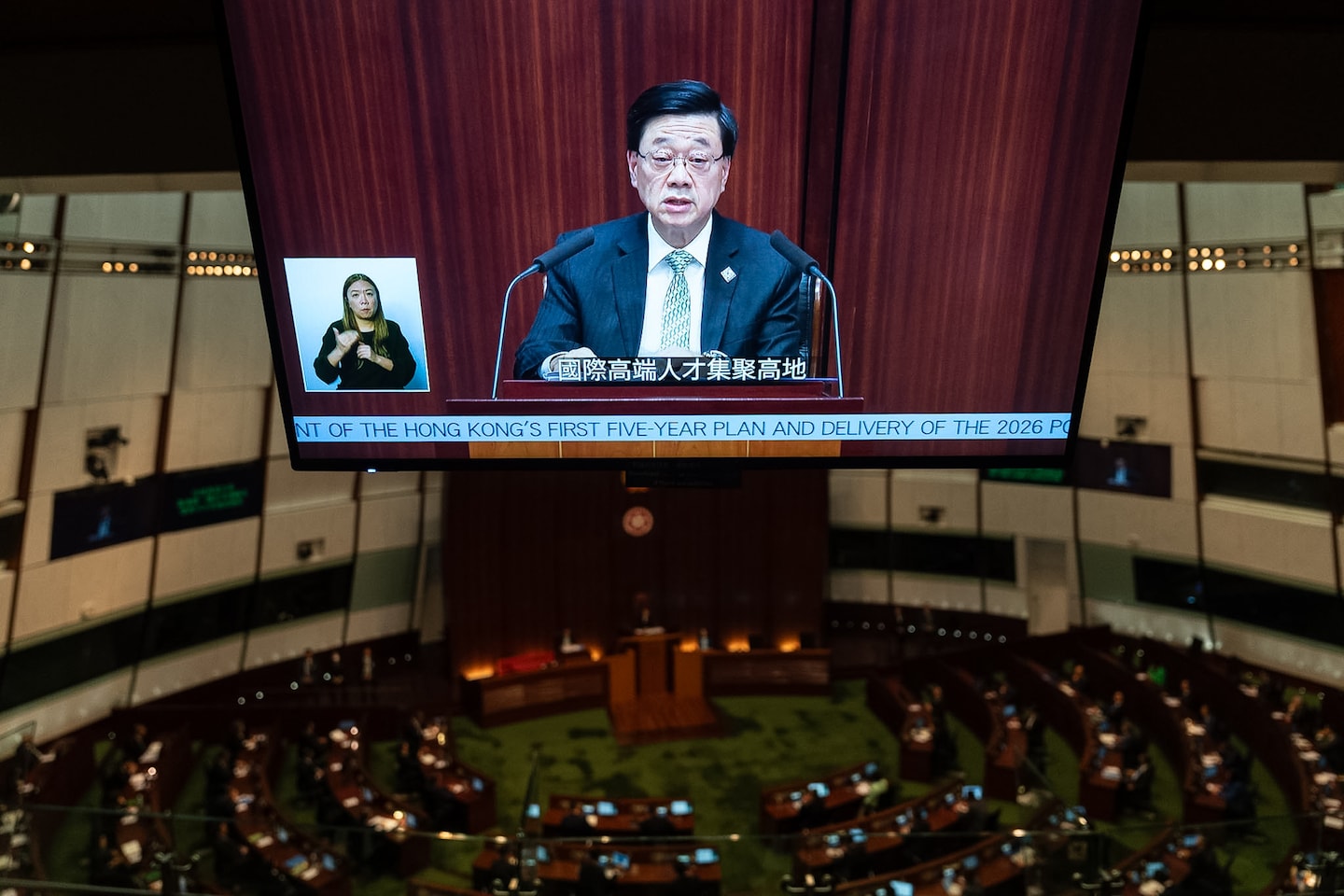
Hong Kong's first five-year plan bets on AI skills: from kindergartens to the workforce

Singapore Rolls Out Over 200 AI Courses With Free Access to Selected Premium Tools

CATL tightens supplier scrutiny in push for carbon-neutral EV batteries

Hong Kong aims to raise innovation spending to 3% of GDP by about 2030
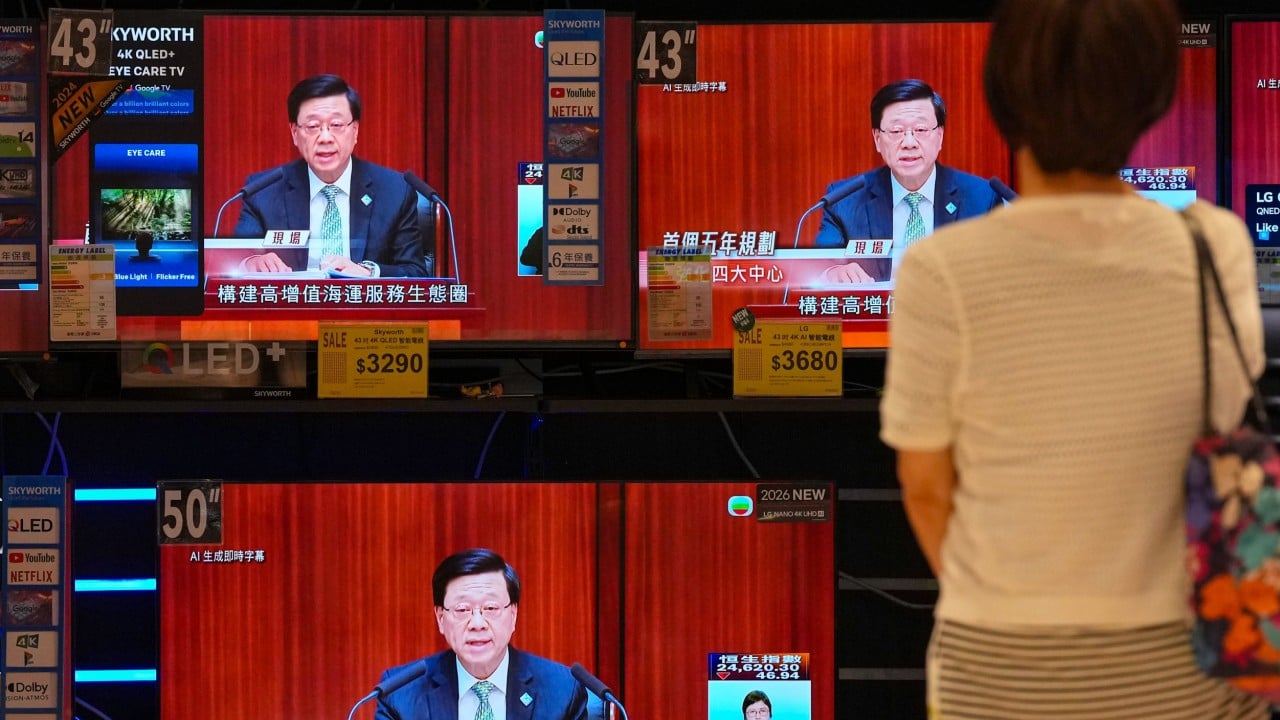
Hong Kong sets 5-year plan to double innovation spending, boost new industries