
Punching above their weight: how China’s AI giants stretch each dollar in compute race
Chinese AI firms are narrowing the compute divide with American peers, spending significantly less while achieving comparable growth. A new report by Moody's Ratings indicates that lower buildout costs, targeted policy incentives, and access to cheaper green energy allow Chinese tech giants to stretch their investment dollars further. Capital expenditure by major Chinese tech companies is projected to more than double from US$65 billion in 2025 to approximately US$140 billion this year, reaching US$165 billion by 2027. This efficiency raises questions about the long-term impact of the spending gap between US and Chinese firms in the global AI race.
The conventional wisdom that US tech giants' massive AI spending guarantees an advantage over China may be flawed. Moody's Ratings suggests that Chinese firms are punching above their weight, securing more computing power per dollar due to lower domestic costs and significant state support. This efficiency means China's AI sector is closing the compute gap at a fraction of the cost, a critical factor for Asia's competitive tech landscape. For companies operating in or with an eye on the Chinese market, this points to a more resilient and cost-effective AI development environment than often perceived. The ability to achieve more with less capital could accelerate China's domestic AI capabilities and reduce its reliance on external tech. The thing to watch is how this cost efficiency translates into actual AI model performance and innovation. While compute power is foundational, the quality of research, talent, and data also dictates progress. The projected capital expenditure of US$140 billion this year by Chinese tech companies, rising to US$165 billion by 2027, suggests sustained investment. However, the true test will be whether this translates into breakthroughs that challenge global leaders, or if it primarily serves to strengthen domestic applications and reduce reliance on foreign technology.
Related reading
6 stories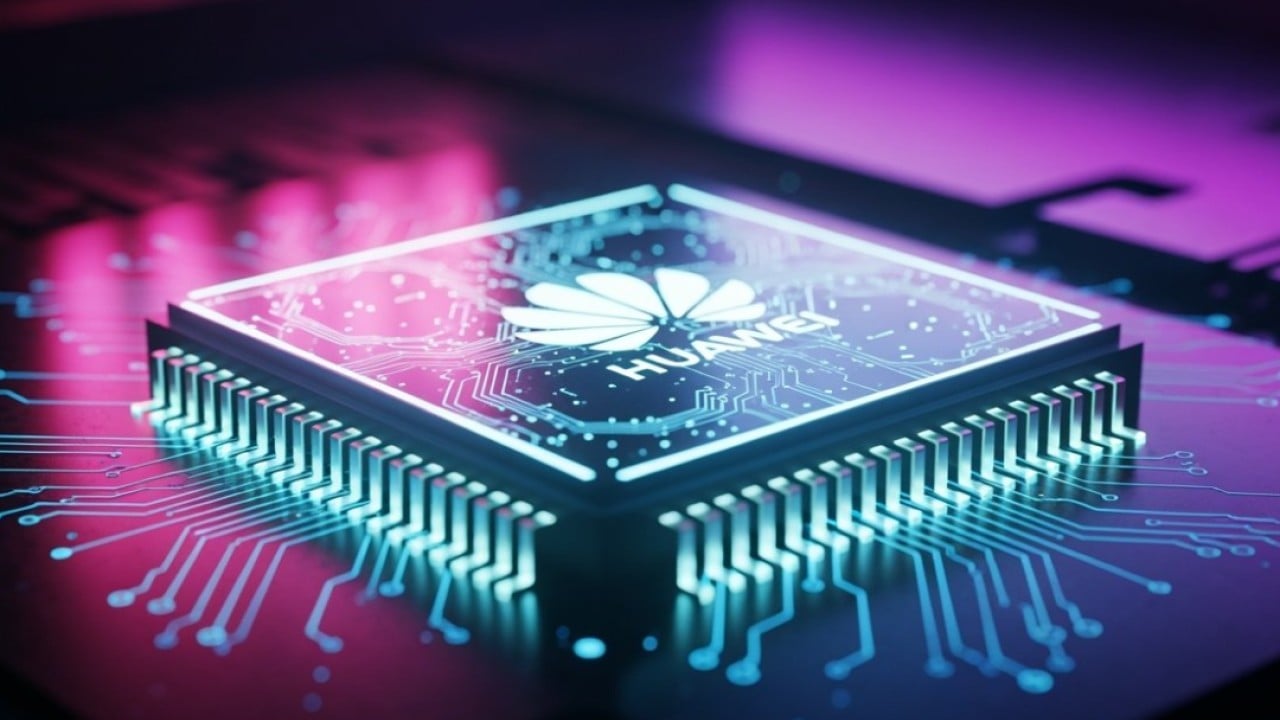
Huawei paper shows Tau Scaling Law chip solves overheating ahead of Kirin 2026 launch
Huawei's chip advancements, like the Tau Scaling Law, show how Chinese firms innovate to overcome compute limitations.
People’s Daily rejects US claims of malicious AI distillation, warns of countermeasures

Databricks to Invest Over US$350 Million in Singapore, Double Its Workforce
ByteDance’s AI-enhanced short-drama app eclipses China’s Netflix rivals combined

Personetics Launches AI Banking Console for Relationship Managers
