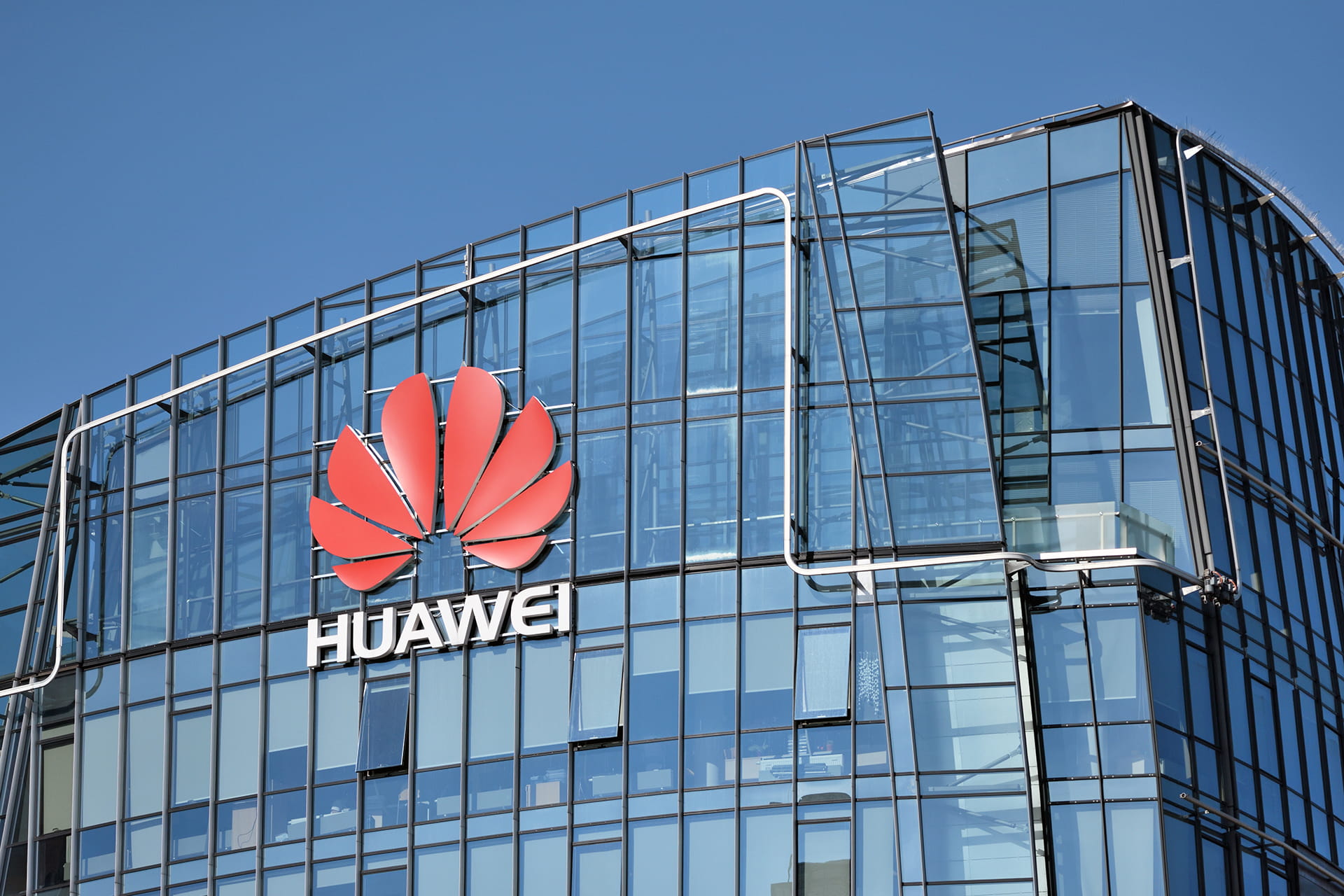
Huawei paper shows Tau Scaling Law chip solves overheating ahead of Kirin 2026 launch
Huawei Technologies has published a research paper detailing its Tau Scaling Law-based semiconductor architecture, which addresses overheating issues in vertically stacked logic circuits. The paper, authored by He Tingbo, chairwoman of the Huawei Scientist Committee and president of its semiconductor business department, directly counters skepticism about thermal bottlenecks. The company's measurements for its new Kirin chip show it runs cooler than its predecessor, despite packing 55 percent more transistors per square millimeter. This new architecture also cuts power use by up to 66 percent on some key tasks, allowing for flexible switching between functional constraints and peak performance ahead of the anticipated Kirin 2026 smartphone chip launch.
Huawei's new research paper on its Tau Scaling Law chip architecture directly tackles the critical overheating challenge in advanced semiconductor design. The company claims its Kirin 2026 chip will run cooler than previous models while increasing transistor density by 55 percent and reducing power consumption by up to 66 percent for certain tasks. This technical validation, published on ChinaXiv, is a significant step for Huawei's domestic chip ambitions. For China's semiconductor industry, this development reflects a determined push to overcome design hurdles internally. If the Kirin 2026 delivers on these thermal and efficiency promises, it would strengthen Huawei's position in the high-end smartphone market, reducing reliance on external foundries for advanced chip designs. The key thing to watch is the independent validation and real-world performance of the Kirin 2026 once it ships, as the paper has not yet been peer-reviewed.
Related reading
6 stories
People’s Daily rejects US claims of malicious AI distillation, warns of countermeasures

Databricks to Invest Over US$350 Million in Singapore, Double Its Workforce
ByteDance’s AI-enhanced short-drama app eclipses China’s Netflix rivals combined
Personetics Launches AI Banking Console for Relationship Managers

Anthropic Sets October Launch for Singapore Office With Local Hiring Planned