How Tata Motors Commercial Vehicles benefits from €3.8B Iveco acquisition
Tata Motors Commercial Vehicles (TMCV) is set to become a global player in the commercial vehicle industry following its €3.82 billion acquisition of Italian group Iveco. The deal, expected to close by October 26, will be executed through a tender offer and is projected to significantly alter TMCV's business model and revenue streams. Post-acquisition, TMCV anticipates delivering approximately 590,000 commercial vehicles annually. The combined entity's revenue is expected to exceed €21 billion, with a new geographical revenue distribution of 46% from Europe, 32% from India, and the remainder from other emerging markets. This move aims to diversify Tata's business, protect it from domestic market downturns, and provide access to Iveco's advanced FPT powertrain technology for zero-emission mobility.
The €3.82 billion acquisition of Iveco by Tata Motors Commercial Vehicles (TMCV) is a transformative step for the Indian automotive giant. This deal is not just about expanding market share, but fundamentally reshaping Tata's revenue distribution, with Europe contributing 46% and India 32% to a combined revenue exceeding €21 billion. This diversification shields the business from India's cyclical commercial vehicle market and provides immediate access to Iveco's advanced FPT powertrain technology, crucial for zero-emission mobility. The immediate challenge for Tata will be managing the €3.82 billion cash outlay, which will sharply increase balance sheet leverage and short-term interest costs. Initial cost synergies cannot rely on headcount reductions, as Tata has agreed to preserve Iveco's existing sites and workforce for two years. Therefore, margin expansion must come from joint procurement, shared component platforms, and broader operational leverage. For long-term investors, the transaction creates immense industrial scale and deepens technological capabilities, but short-term investors should prepare for earnings pressure and valuation multiple compression due to bridge debt servicing and European macroeconomic risks.
Related reading
6 stories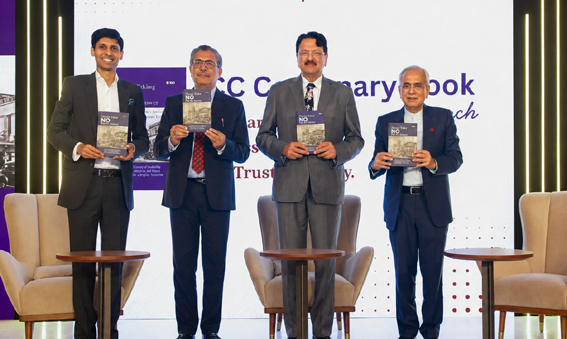
India Is Yet to Be Transformed: Ajay Piramal and Rajiv Kumar Engage with ICC Young Leaders Forum at ICC Centenary Book Launch
This article offers a broader perspective on India's economic transformation, a key context for Tata's strategic moves.

Indian Bank expects 30-35% growth in Rajasthan as credit demand remains strong
We previously covered strong credit demand in India, which impacts the financial landscape for companies like Tata Motors.

HSBC Gives Wealthy Singapore Clients Access to Private Markets

OpenAI said to explore pre-IPO funding at $1.2T valuation

EU chief to unveil social media, gaming curbs for under-15s