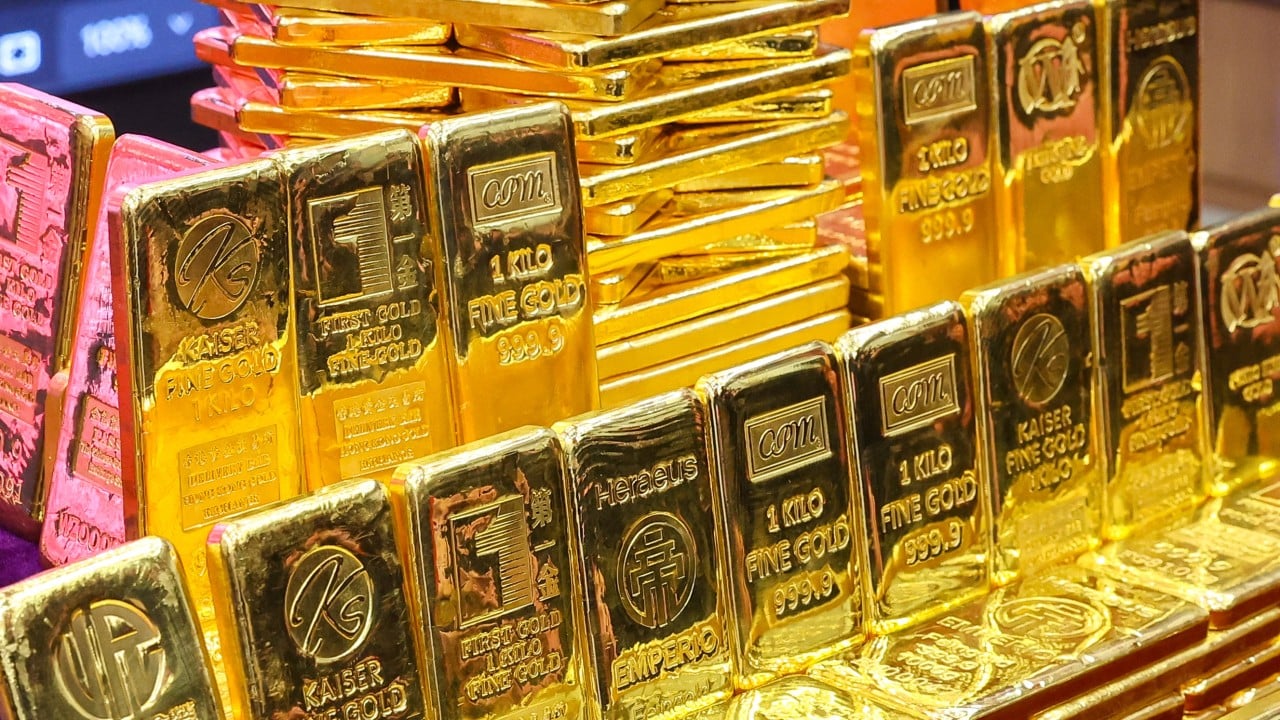
Poland, China lead renewed central bank gold buying
Central banks globally resumed their gold purchasing in April, adding a net 17 tonnes to their reserves after being net sellers in March. This renewed interest in gold is notably led by Poland and China, indicating a strategic shift in asset allocation among major economies. The trend suggests a continued diversification away from traditional reserve assets, potentially reflecting concerns over global economic stability or geopolitical shifts. This move by central banks, particularly from significant Asian players like China, highlights a broader financial strategy impacting international markets. The sustained demand for gold from these nations could influence commodity prices and global financial stability in the coming months.
The renewed central bank gold buying, particularly by China, holds significant implications for Asia's tech ecosystem and market dynamics. As central banks diversify their reserves with gold, it signals a potential hedge against global economic uncertainties, including inflation and currency fluctuations. For Asian tech companies and startups, this broader macroeconomic trend can influence investor sentiment and capital availability. A more volatile global financial landscape, as suggested by increased gold purchases, might lead to more cautious investment in high-growth, high-risk sectors like tech, or conversely, drive investors towards perceived safe havens, impacting funding rounds and IPOs.
Furthermore, China's leading role in this gold accumulation underscores its strategic efforts to reduce reliance on the US dollar and strengthen its financial sovereignty. This long-term strategy could foster a more multipolar financial system, potentially encouraging greater intra-Asian trade and investment flows that bypass Western financial infrastructures. For Asian tech, this could mean increased opportunities within regional markets, driven by localized financial systems and potentially new digital payment rails that are less exposed to Western financial policy shifts. The underlying geopolitical motivations behind such reserve diversification will inevitably ripple through economic policy, affecting everything from trade agreements to technology transfer regulations across the continent.
Related reading
6 stories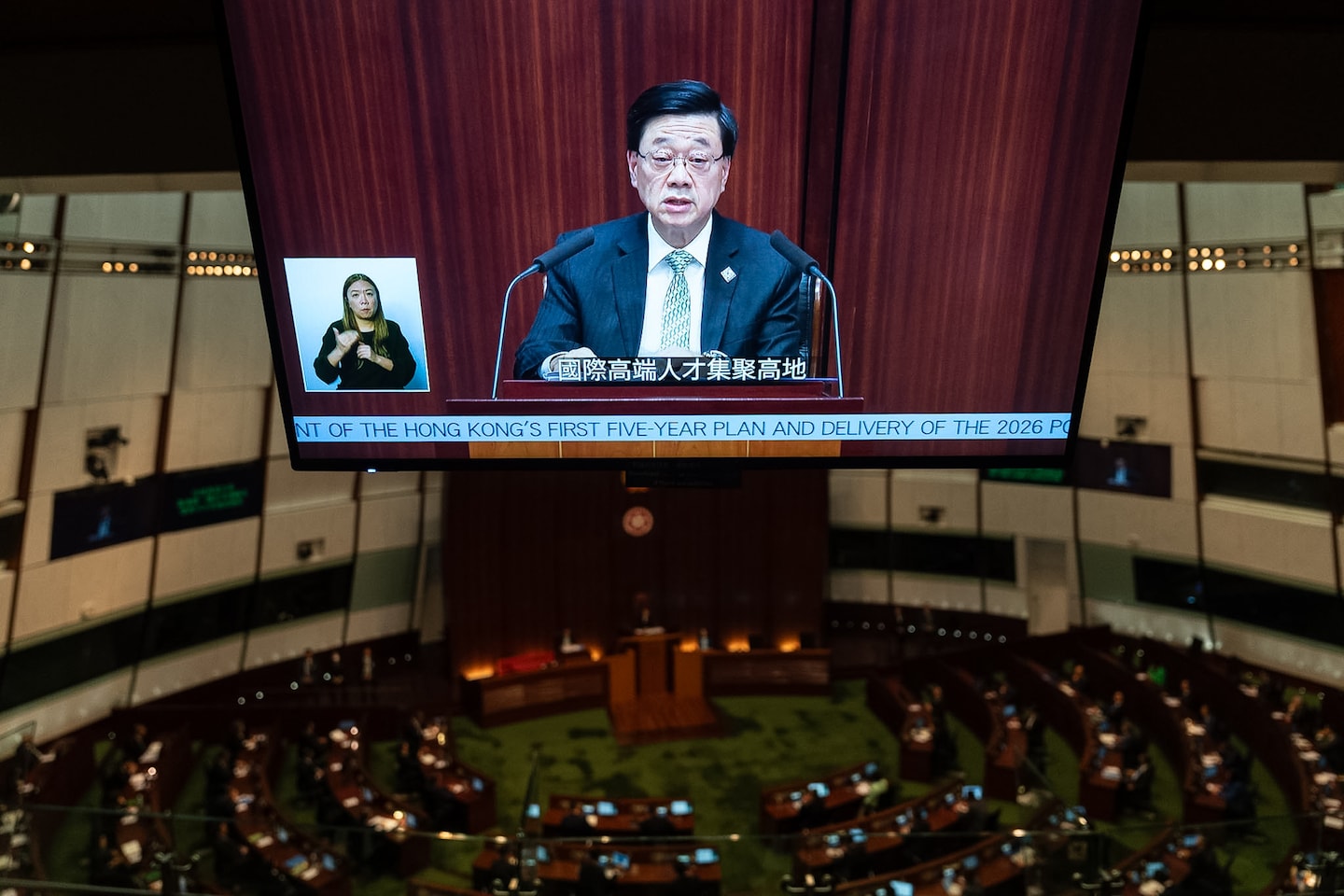
Hong Kong's first five-year plan bets on AI skills: from kindergartens to the workforce

SEON Expands Fraud Checks as AI Makes Fake Identities Easier to Create

CATL tightens supplier scrutiny in push for carbon-neutral EV batteries
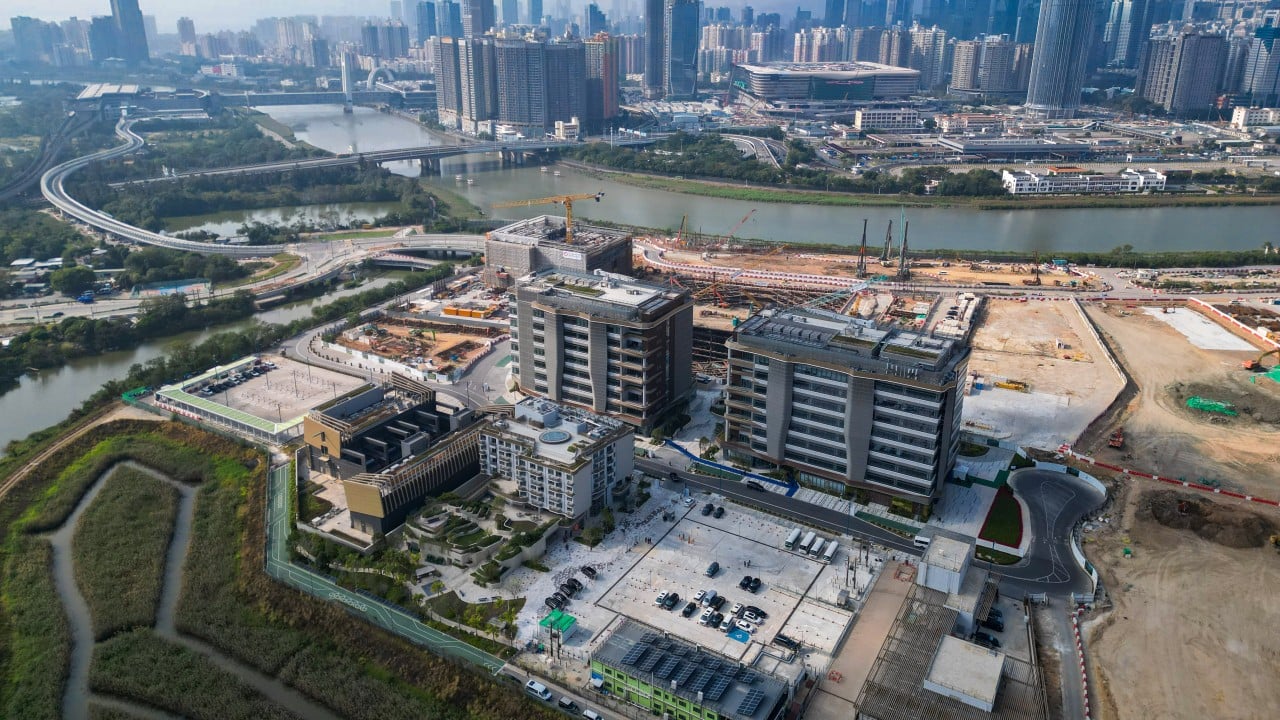
Hong Kong aims to raise innovation spending to 3% of GDP by about 2030
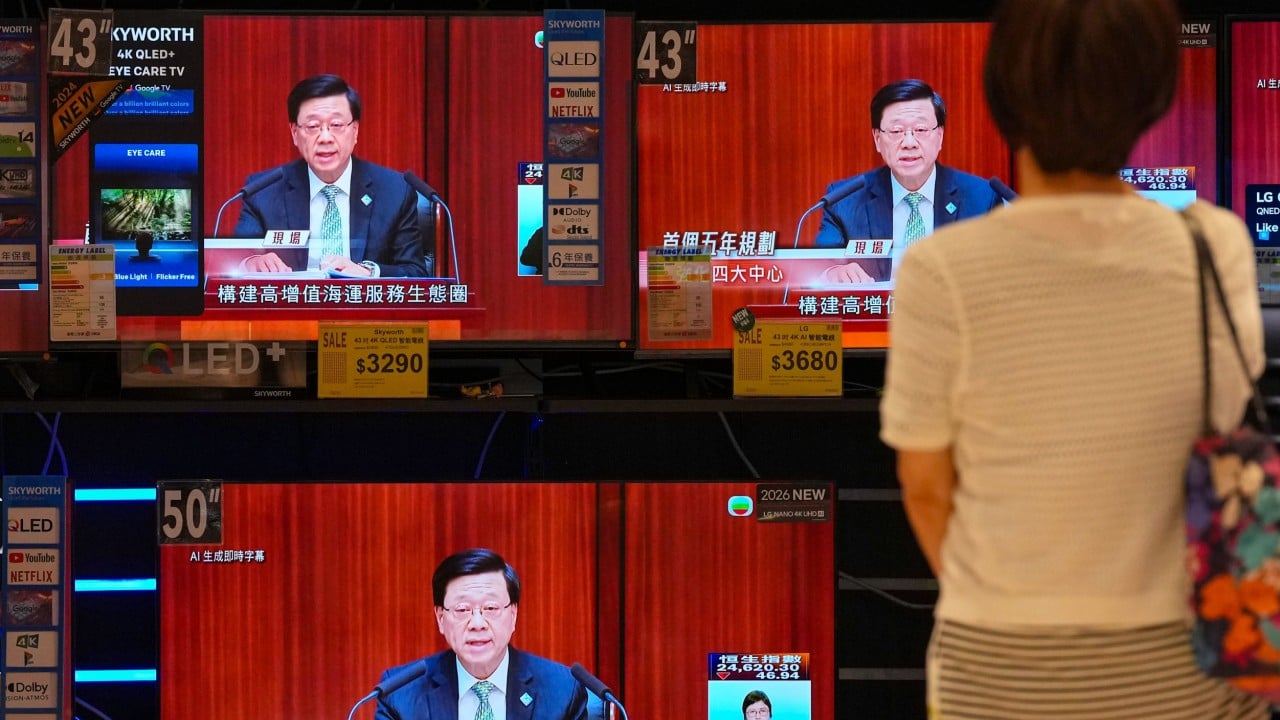
Hong Kong sets 5-year plan to double innovation spending, boost new industries