CATL tightens supplier scrutiny in push for carbon-neutral EV batteries
CATL is tightening scrutiny on its suppliers to achieve carbon-neutral EV batteries, requiring carbon footprint data from bidders starting next year. The Chinese battery giant aims for net-zero emissions in core operations by 2025 and across its entire supply chain by 2035. This initiative includes metrics like renewable energy usage in annual supplier evaluations. CATL, which holds 40% of the global EV battery market, plans to standardize carbon emission calculations across the battery lifecycle.
CATL's new supplier carbon data requirement serves more than its 2035 net-zero target. It is a direct response to rising European regulatory pressure. The EU is mandating carbon emission disclosure for EV batteries, making CATL's proactive stance a competitive necessity for its overseas expansion. This move reflects chairman Robin Zeng's view that non-carbon-neutral batteries will become obsolete.
This policy will ripple through Asia's battery supply chain, affecting CATL's more than 1,000 suppliers. Companies in South Korea and Japan, which also supply battery materials, will face similar demands to provide detailed carbon data. Preferential treatment for high-scoring suppliers means a clear incentive for Asian material producers to accelerate their decarbonization efforts or risk losing business to compliant competitors.
The test for CATL is its ability to enforce these standards consistently across its vast supply chain. Hungary's recent rejection of CATL's operating permit, citing environmental concerns, shows the company faces real challenges in overseas expansion. The market will watch whether other European regulators adopt similar strict environmental review processes for battery factories.
Related reading
6 stories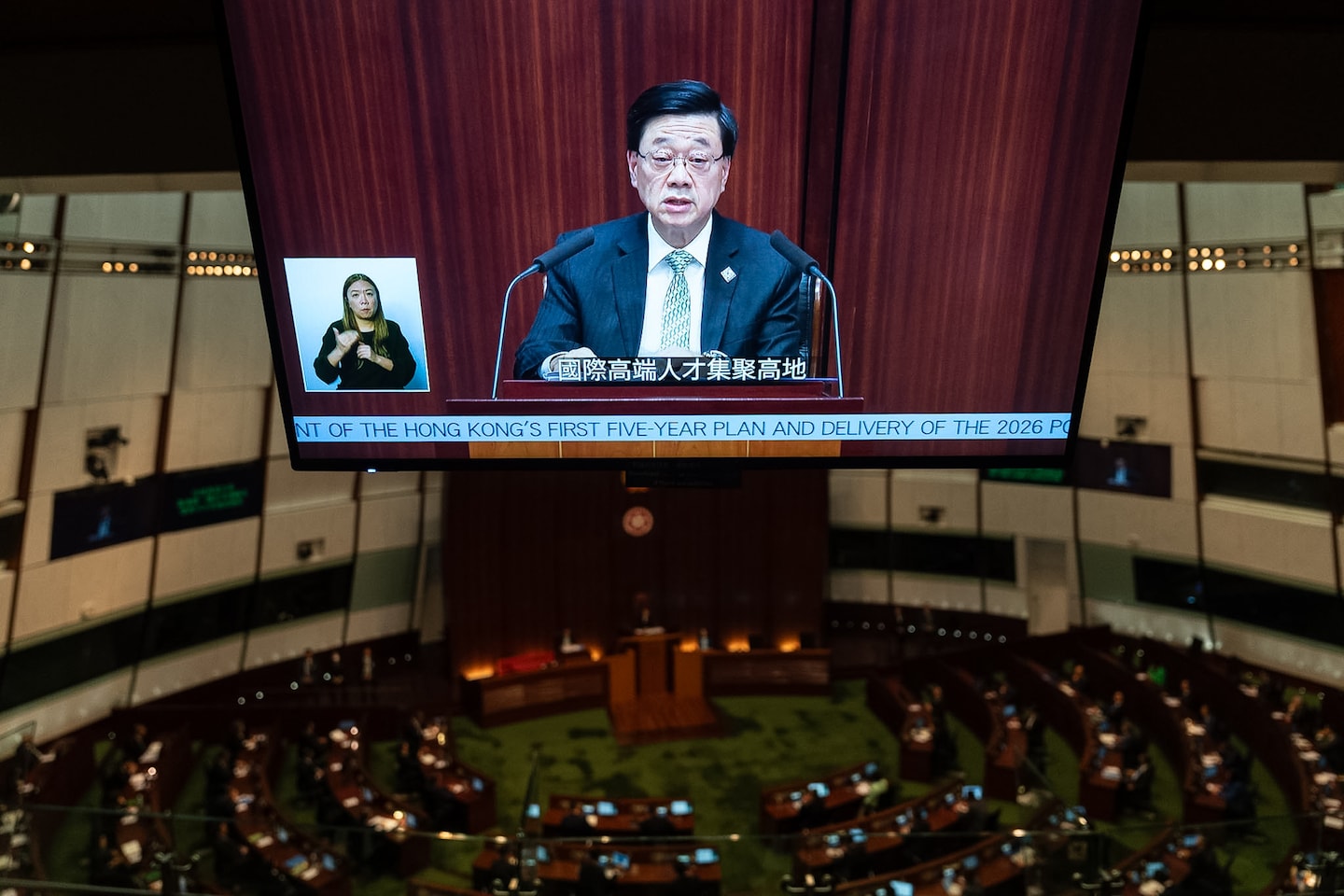
Hong Kong's first five-year plan bets on AI skills: from kindergartens to the workforce
Huawei unveils latest tech to boost AI power in push to break China’s Nvidia reliance

China’s rocket boom turns Hainan into a space hub. Can launches fuel wider growth?
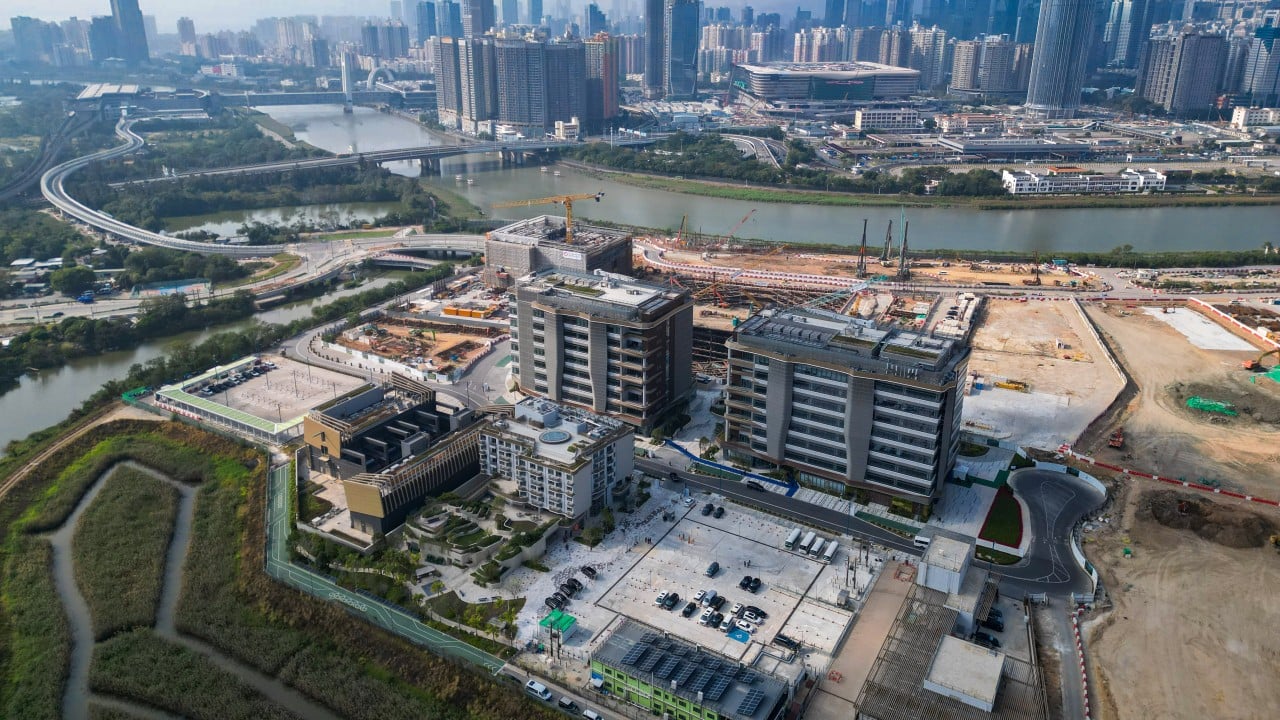
Hong Kong aims to raise innovation spending to 3% of GDP by about 2030
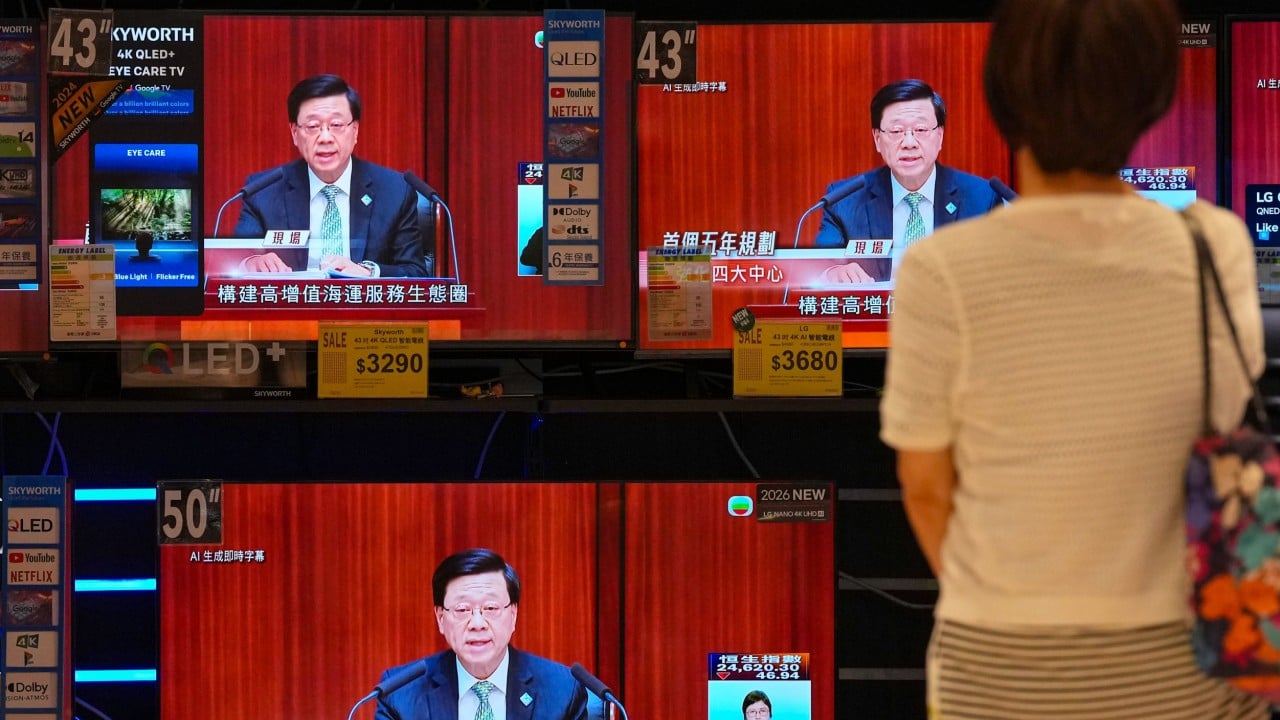
Hong Kong sets 5-year plan to double innovation spending, boost new industries