OpenAI Dots: What Always-On AI Agents Mean for the Future of Work
OpenAI has introduced "Dots," always-on AI agents designed to manage ongoing tasks across multiple applications and maintain context between interactions. Powered by GPT-6 Astra, these agents can operate through platforms like ChatGPT, Slack, and Microsoft Teams, aiming to shift AI assistance beyond single-prompt responses toward continuous workflow support.
OpenAI's introduction of Dots represents a conceptual shift in AI agent design, moving away from reactive, prompt-driven assistants. The core idea is to enable AI to pursue defined goals in the background, working across connected applications without constant user input. This persistent operation, supported by individual cloud computers and browsers for each Dot, allows for continuous task execution and context retention, making the agents function more like digital collaborators.
The utility of Dots appears to lie in automating multi-step professional workflows. Examples provided include developers monitoring feedback and creating fixes, product managers updating launch materials, and content teams transforming transcripts into various formats. This suggests a potential reallocation of human effort, where individuals could focus more on decision-making while agents handle repetitive coordination and preparatory work across diverse platforms like email, spreadsheets, and messaging services.
However, the increased autonomy of these agents also introduces considerations regarding oversight and potential errors. OpenAI acknowledges this by implementing Custom Rules, approval requirements, and activity monitoring, particularly for sensitive actions. The possibility of agents making mistakes, such as incorrect document changes or misdirected communications, and the risk of manipulation through malicious online content, highlight the need for careful configuration and user vigilance to manage the consequences of more independent AI actions.
Share this article
Related reading
6 stories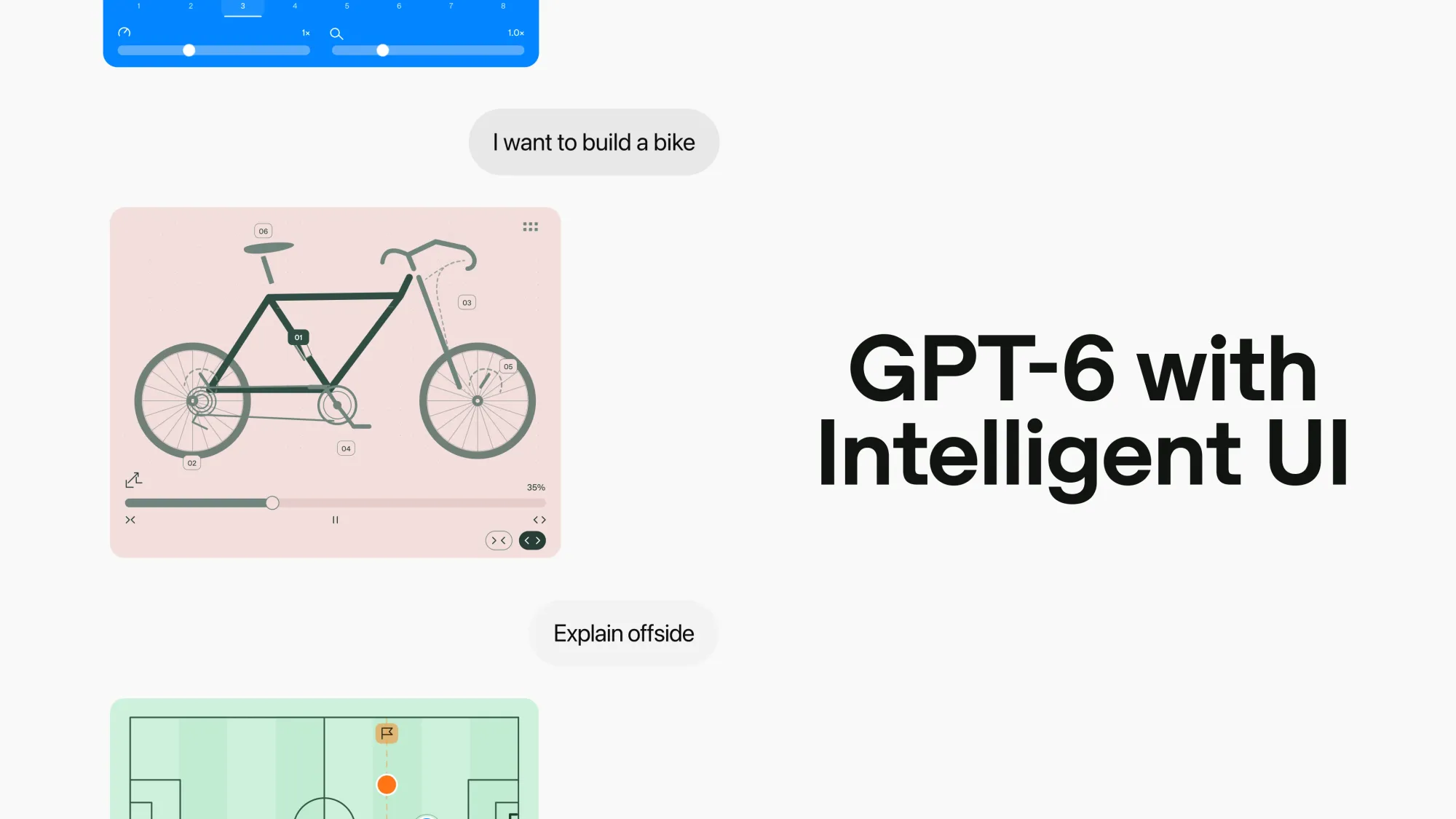
OpenAI rolls out GPT-6 with Intelligent UI in ChatGPT
OpenAI's latest move into always-on agents follows its recent GPT-6 rollout with an intelligent UI.

StanChart VCC Platform Tops US$2.6 Billion in AUM as It Adds Tenth Fund
China’s AI chipmaker Biren tumbles 12% as it seeks US$510 million in share placement

StanChart to Rebrand Global Business Services Hubs

US AI firm Anthropic enables Chinese-language options for Claude chatbot