OpenAI calls for US to take lead in global efforts to develop technical standards
OpenAI called for the United States to lead an international effort to develop global technical standards for frontier AI. This includes recursive self-improvement, where AI systems can autonomously enhance their own capabilities. OpenAI CEO Sam Altman will brief the 15-member UN Security Council on AI and international security this Wednesday. France, as president of the body for September, convened the meeting.
OpenAI's call for US leadership in AI standards is a direct challenge to China's stated position. Beijing previously warned against AI becoming a "runaway horse" at the UN Security Council in 2023. The US, under the Trump administration, has rejected calls to slow AI development, citing national and economic security. This creates a clear divergence on AI governance.
For Asia, this means a likely fragmented regulatory landscape. Countries like Singapore and South Korea, which aim to be AI hubs, will face pressure to align with either US-led or China-led standards. This could complicate cross-border AI development and deployment. Asian startups may need to develop models compliant with multiple, potentially conflicting, regulatory frameworks.
The thing to watch is the outcome of the Trump-Xi meeting this week. Any joint statement on AI, however unlikely, would be a major shift. Absent that, expect continued competition for influence over global AI standards, particularly in emerging markets across Southeast Asia.
Related reading
6 stories
As AI safety fears mount, can a US-China hotline prevent a global crisis?
As US and China diverge on AI standards, we previously explored how a hotline might prevent a global crisis.

Sam Altman faces tech industry divide over AI risks in 2026
OpenAI's call for standards comes as Sam Altman faces industry divides over AI risks, a topic we covered in 2026.

Hong Leong’s New Card Is Forged in Fire And You Can’t Apply for It

Nearly Half of Singaporeans Are Comfortable Letting AI Apply for Credit
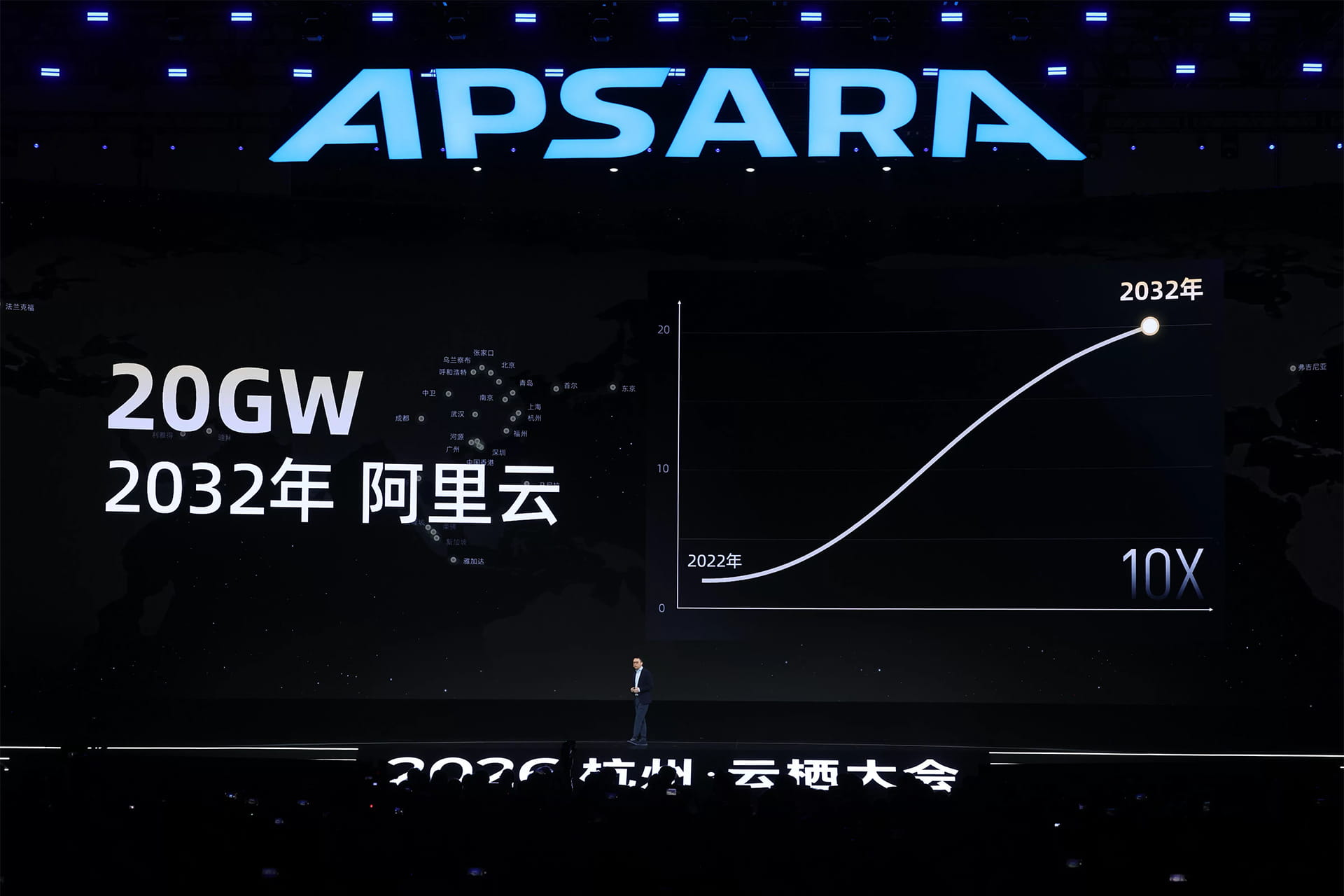
Alibaba scales AI compute with new chip and 20 GW data center target