As AI safety fears mount, can a US-China hotline prevent a global crisis?
The United States and China have agreed to establish an official AI dialogue, including a proposed threat-notification system. This follows high-level talks in New York on Sunday between US Treasury Secretary Scott Bessent, US Trade Representative Jamieson Greer, and Vice-Premier He Lifeng. American officials stated this new operational channel builds on earlier discussions held in Beijing. Analysts caution that structural policy and commercial divides still separate the two AI superpowers.
The US-China AI dialogue reflects a pragmatic step towards crisis prevention, but deep policy divisions remain. While US Treasury Secretary Scott Bessent called the talks successful, analysts point to persistent divisions over chip access, model distillation, and market dominance. A communication framework alone will not bridge these structural gaps.
For Asia, this means continued uncertainty for regional chipmakers and AI developers. Companies like TSMC in Taiwan face ongoing pressure as both superpowers vie for technological supremacy. The dialogue's limited scope suggests little immediate relief for export controls or market access restrictions, forcing Asian firms to navigate a bifurcated tech landscape.
The thing to watch is whether the proposed threat-notification system ever moves beyond rhetoric. Its effectiveness depends entirely on mutual trust, which is currently in short supply. Without concrete, verifiable actions to address chip supply and model development, the dialogue risks becoming a symbolic gesture rather than a genuine crisis prevention mechanism.
Related reading
6 stories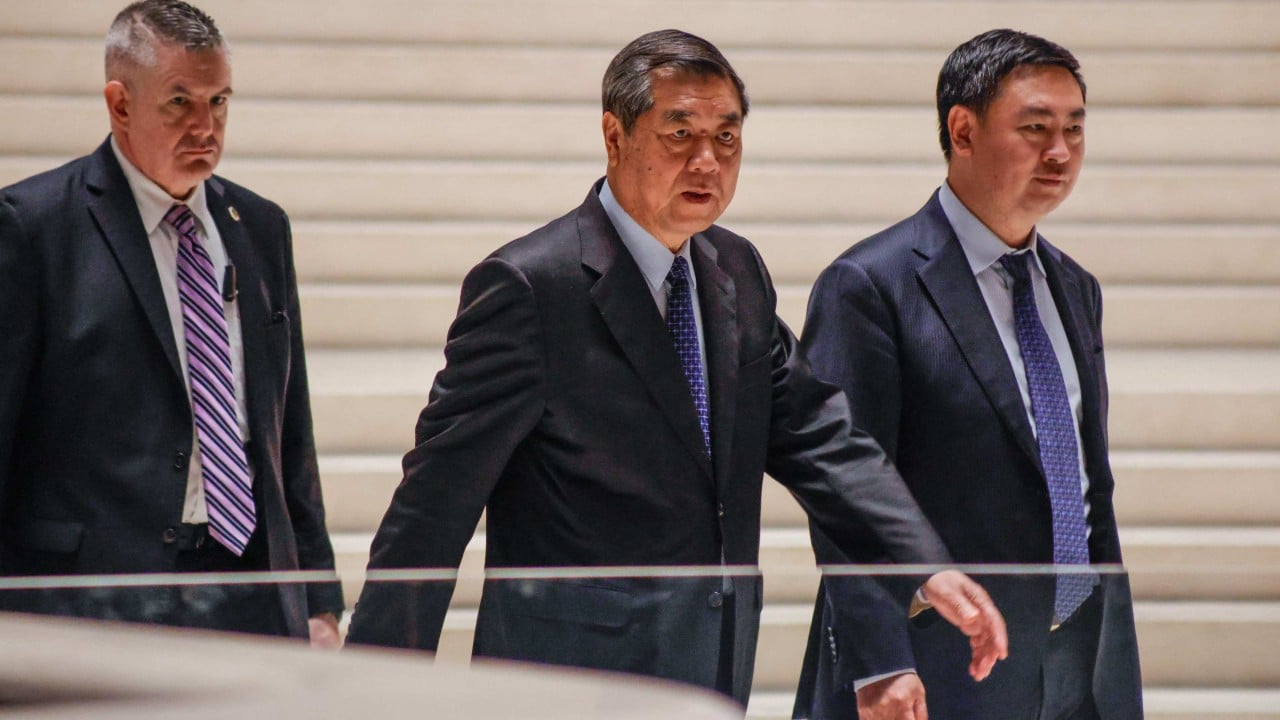
US, China agree AI dialogue ahead of Trump-Xi summit
We previously reported on the US and China agreeing to an AI dialogue ahead of a Trump-Xi summit.

Neither the US nor China can win the AI race alone, BofA analyst says
A BofA analyst previously argued that neither the US nor China can win the AI race alone.

Hong Leong’s New Card Is Forged in Fire And You Can’t Apply for It

Nearly Half of Singaporeans Are Comfortable Letting AI Apply for Credit
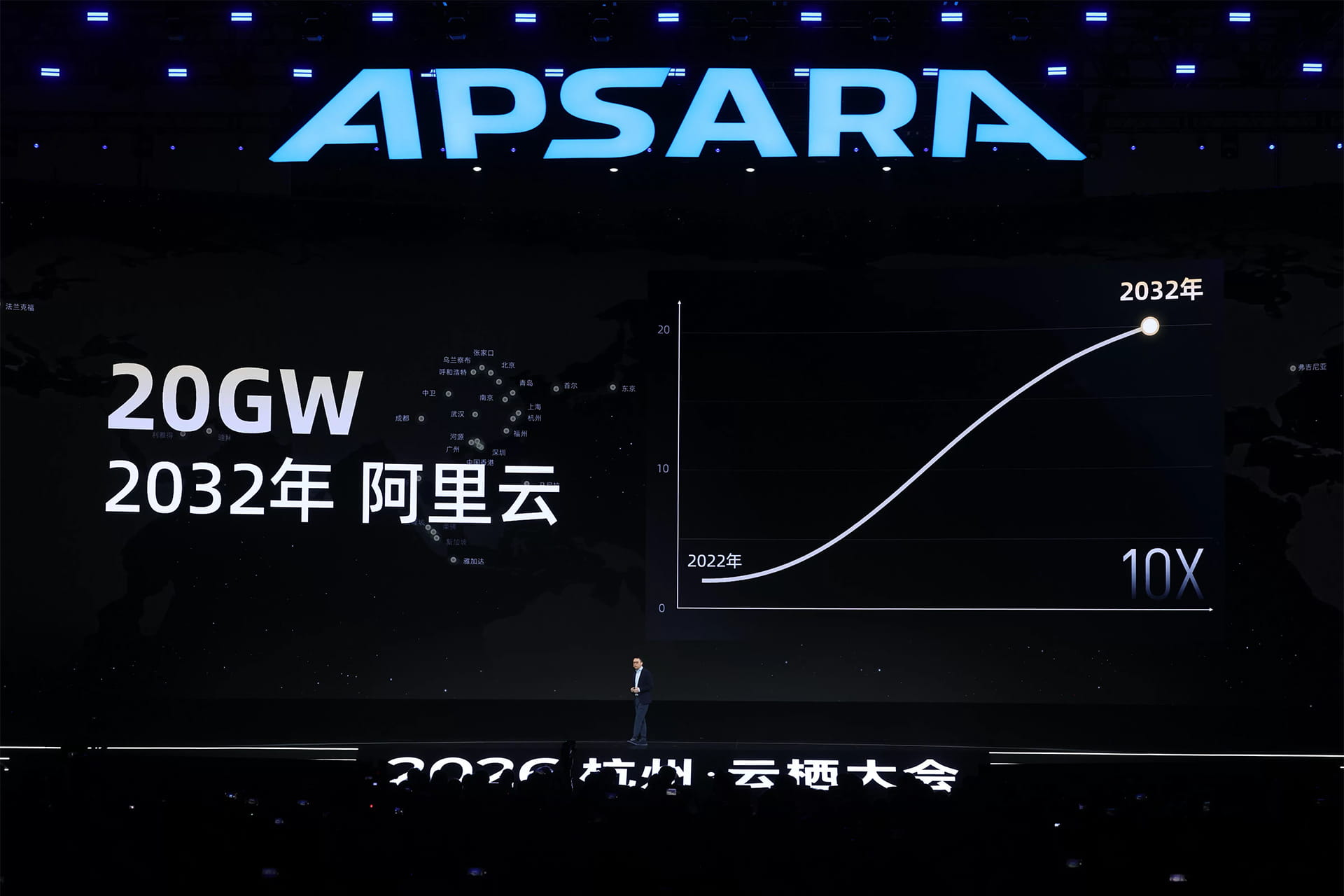
Alibaba scales AI compute with new chip and 20 GW data center target