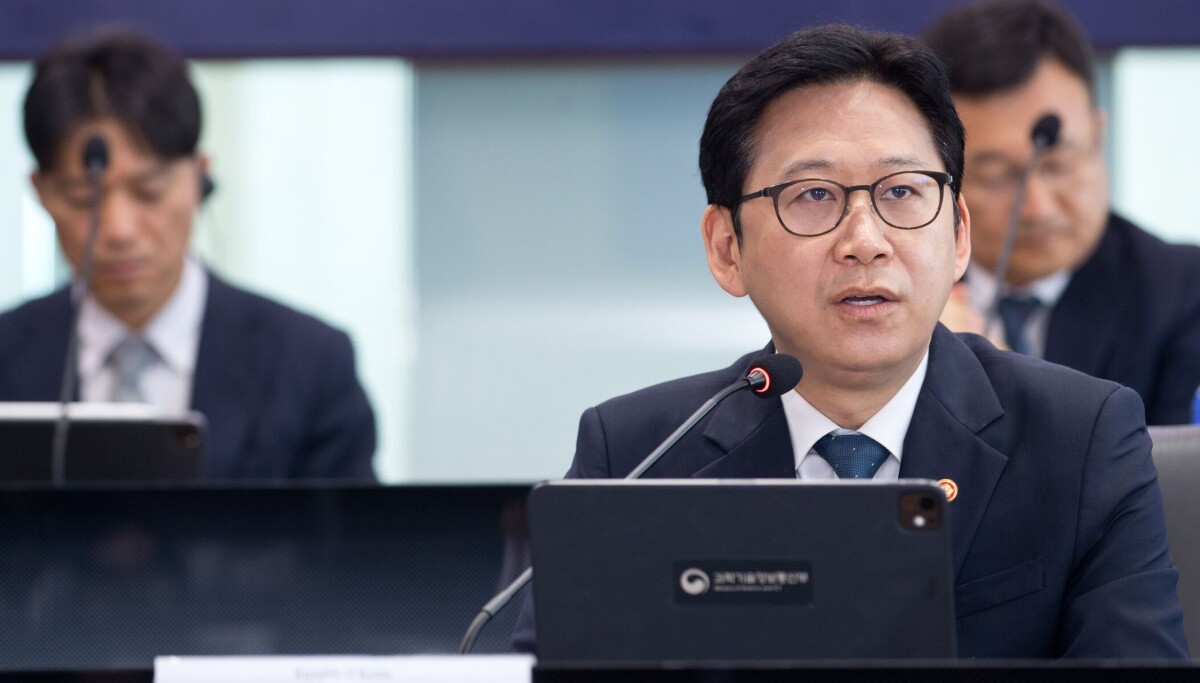
One vote can shape the future of local communities and politics
South Korea held its nationwide local elections on June 3, with voters selecting governors, mayors, county chiefs, district heads, and local council members for four-year terms. These elections also included contests for provincial and metropolitan education superintendents, who play a crucial role in shaping elementary, middle, and high school education policies. Local elections are considered as significant as presidential or parliamentary elections due to their direct impact on residents' daily lives, covering essential services like road maintenance, public transportation, welfare, and regional development. Voters faced the complex task of evaluating numerous candidates across multiple ballots, underscoring the importance of informed choices beyond party lines, especially given that some candidates with criminal records were elected unopposed. This election also serves as the first nationwide electoral test for the Lee Jae Myung administration, with results expected to influence national policy debates on issues such as real estate, taxation, and prosecutorial reform.
While primarily a political event, South Korea's local elections hold significant implications for the nation's tech ecosystem and broader economic development. Local governments are increasingly pivotal in fostering regional innovation hubs, attracting tech startups, and implementing smart city initiatives. The policies enacted by newly elected officials regarding infrastructure, education, and economic incentives can directly impact the growth trajectory of local tech industries, influencing everything from R&D investment to talent retention. The focus on education superintendents, for instance, could shape future curricula to better prepare students for a tech-driven workforce, a critical factor for South Korea's continued leadership in sectors like semiconductors and AI.
Furthermore, the election results, particularly their influence on national policy debates, could indirectly affect the regulatory environment for technology companies and startups. Discussions around real estate, taxation, and prosecutorial reform could either create a more favorable or challenging landscape for business operations, investment, and market expansion. For instance, changes in tax policy could impact startup funding, while regulatory shifts could affect data governance or AI ethics frameworks. The political stability and policy direction emerging from these elections are therefore closely watched by both domestic and international tech investors and companies operating or looking to enter the South Korean market.
Related reading
6 stories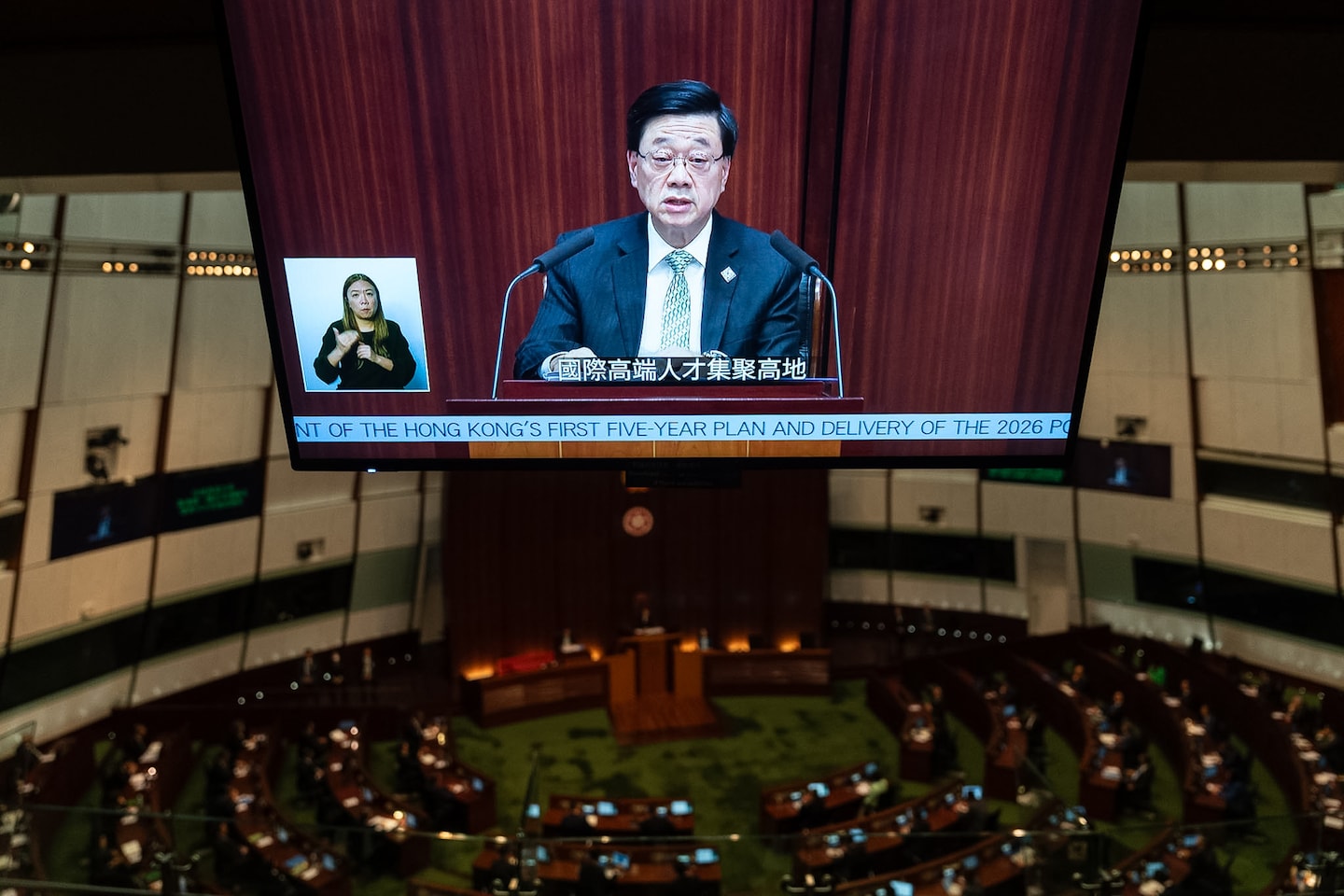
Hong Kong’s 5-year plan, policy continuity offer investor stability, experts say

SK Hynix reportedly in talks with Intel to build memory chips in US
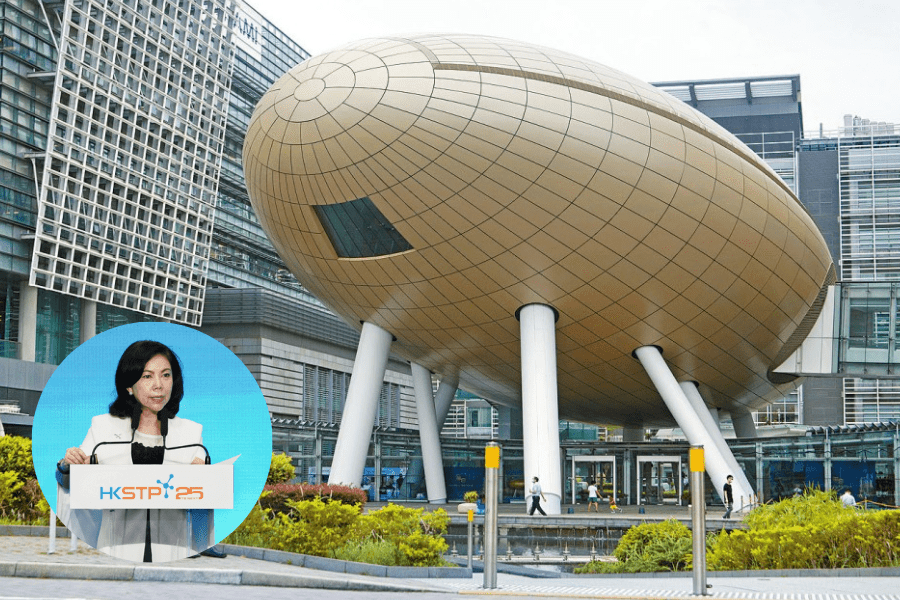
HKSTP pledges full support for Five-Year Plan and Policy Address to steer I&T growth

NWD fully supports govt's PA and Five-year Plan with confidence in Northern Metropolis

Delhi HC Asks Centre If It Plans Policy To Regulate ‘Addictive’ Social Media Features