Nvidia gets China boost, Iran ceasefire breaks, GDP release
China has reportedly eased its unofficial boycott of higher-end Nvidia processors, a move aimed at balancing concerns over chip shortages impacting local artificial intelligence developers with the risk of over-reliance on US technology. This development suggests a strategic shift as Chinese tech giants seek access to advanced hardware crucial for AI innovation. Alibaba, ByteDance, and AI startup DeepSeek are among the select businesses now eligible to purchase Nvidia’s H200 chips, which are the company’s second-best AI processors. This decision highlights China’s pragmatic approach to supporting its domestic AI industry while navigating geopolitical tensions.
This development signals a significant recalibration in China’s approach to semiconductor policy, reflecting a pragmatic balance between national tech self-sufficiency and the immediate needs of its burgeoning AI sector. The decision to allow key players like Alibaba and ByteDance access to advanced Nvidia chips underscores the critical role of high-performance hardware in driving AI innovation. For Asia’s tech ecosystem, this move could accelerate the development of AI applications and services within China, potentially narrowing the gap with global leaders in certain AI domains despite ongoing US export restrictions.
From a market dynamics perspective, this easing could provide a temporary boost to Nvidia’s sales in China, a crucial market, while also intensifying competition among Chinese AI developers who now have access to more powerful tools. It also highlights the persistent tension between geopolitical objectives and economic realities in the global tech landscape. The strategic implications for regional tech trends include a potential surge in AI research and development within China, possibly leading to new breakthroughs and applications that could ripple across the broader Asian market, influencing investment and partnership strategies.
Related reading
3 stories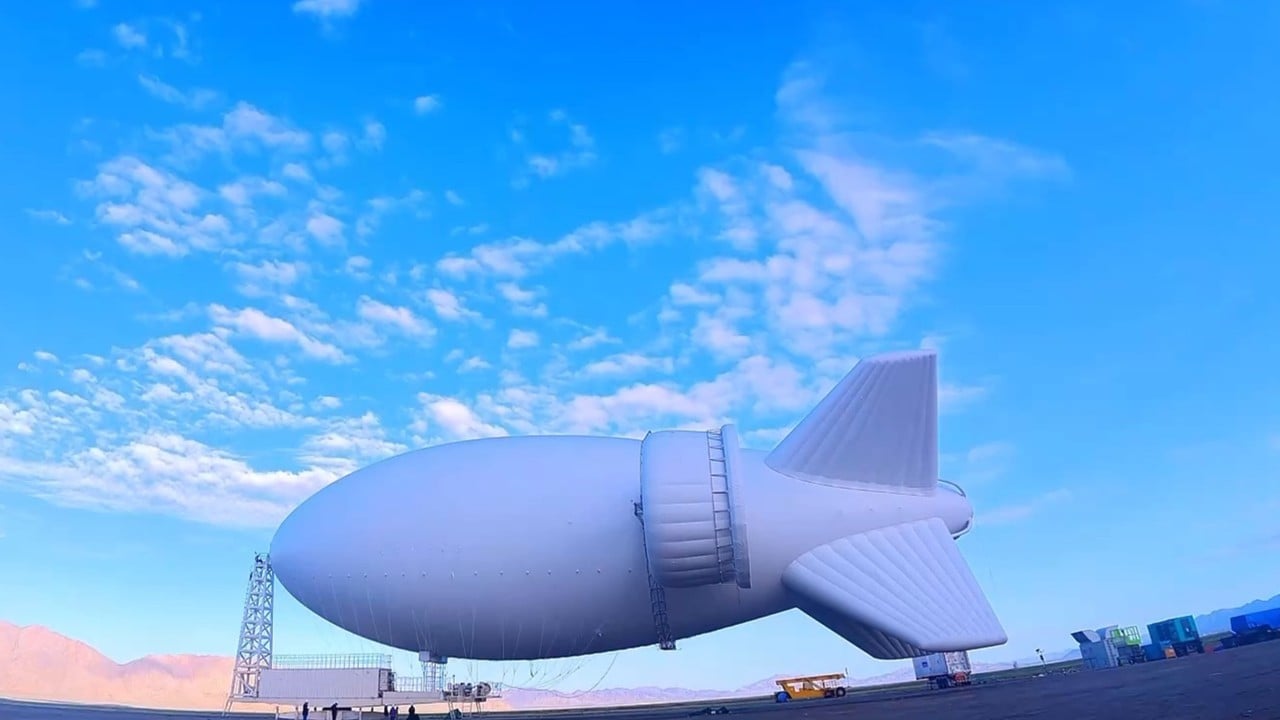
China taps high-altitude winds for power generation by flying craft to 4,000m
Why is Xiaomi doubling down on in-house chips amid a profit slump?