North Bengal Tour Operators Apprehend Sikkim Govt's AI-Based Online Permit System May Hit Region's Tourism
Tour operators in North Bengal are expressing concern over the Sikkim government's new AI-based online permit system, fearing it could negatively impact tourism in their region. The Sikkim government is implementing this AI-powered system to enhance tourist safety and streamline the permit process. However, operators in neighboring areas worry that the digital shift might divert tourist traffic or create new logistical challenges for their businesses, which often serve as gateways to Sikkim. This move highlights a growing trend of governments leveraging AI for administrative functions, even as it sometimes creates friction with established regional economies. The long-term impact on cross-border tourism dynamics between North Bengal and Sikkim remains to be seen.
Sikkim's adoption of an AI-powered online permit system for tourists represents a significant step in digital governance within India's northeastern region. This initiative aligns with broader trends across Asia where governments are increasingly deploying AI to improve efficiency, security, and service delivery in public administration. For the tech ecosystem, it signals a growing market for AI solutions tailored to specific governmental needs, from tourism management to public safety. The system's success could encourage other states or regions to explore similar AI integrations, fostering innovation in government technology (govtech) startups.
However, the apprehension from North Bengal tour operators underscores a critical challenge in AI adoption: its potential to disrupt existing economic structures and regional interdependencies. While the primary goal is enhanced safety and efficiency, the digital shift could inadvertently create barriers for traditional businesses reliant on older, more manual processes. This tension highlights the need for inclusive policy-making that considers the socio-economic impact on adjacent regions and stakeholders, potentially through collaborative digital infrastructure or transitional support programs. The incident serves as a case study for how technological advancements, even when well-intentioned, require careful management to mitigate unintended consequences across interconnected regional economies.
Related reading
6 stories
When AI meets grief in India!
We previously explored the human side of AI's growing presence in India, a relevant context for this story.
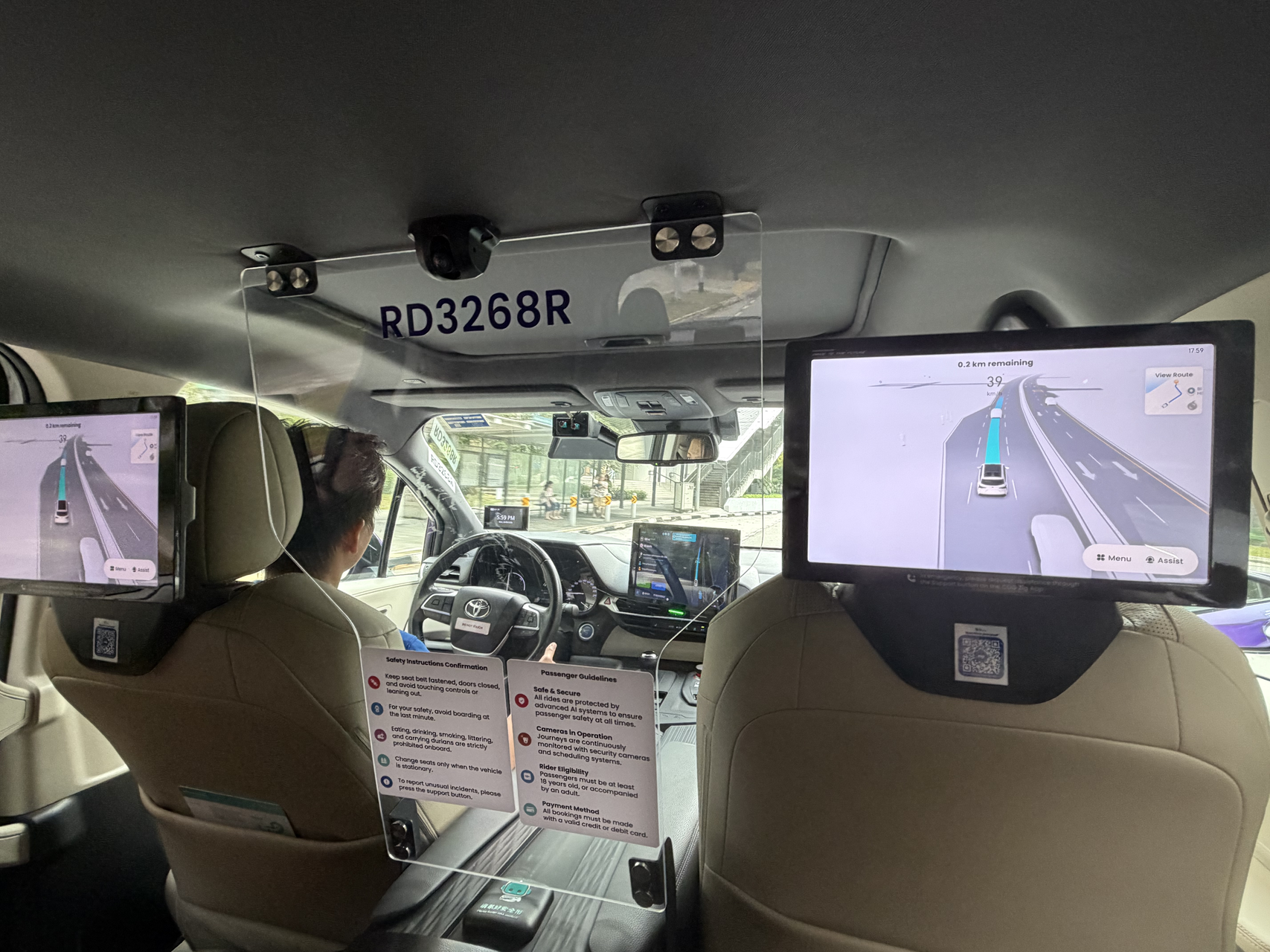
If driverless cars already work, why aren’t they everywhere?

Sumsub Launches Workforce Verification as Deepfake Risks Grow

ByteDance’s AI-enhanced short-drama app eclipses China’s Netflix rivals combined

Timo Joins Top 10 Banks in Vietnam by Customer Satisfaction