NavIC 2.0 Moves Ahead as NVS-03 Becomes Launch-Ready and Two More Satellites Near Completion
India’s second-generation NavIC satellite program is progressing, with NVS-03 ready for launch. Two additional satellites, NVS-04 and NVS-05, are in advanced manufacturing stages. These three spacecraft are part of a five-satellite series designed to restore and enhance India’s indigenous navigation capabilities. The current constellation operates with a reduced number of satellites, impacting standalone positioning services.
India's NavIC system currently cannot provide standalone positioning, relying on only three operational satellites: IRNSS-1B, IRNSS-1I, and NVS-01. The launch of NVS-03, followed by NVS-04 and NVS-05, aims to restore the minimum four satellites needed for basic independent service. This is a critical step for India's sovereign navigation. The armed forces currently use NavIC alongside other global systems. The government views this multi-constellation approach as a stopgap measure.
The addition of the L1 navigation signal in the NVS series makes NavIC more accessible for mass-market devices. This supports integration into smartphones, automotive systems, and IoT platforms, a clear win for companies like Qualcomm. It broadens NavIC's reach beyond specialized applications, pushing it into consumer electronics across Asia.
The real test for NavIC will be consistent operational reliability. Watch for the successful deployment and sustained service of NVS-03, NVS-04, and NVS-05. This will confirm India's ability to maintain a robust, independent satellite navigation system.
Share this article
Related reading
6 stories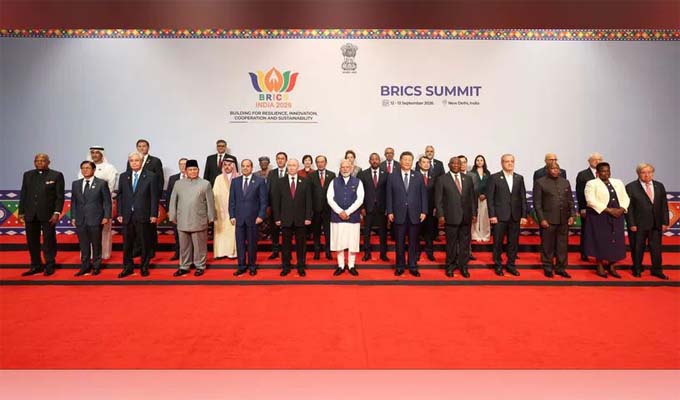
Modi draws red lines on tech, critical minerals as BRICS shapes a more resilient global order
India's strategic tech moves, like NavIC, are part of a larger push for a resilient global order.

PM Wong Warns AI Could Break ‘Bottom Rung’ of Career Ladder

MAS Tightens Safeguards on Roadshows Selling Financial Products

Anthropic Bans "Sustained And Needless" Cruelty Toward Claude In New Usage Policy
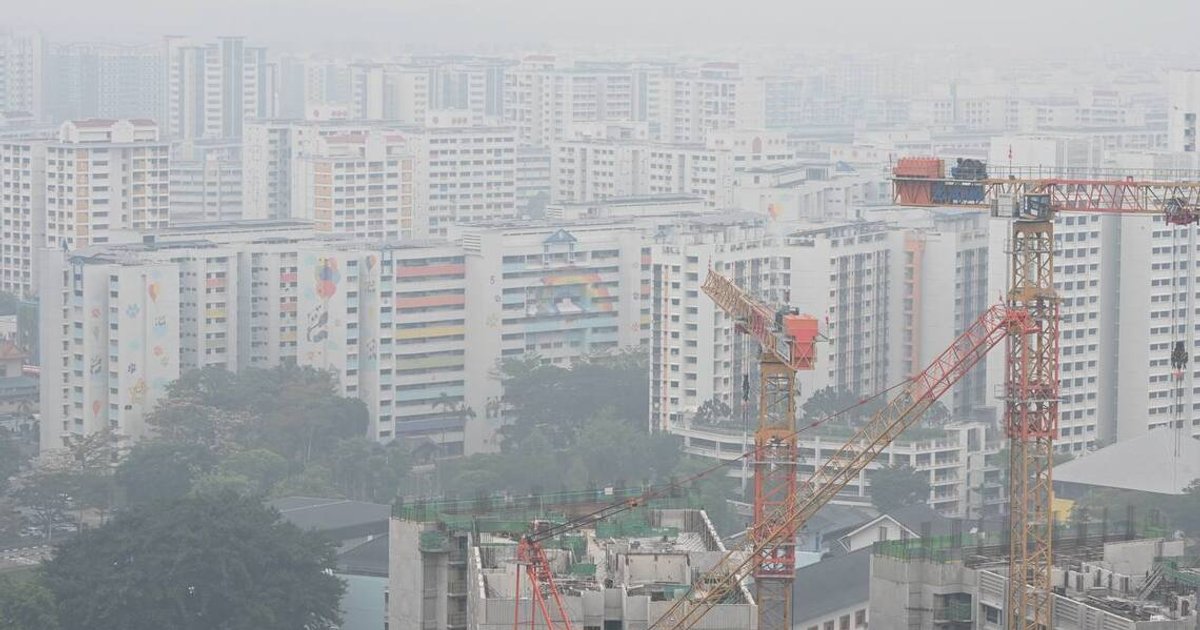
Haze in Singapore persists; 24-hour PSI remains unhealthy for all regions