Mapping artificial intelligence resistance
Public attitudes toward artificial intelligence vary significantly across regions, with Asian nations generally showing higher optimism. According to Ipsos’ 2026 AI Monitor, 85 percent of respondents in China, 80 percent in India, and 77 percent in Indonesia believe AI offers more benefits than drawbacks, a stark contrast to just 38 percent in the US.
The Ipsos data reveals a clear divergence in AI perception: countries like China, India, and Indonesia exhibit strong optimism, with a large majority viewing AI positively. This contrasts sharply with Western nations such as the US, Britain, France, and the Netherlands, where a much smaller proportion shares this view. This is not a simple East-West divide, however, as only half of Japanese respondents see more benefits than drawbacks.
This optimism in Asian regions does not appear to stem from a lack of awareness regarding AI's potential risks. The Expert Survey on Progress in AI, published in September, indicates that researchers educated in Asia actually assign higher probabilities to severe outcomes, including human extinction or comparable loss of control, than their counterparts educated in North America or Europe. This suggests that a willingness to embrace AI coexists with a clear understanding of its inherent dangers.
Economic factors also play a role, but not in a straightforward manner. While better-educated, high-income Americans show more enthusiasm for AI, a cross-country comparison reveals that several middle-income societies are among the most optimistic, while wealthier nations like the US, Germany, and Canada remain warier. The most plausible explanation offered is that AI means different things depending on a society's existing resources; in affluent economies, AI often competes with established, expensive human expertise, whereas in other contexts, it provides capabilities that were previously unavailable.
Share this article
Related reading
6 stories
DBS Names Anthony Lim as Chairman From January 2027
Google Changes AI Access Rules for Schools Ahead of 2027
Researchers Uncover Prompt Adware Hidden in OpenAI Codex Jailbreak Toolkit

Redditor uses AI to get Switch games running natively on Apple TV
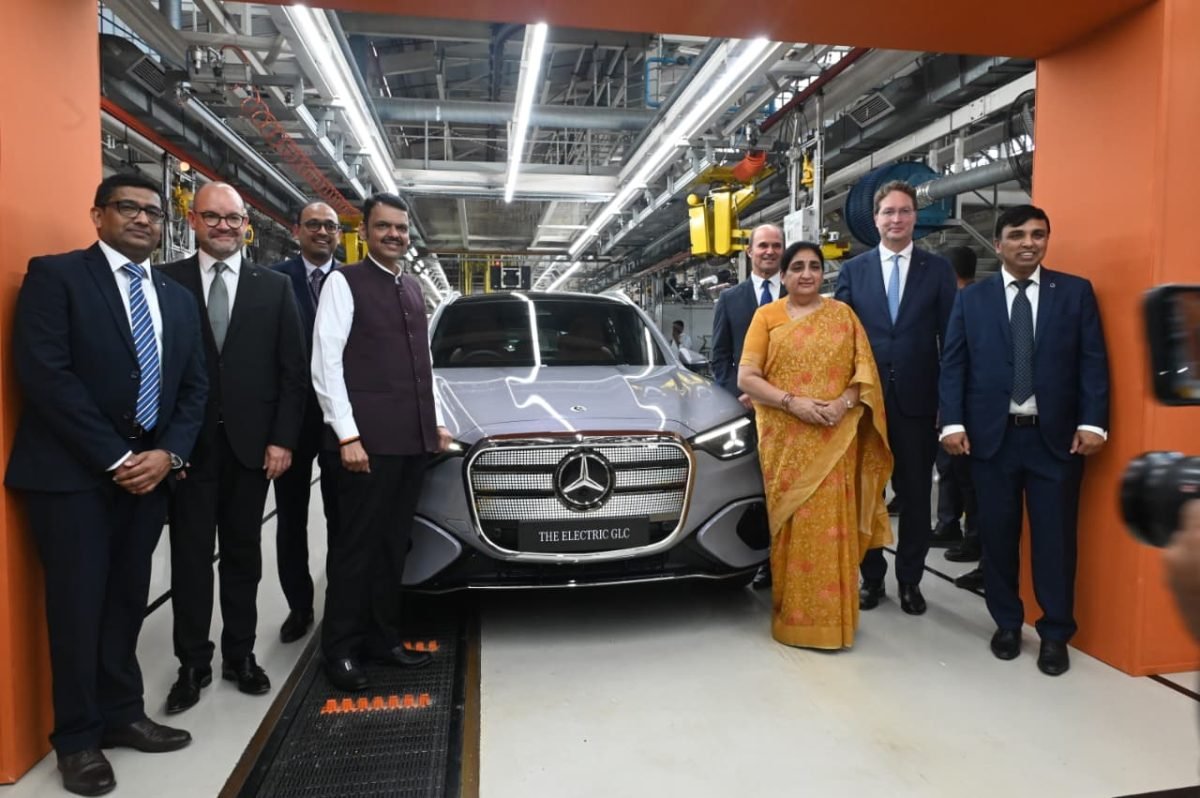
Devendra Fadnavis Envisions Maharashtra as a Global Hub for Electric Vehicles and Future Mobility