
Korea's Industrial Policy Lost in the Glare of Mega Projects
Joo Hyung-hwan, former Minister of Trade, Industry and Energy, argues that Korea's industrial policy needs to shift focus from clearing supply bottlenecks to creating early demand for emerging technologies. He advocates for government intervention in nascent markets, particularly for AI chips, humanoid robots, and self-driving cars. The current policy, which includes three "mega projects" and seven "SEED sectors," is seen as too focused on existing strengths or long-term goals, neglecting the critical 5 to 10 year horizon. He suggests the government use its 200 trillion won annual procurement budget to become a first buyer and reform regulations that currently hinder market formation for these advanced technologies. This strategic reorientation aims to foster new industries and ensure Korea's competitiveness against global leaders like the United States and China.
Korea's industrial policy, as critiqued by former Minister Joo Hyung-hwan, is missing a crucial middle ground. While the government has identified "mega projects" for immediate leadership and "SEED sectors" for 10 to 20 years out, there is insufficient support for AI chips, humanoid robots, and self-driving cars, which are expected to mature in the 5 to 10 year timeframe. This oversight means Korea risks falling behind in critical emerging technologies, despite its strong foundation in memory chips and other established industries. The core issue lies in market creation. Over 500 AI medical devices have regulatory approval, but fewer than 50 have national health insurance pricing, effectively blocking market entry. Similarly, self-driving cars face legal hurdles that prevent their widespread adoption outside pilot zones. The government's 200 trillion won annual procurement budget could be a powerful tool to stimulate early demand, but it is currently tilted towards established "mega projects." This suggests a need for a more agile and demand-side focused approach to industrial policy to cultivate new growth engines in Asia. For Korean companies, the advice is to specialize. The example of Samsung divesting its petrochemical and defense businesses in 2014, allowing Hanwha to grow into a top-five business group, underscores the value of concentration. The current "department store" approach, where companies spread across many sectors, may hinder the deep specialization needed to compete with focused global tech giants like Nvidia and Tesla, which have risen by dominating single industries since 1990.
Related reading
6 stories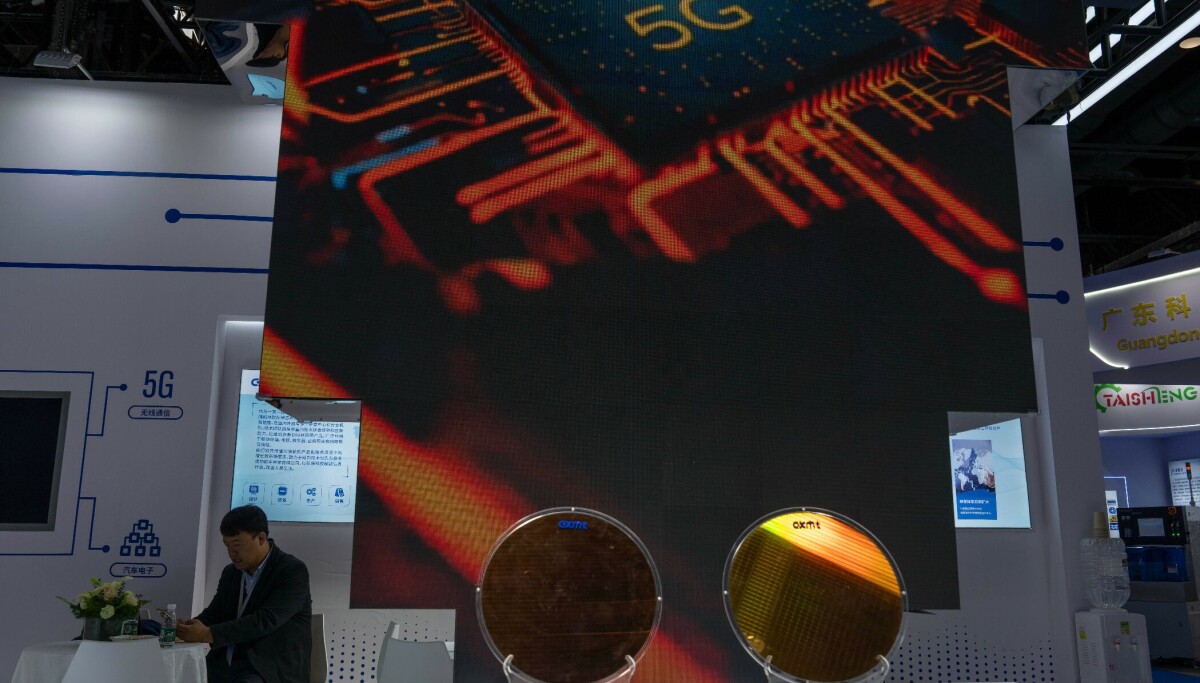
China’s semiconductor push narrows Korea’s memory chip lead
Korea's industrial policy challenges are underscored by China's narrowing lead in memory chips, a key sector.

NAVER to Deploy No-Code Robot Design Tool at Headquarters This Year
The push for humanoid robots, a 'middle ground' technology, is already seeing deployment by Korean tech giants.
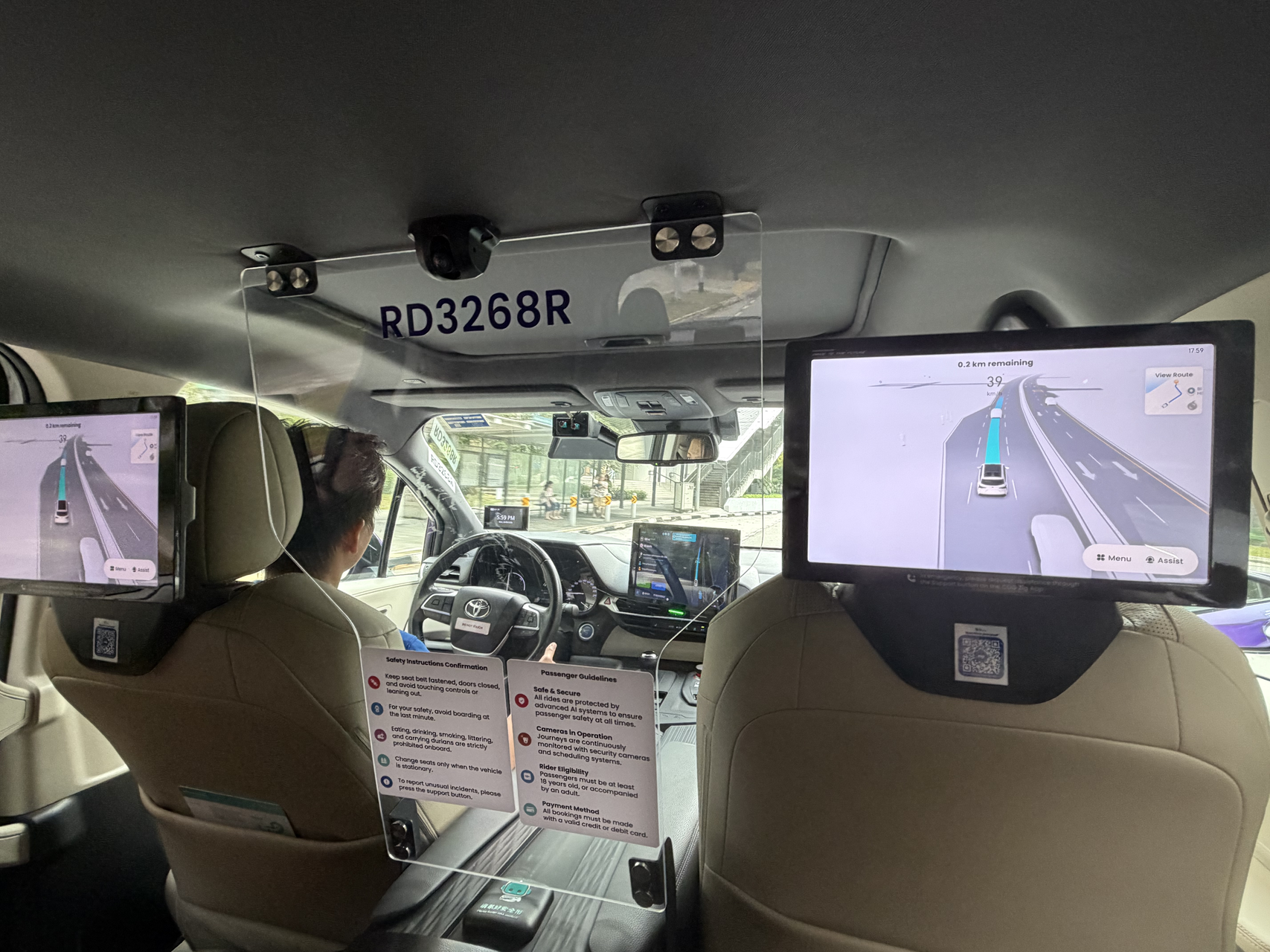
If driverless cars already work, why aren’t they everywhere?

Sumsub Launches Workforce Verification as Deepfake Risks Grow

ByteDance’s AI-enhanced short-drama app eclipses China’s Netflix rivals combined
