Judge strikes down Anthropic blacklist, says government retaliated over Pentagon criticism
A US federal judge has ruled that the Trump administration unlawfully blacklisted AI company Anthropic as a supply-chain risk. Judge Rita F. Lin found the government retaliated against Anthropic for criticizing the Pentagon's AI use plans, violating the company's First Amendment rights. The ruling mandates the government withdraw all guidance and communications that designated Anthropic as a risk. This decision follows Anthropic's lawsuit in March after talks with the Pentagon over military use of its AI models, including Claude, broke down. The company had sought limits on its technology for autonomous weapons and domestic surveillance, which the Pentagon rejected. The designation caused Anthropic hundreds of millions of dollars in canceled or delayed contracts, with rivals like OpenAI reportedly preparing to replace it in federal government roles.
The US court ruling against the Trump administration's blacklisting of Anthropic sets a precedent for how governments interact with AI developers, particularly regarding national security claims. Judge Lin’s finding that the government acted out of retaliation, rather than genuine threat, underscores the tension between military application and ethical AI development. This case highlights the challenges AI companies face when attempting to impose usage restrictions on powerful government entities, a dynamic that could influence how Asian AI firms approach partnerships with their own defense sectors. The decision also reflects the commercial impact of such designations. Anthropic reported hundreds of millions of dollars in lost contracts, with competitors like OpenAI ready to step in. For Asian AI startups, this illustrates the significant financial risks associated with government disputes, even when legal challenges ultimately succeed. The continued use of Anthropic’s models like Claude by the US military, even while the company was blacklisted, further complicates the narrative around national security risks. The situation points to the need for clear, pre-defined terms of engagement between AI developers and government agencies. Without such clarity, similar disputes could arise, potentially stifling innovation or creating unpredictable market conditions for AI companies in Asia seeking to work with public sector clients. The ruling emphasizes that government actions must be backed by evidence, not merely by a desire to silence criticism.
Share this article
Related reading
6 stories
Hong Kong to launch free AI courses with tech giants Google, Microsoft for SMEs
Hong Kong is actively promoting AI adoption, offering free courses to SMEs with tech giants Google and Microsoft.
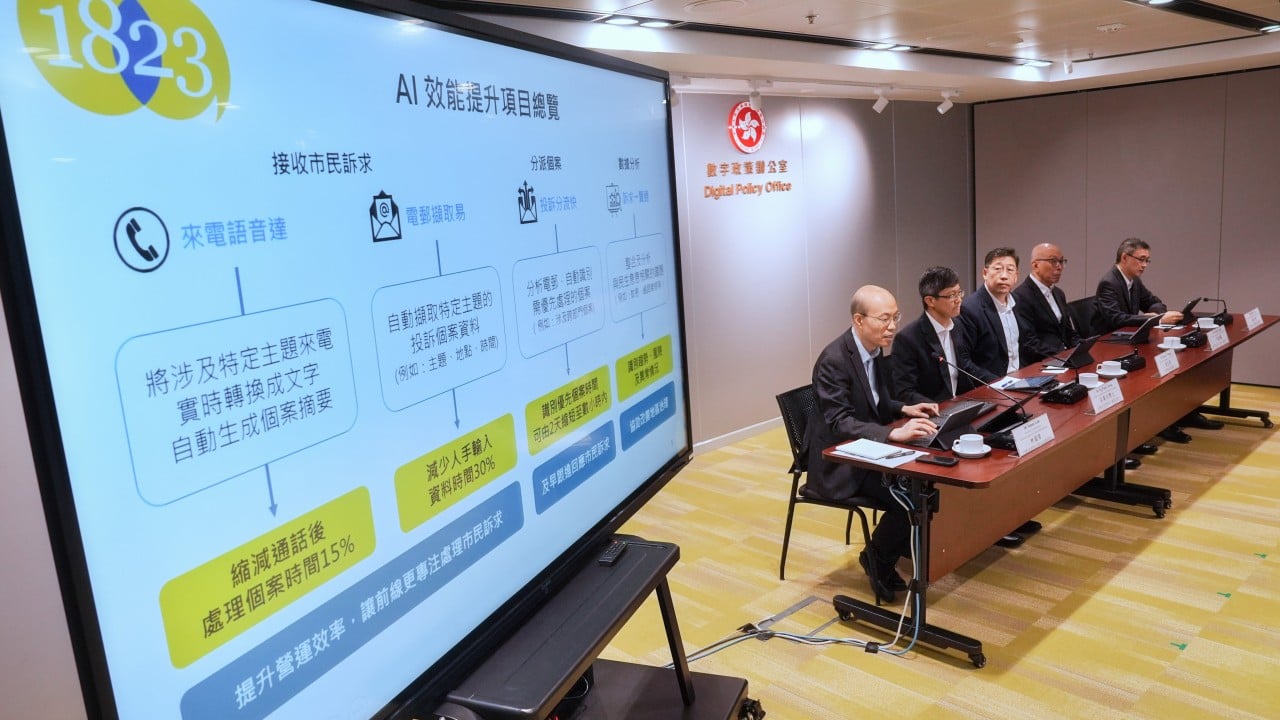
Hong Kong to expand AI use on 1823 platform to vet public inquiries by end of year
Hong Kong's government is expanding AI use in public services, reflecting a broader trend in government AI integration.

Firm behind planned Anthropic data centre in Nova Scotia denies owing fees to N.L. (Canada)

China Releases 1,519 AI Short Dramas a Day, Industry Data Shows

Singapore to Introduce IPO Guides for Retail Investors