
IMF Lays Out How Agentic AI Could Reshape Payments While Preserving Stability
The International Monetary Fund (IMF) has released a note detailing how agentic AI could transform payment systems while maintaining stability. This new generation of AI agents can reason, plan, and initiate transactions autonomously, moving beyond human-approved instructions. Technology giants and fintech startups are already piloting these systems, supported by emerging technical standards like the Universal Commerce Protocol (UCP) and Agent Payments Protocol (AP2). The IMF paper explores key design questions, architectural tensions, and potential risks, particularly concerning authorization, liquidity management, and compliance, as agentic AI shifts payments from human click-to-pay to agent decide-to-pay models. The core challenge lies in integrating probabilistic AI reasoning with the deterministic logic required for secure and auditable financial transactions.
The IMF's insights into agentic AI in payments are particularly relevant for Asia, a region at the forefront of digital payment innovation and AI adoption. Many Asian economies, with their high mobile penetration and rapid fintech growth, are prime testing grounds for these advanced payment systems. The architectural tensions highlighted by the IMF—between probabilistic AI and deterministic financial infrastructure—will necessitate careful regulatory and technological navigation in markets like Singapore, India, and China, where digital payment ecosystems are already highly sophisticated and interconnected.
This shift towards agent-mediated payments could significantly impact Asia's diverse financial landscape. For instance, it could accelerate financial inclusion by automating micro-transactions and optimizing cross-border remittances, a critical area for many Asian economies. However, it also demands robust frameworks for accountability, cybersecurity, and data privacy, especially given the varying regulatory maturities across the continent. The development of interoperable standards and trusted identity frameworks, as suggested by the IMF, will be crucial for ensuring seamless and secure integration of agentic AI into Asia's rapidly evolving payment infrastructure, potentially setting new global benchmarks for digital finance.
Related reading
6 stories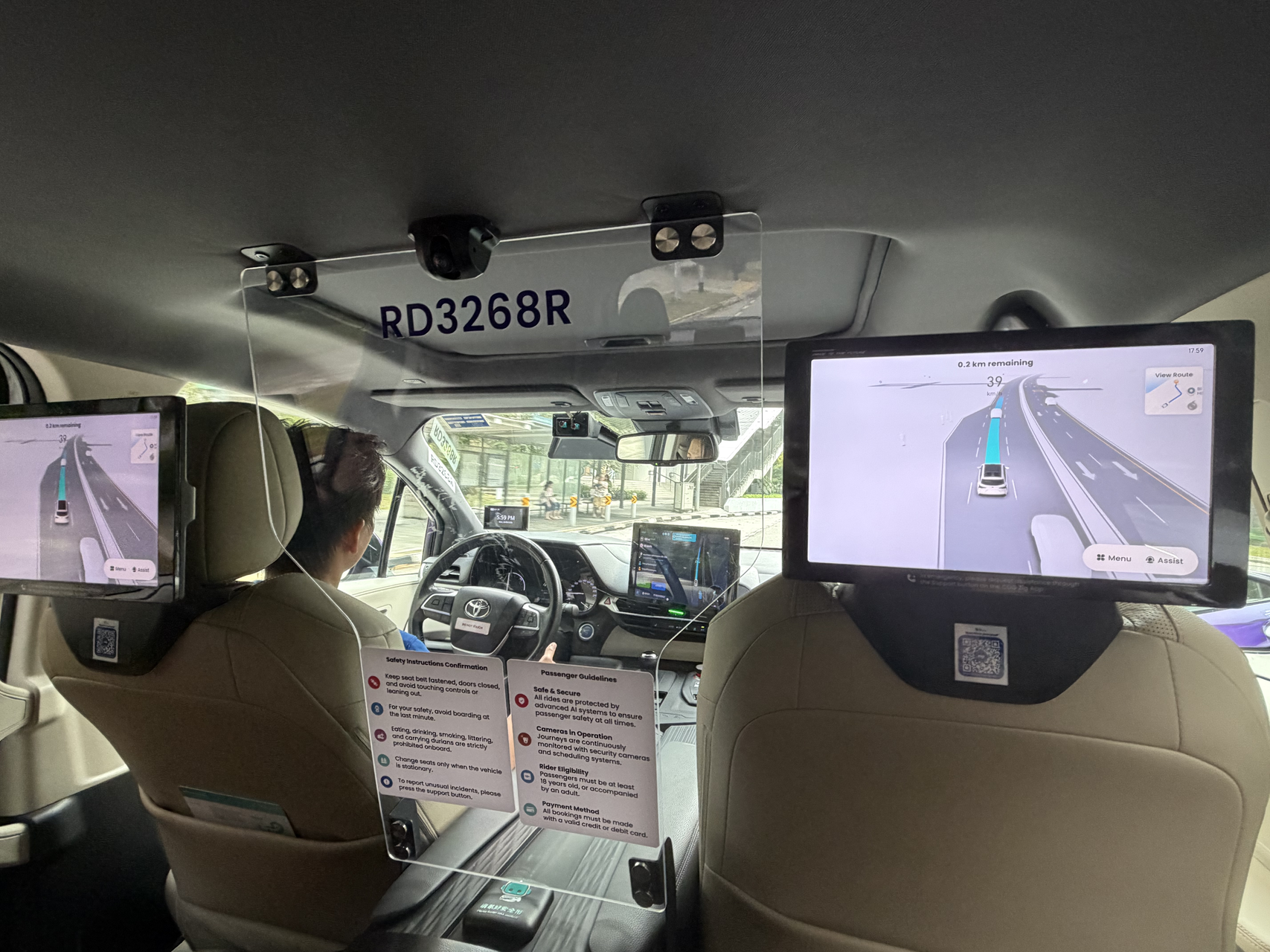
If driverless cars already work, why aren’t they everywhere?

Databricks to Invest Over US$350 Million in Singapore, Double Its Workforce

Sumsub Launches Workforce Verification as Deepfake Risks Grow

ByteDance’s AI-enhanced short-drama app eclipses China’s Netflix rivals combined

Personetics Launches AI Banking Console for Relationship Managers
