I paired a local LLM with Obsidian on mobile; it eliminated my daily note-sorting headaches
An Obsidian user developed a system to pair a local large language model (LLM) with their mobile note-taking vault, aiming to resolve issues with note organization and retrieval. The user integrated LocalRAG!, an application that indexes documents and runs an on-device LLM, to search and connect notes without cloud dependency. This setup allows for offline processing of Markdown files, providing numbered citations for relevant passages within the Obsidian vault. The LocalRAG! app offers a free plan with five daily questions, with paid tiers at $4.99 and $9.99 per month, or an option to use an Anthropic API key. This solution addresses the challenge of managing extensive personal knowledge bases on mobile devices.
The integration of local LLMs with personal knowledge management systems like Obsidian on mobile devices presents a practical solution for information retrieval challenges across Asia. Many professionals and researchers in the region rely on such systems for organizing vast amounts of data, and the ability to perform retrieval-augmented generation (RAG) on-device, without internet access, offers significant advantages for data privacy and accessibility. LocalRAG!, which requires a 3GB download for its on-device model, processes Markdown files directly on a smartphone, eliminating the need for a desktop server or cloud services. This approach is particularly relevant in markets with varying internet stability or strong data localization preferences. While the on-device model's performance is noted as small, its capability to link related notes and provide direct citations within Obsidian vaults streamlines the often-cumbersome task of manual organization. The free tier of five questions per day allows users to test the system's efficacy, with subscription options available for more intensive use. This development points to a growing trend of empowering individual users with advanced AI capabilities directly on their personal devices, reducing reliance on centralized cloud infrastructure and potentially fostering new applications in personal productivity across Asian markets.
Share this article
Related reading
6 stories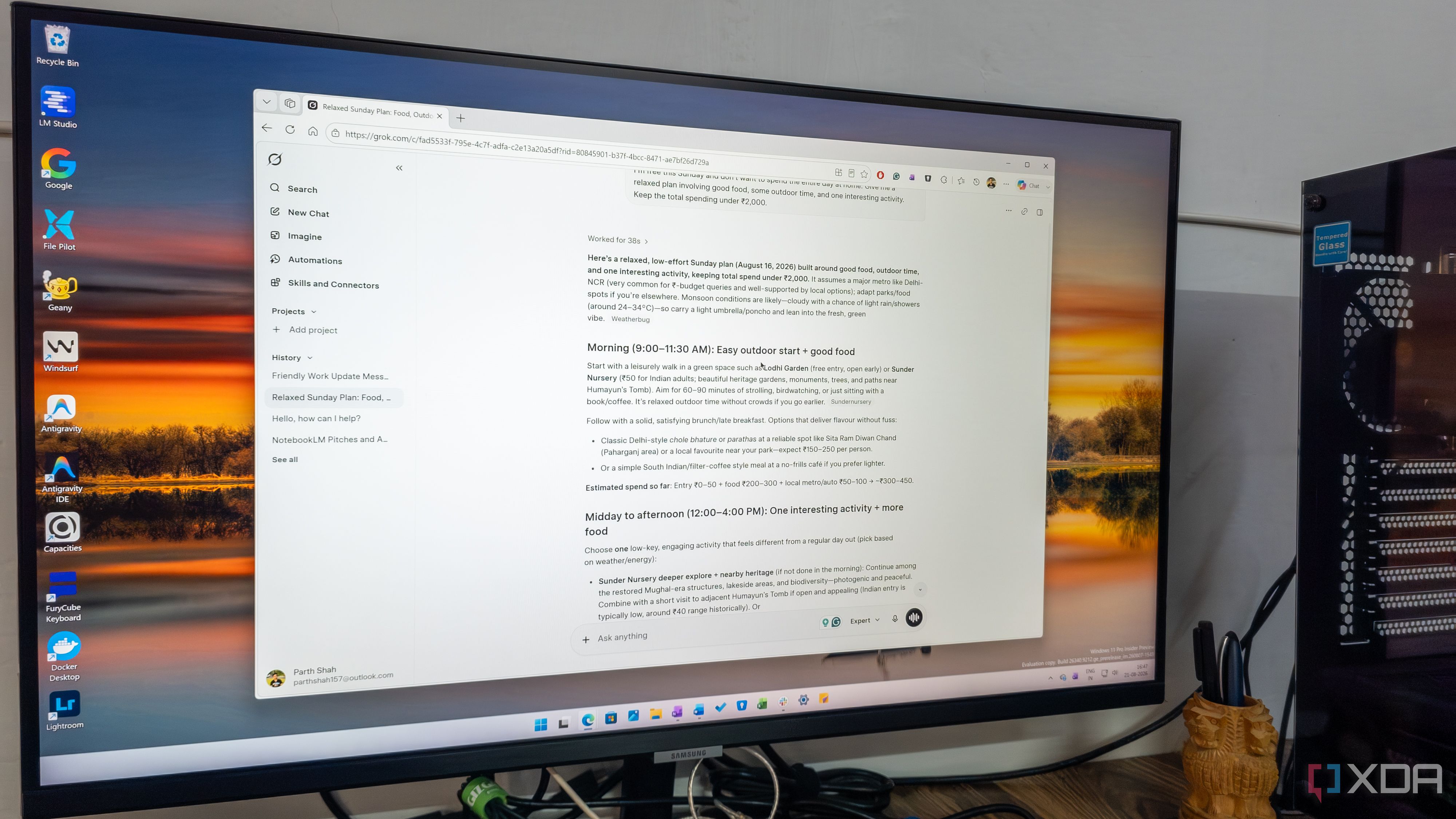
I canceled Claude, ChatGPT, and Gemini subscriptions just to go back to this powerful AI tool
This reader also explored moving beyond mainstream AI tools for a more powerful, personalized solution.
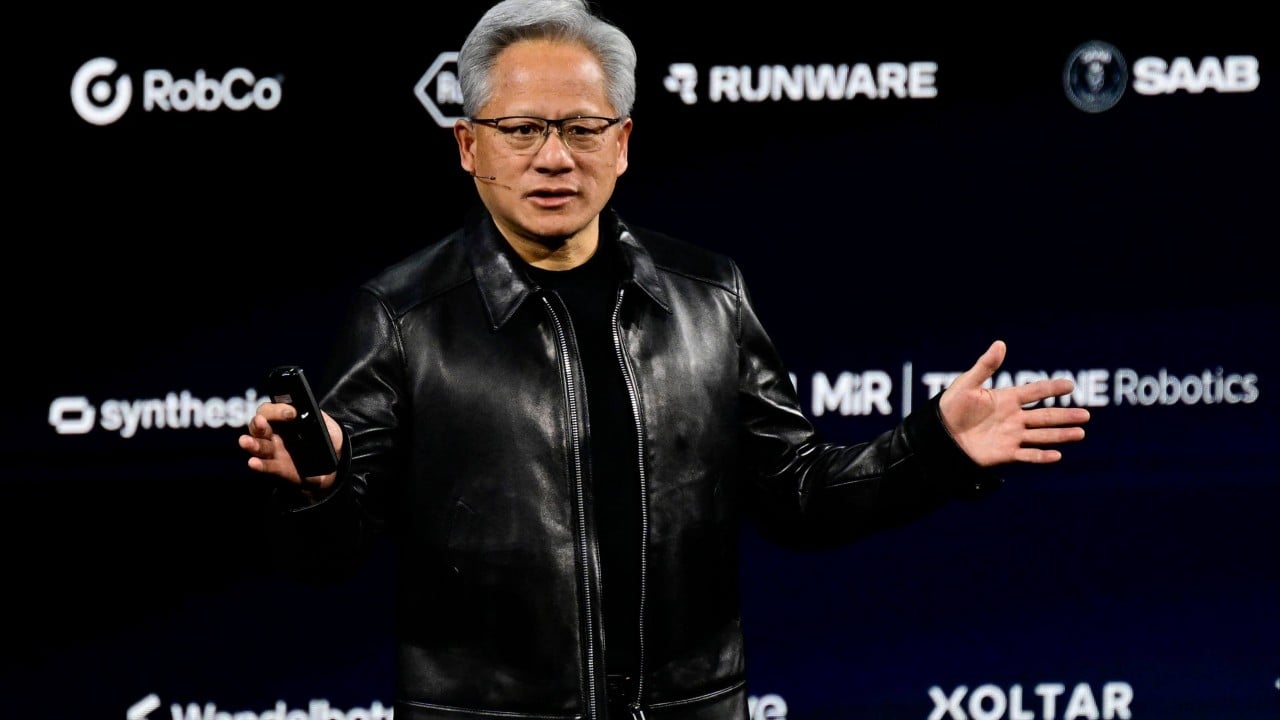
‘Jensen’s nightmare’: Huawei, DeepSeek narrow AI chip ecosystem gap with Nvidia: report
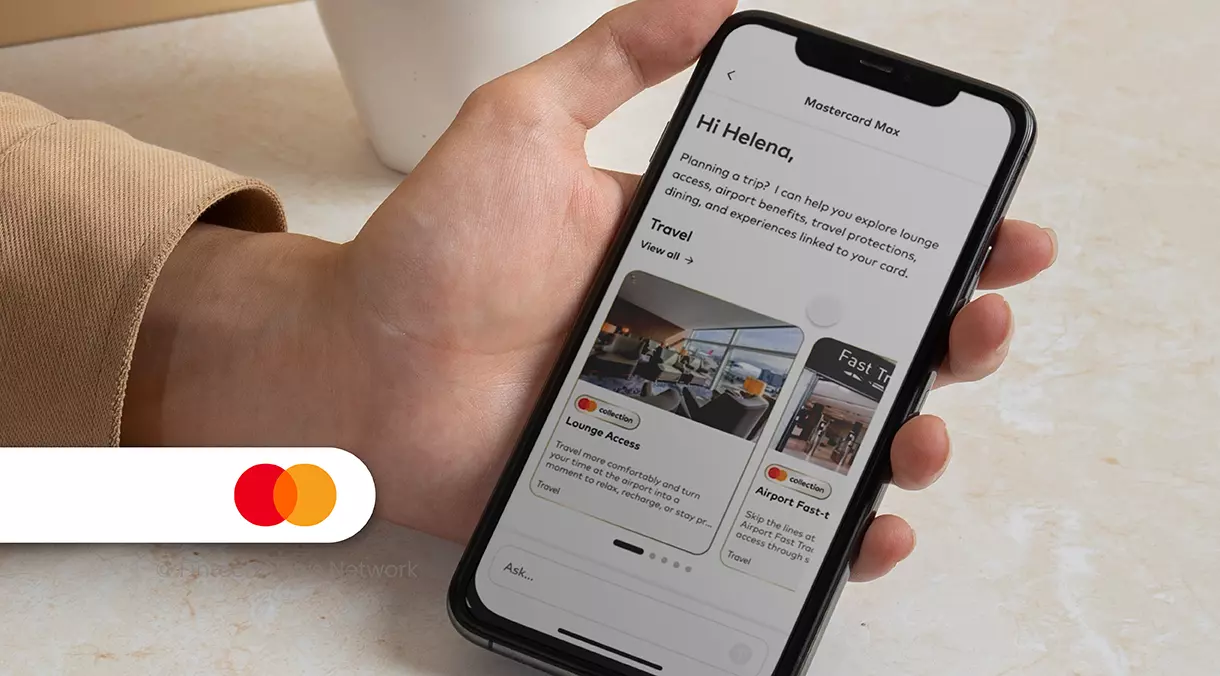
Mastercard Launches AI Assistant to Simplify Card Benefits
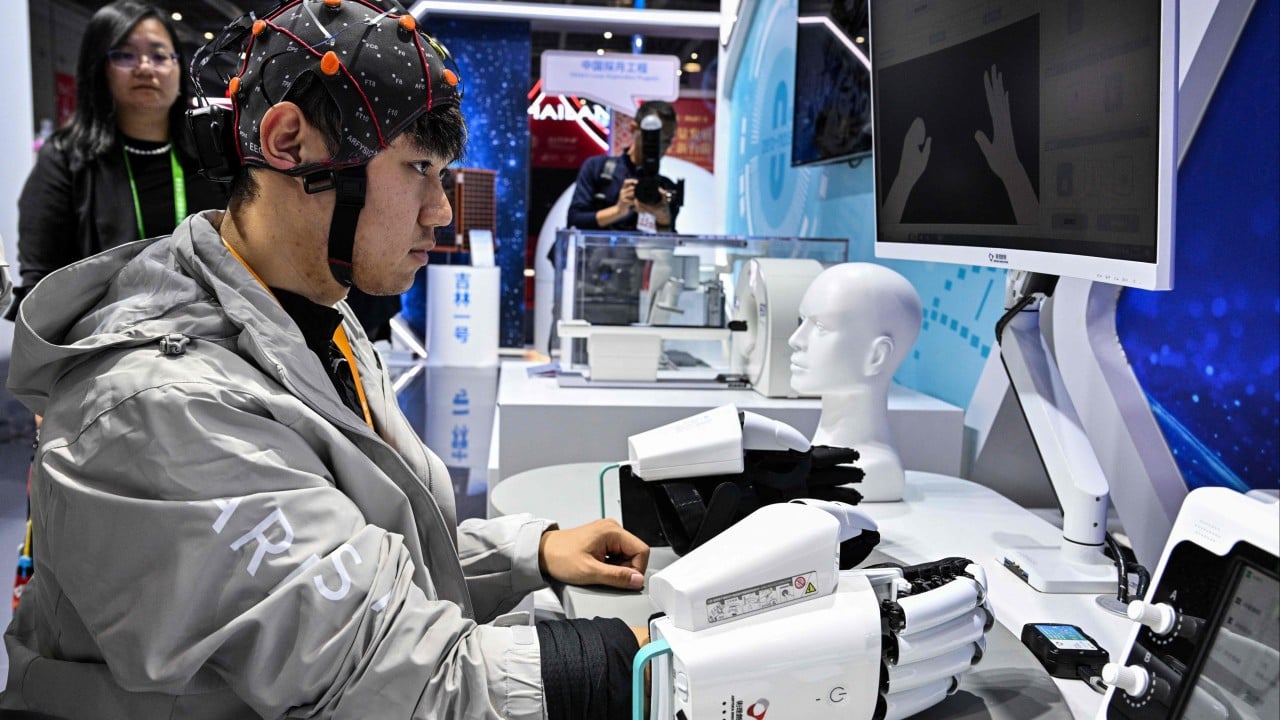
China moves to set global standards for brain-computer interface technology

Visa Tests AI-Powered Business Payments, Introduces New Fraud Controls