
I made Claude Code, Codex, and Antigravity work together on one project instead of competing
An individual developer's months-long experimentation suggests that integrating diverse AI coding tools, such as Anthropic's Claude Code, OpenAI's Codex, and Google's Antigravity, can be more effective than pitting them against each other. This approach, which assigns different project parts to agents based on their strengths, was streamlined by adopting Orca, an open-source Agent Development Environment.
The reported experience highlights a shift in strategy for using AI coding tools, moving from a competitive comparison to a collaborative workflow. The developer found that no single large language model (LLM) excels at all tasks, noting specific strengths and weaknesses across tools like Codex for technical solidity and Claude Design or Google's Argon 4 for frontend user interface work.
By combining these agents, developers can leverage individual tool specializations to compensate for each other's shortcomings. This integrated approach also offers practical benefits, such as circumventing usage limits imposed by a single tool and enabling parallel execution of different tasks across multiple agents, which can accelerate development on larger projects.
Initially, managing a multi-agent workflow was described as complex, requiring manual tracking across several terminal windows. However, the developer discovered Orca, an open-source Agent Development Environment (ADE), which facilitated running and managing multiple AI coding agents from a single interface, simplifying the orchestration of diverse tools.
Share this article
Related reading
6 stories
I moved my MCP servers from Claude to Codex. Here's the cheat sheet
We previously covered the practicalities of migrating servers between Claude and Codex, offering a cheat sheet for developers.
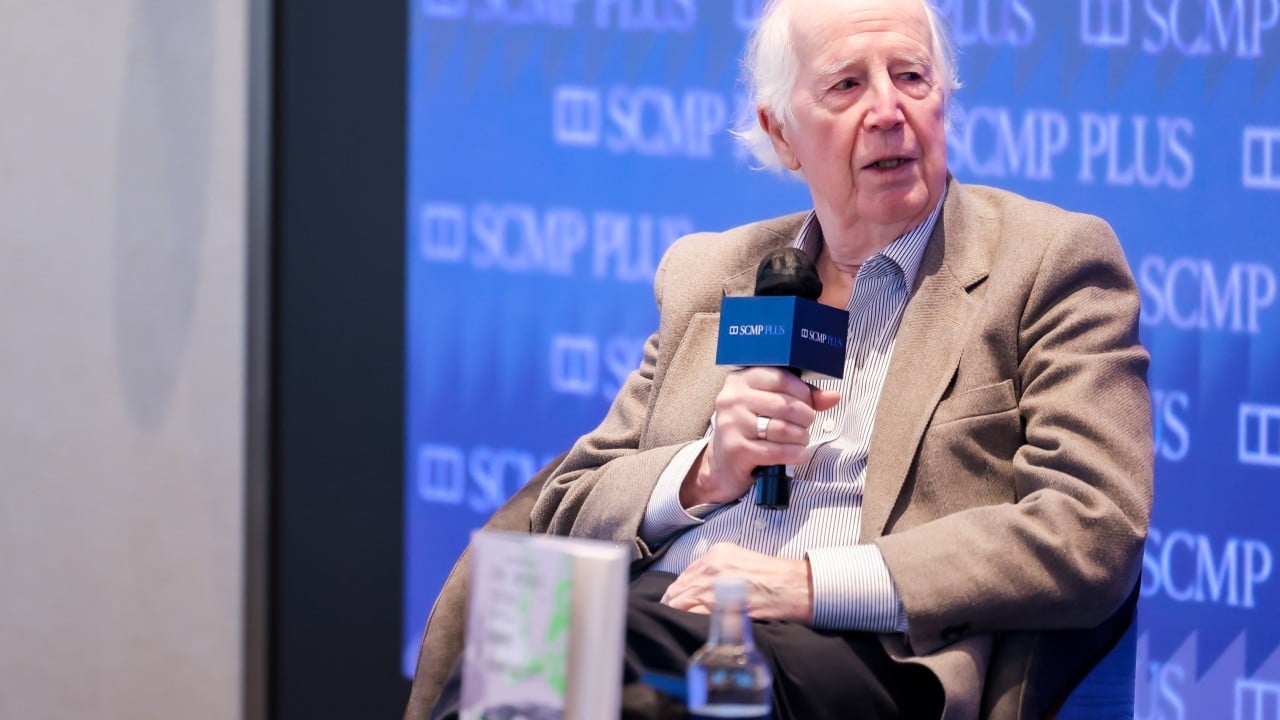
SCMP Plus’ fireside chat about AI with Professor Alan Macfarlane

China’s ‘Lipstick King’ hawks tokens as AI gets mass-market Singles’ Day push

Tokenised gold bar to advance Hong Kong’s ambitions as digital, metal trading hub
Tech firm reveals AI models are getting better at everyday human tasks
