
Huawei, Xiaomi Unveil Foldables as Apple Hits Production Snags
Huawei and Xiaomi have introduced new foldable phones, the Mate XT2 and Xiaomi 18 Fold respectively, ahead of Apple's anticipated entry into the foldable market. Huawei's Mate XT2 is a second-generation trifold device featuring a G-shaped structure and a new Kirin chip based on "Tau's law" for improved signal transmission. Xiaomi's 18 Fold, its first "wide foldable," integrates the company's in-house XRING O3 application processor, focusing on on-device AI performance. Meanwhile, Apple's iPhone Ultra is reportedly facing production issues, with output limited to hundreds of units daily due to low yields on hinges and screen flatness, far below its target of 8 million to 10 million units annually. The global foldable phone market is projected to reach 22 million units this year, growing 22% from the previous year, with continued growth expected through 2028.
The simultaneous launch of new foldable phones by Huawei and Xiaomi underscores the intensifying competition in Asia's smartphone market, particularly as Apple prepares to enter the segment. Huawei's Mate XT2, with its innovative G-shaped trifold design and a Kirin chip leveraging "Tau's law," demonstrates a focus on hardware engineering to gain an edge. This approach to semiconductor performance improvement, by folding circuits vertically, could be a key differentiator for Chinese chipmakers. Xiaomi's 18 Fold, powered by its in-house XRING O3 processor, signals a strategic push into on-device AI capabilities, which is critical for enhancing user experience and power efficiency in a competitive landscape. Apple's reported production snags with the iPhone Ultra, limiting output to hundreds of units daily, present an opportunity for Asian manufacturers to solidify their market positions. While the global foldable market is forecast to grow to 22 million units this year, the ability of companies like Huawei and Xiaomi to scale production and innovate in chip design and AI integration will be crucial. The focus on proprietary chip development, as seen with Xiaomi's XRING O3, reflects a broader trend among Asian tech giants to reduce reliance on external suppliers and control their technological destiny.
Related reading
6 stories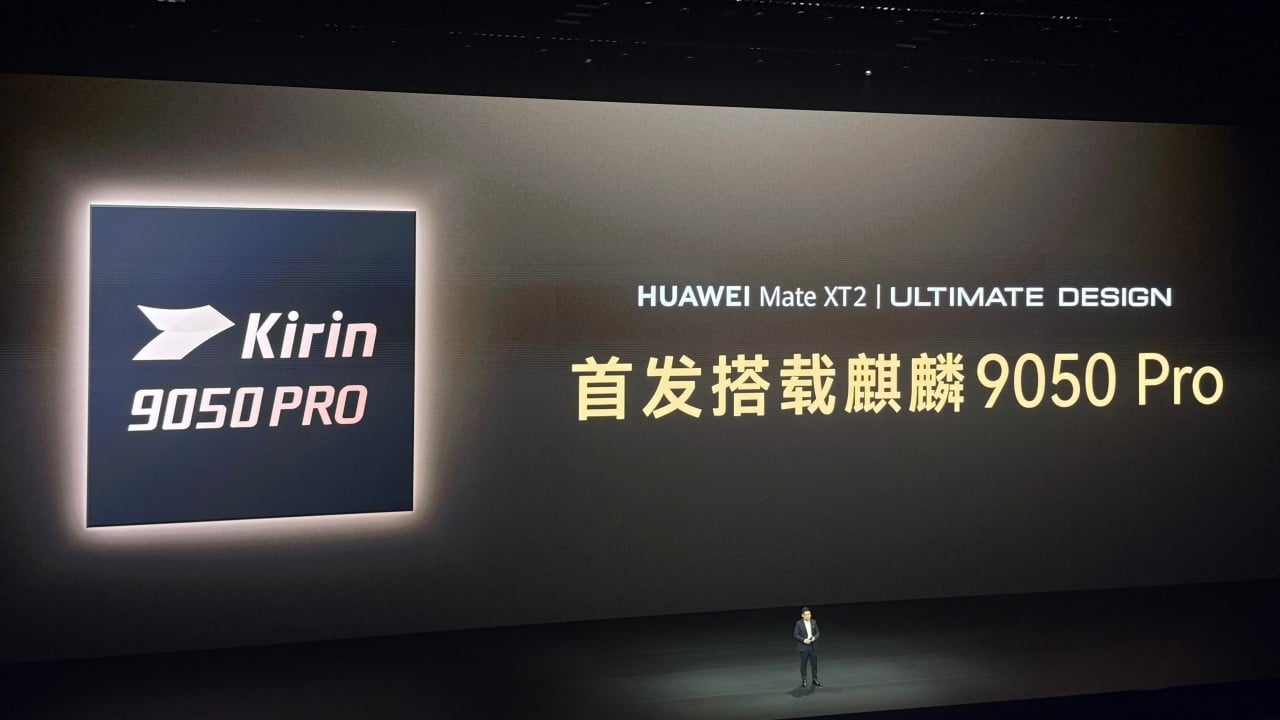
Huawei’s new Kirin chip puts LogicFolding to the test, with bigger ambitions in AI
Huawei's new Kirin chip and its LogicFolding technology were explored in our earlier coverage.

From BYD cars to DJI drones, Guangdong showcases tech prowess ahead of Apec summit
Guangdong's tech prowess, including Huawei's innovations, was a key focus ahead of the Apec summit.

People’s Daily rejects US claims of malicious AI distillation, warns of countermeasures

Databricks to Invest Over US$350 Million in Singapore, Double Its Workforce

Personetics Launches AI Banking Console for Relationship Managers
