Huawei Unveils New UnifiedBus Computing Architecture for SuperPoDs and Clusters
Huawei unveiled its new UnifiedBus interconnect architecture at HUAWEI CONNECT 2026. This architecture targets SuperPoDs and clusters, aiming to enhance computing performance. Yang Chaobin, Huawei's Executive Director and CEO of the ICT Business Group, detailed the innovation. The announcement focuses on core computing architecture for high-performance applications.
Huawei’s UnifiedBus architecture represents a direct challenge to existing high-performance computing interconnects. This development solidifies Huawei’s full-stack AI strategy. It integrates hardware design with software control for large-scale AI training. Huawei is now playing for foundational infrastructure, not just components, which is a significant escalation.
For Asia, this means increased competition in the AI infrastructure market. Chinese companies, in particular, will gain a robust domestic alternative for building large AI clusters. It reduces reliance on foreign interconnect standards. This could accelerate AI development within China’s tech ecosystem and foster greater self-reliance in critical technologies.
The real test for UnifiedBus is broad adoption beyond Huawei’s own systems. Watch for third-party hardware integration and open-source contributions. Its success hinges on developer buy-in by late 2027, which will determine its wider impact on regional AI competitiveness. This adoption will show if it can become a true industry standard.
Related reading
6 stories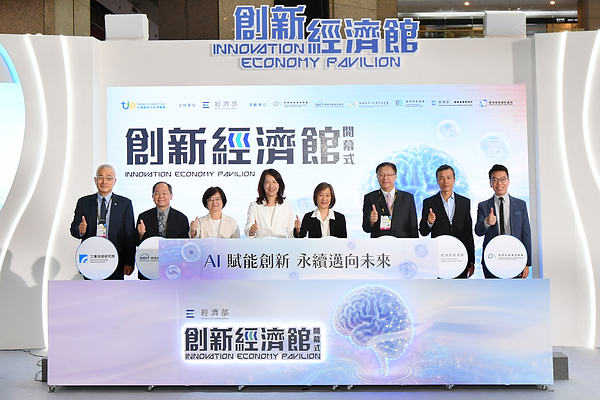
DoIT Unveils 3.2T Silicon Photonics Optical Engine at TIE
Huawei's new architecture challenges existing interconnects, a space where we recently covered DoIT's optical engine.
Moonshot’s Kimi K3 lands on Amazon in key test for Chinese open-source AI revenue
Huawei's move strengthens China's domestic AI ecosystem, similar to Moonshot's Kimi K3 landing on Amazon.

Hong Leong’s New Card Is Forged in Fire And You Can’t Apply for It

Nearly Half of Singaporeans Are Comfortable Letting AI Apply for Credit
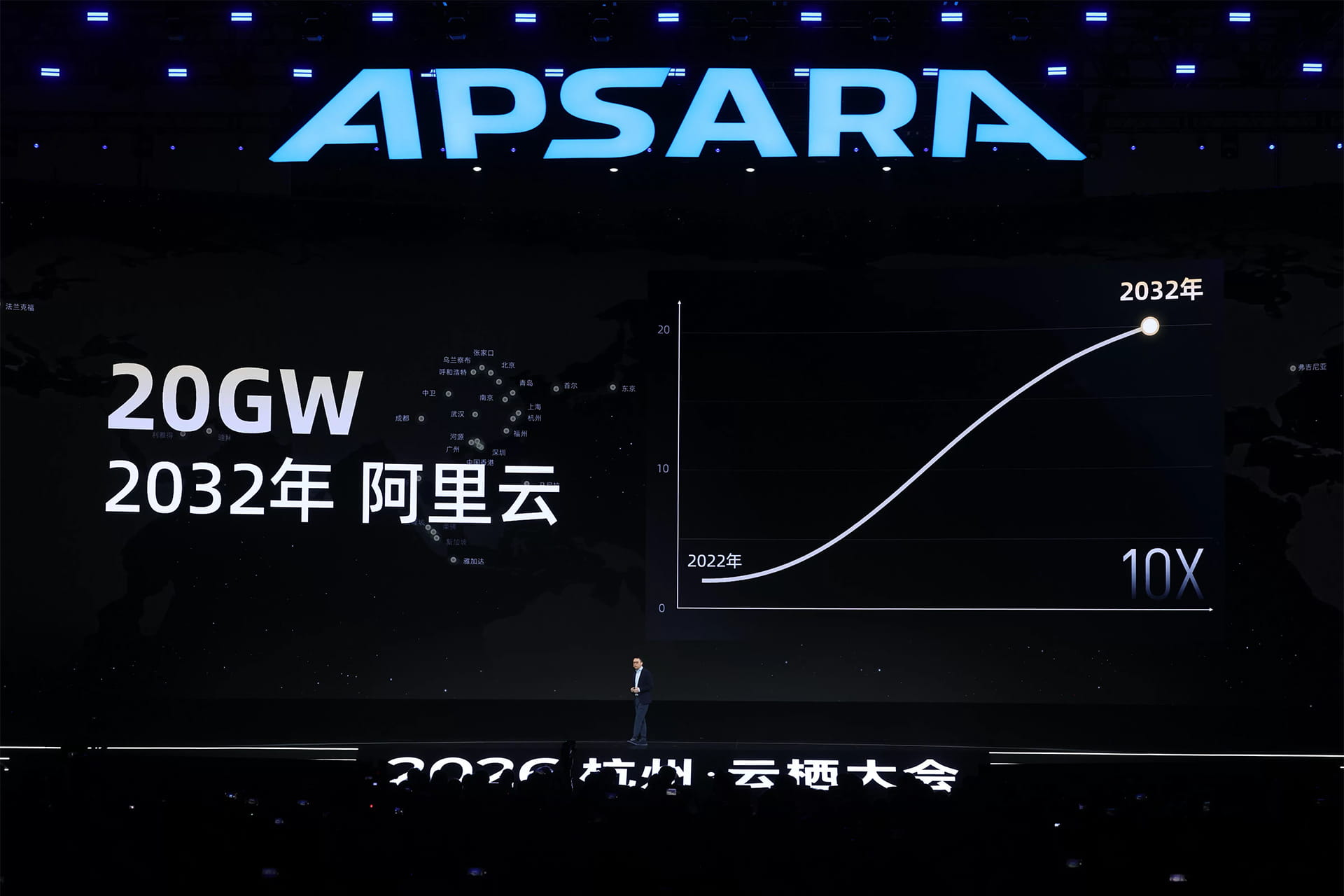
Alibaba scales AI compute with new chip and 20 GW data center target