
Huawei unveils new trifold smartphone powered by Tau Scaling Law-based Kirin chip
Huawei Technologies has launched its Mate XT 2, a new trifold smartphone featuring the Kirin 9050 Pro, which the company states is its most powerful Kirin chip to date. This processor is based on Huawei’s proprietary Tau Scaling Law, a move aimed at enhancing chip performance while reducing reliance on foreign semiconductor equipment. The Mate XT 2, priced at 19,999 yuan (US$2,980), also runs on the updated HarmonyOS 7, which began rolling out to existing Huawei phones on Monday. Huawei states the new chip improves overall performance by 42 percent compared to last year's Mate XT model, intensifying competition in the foldable phone market ahead of new releases from Xiaomi and Apple.
Huawei’s launch of the Mate XT 2 with its Kirin 9050 Pro chip marks a significant step in China’s drive for semiconductor self-sufficiency. The company’s proprietary Tau Scaling Law, which underpins the new Kirin chip, reflects a strategic effort to innovate domestically and mitigate the impact of international sanctions on advanced foreign semiconductor equipment. This development is not just about a new phone; it is about Huawei’s long-term strategy to build a robust, independent chip ecosystem within China, potentially influencing other domestic tech firms to follow suit. The 42 percent performance improvement cited for the Kirin 9050 Pro over its predecessor is a key metric to watch, as it demonstrates Huawei’s capability to advance chip technology despite external pressures. The simultaneous rollout of HarmonyOS 7, featuring AI coding agents, further solidifies Huawei’s integrated hardware and software approach. For the broader Asian tech market, this move by Huawei could accelerate the development of alternative supply chains and operating systems, creating new competitive dynamics in both the smartphone and semiconductor sectors, particularly as global foldable phone shipments are projected to grow by 24 percent this year.
Related reading
6 stories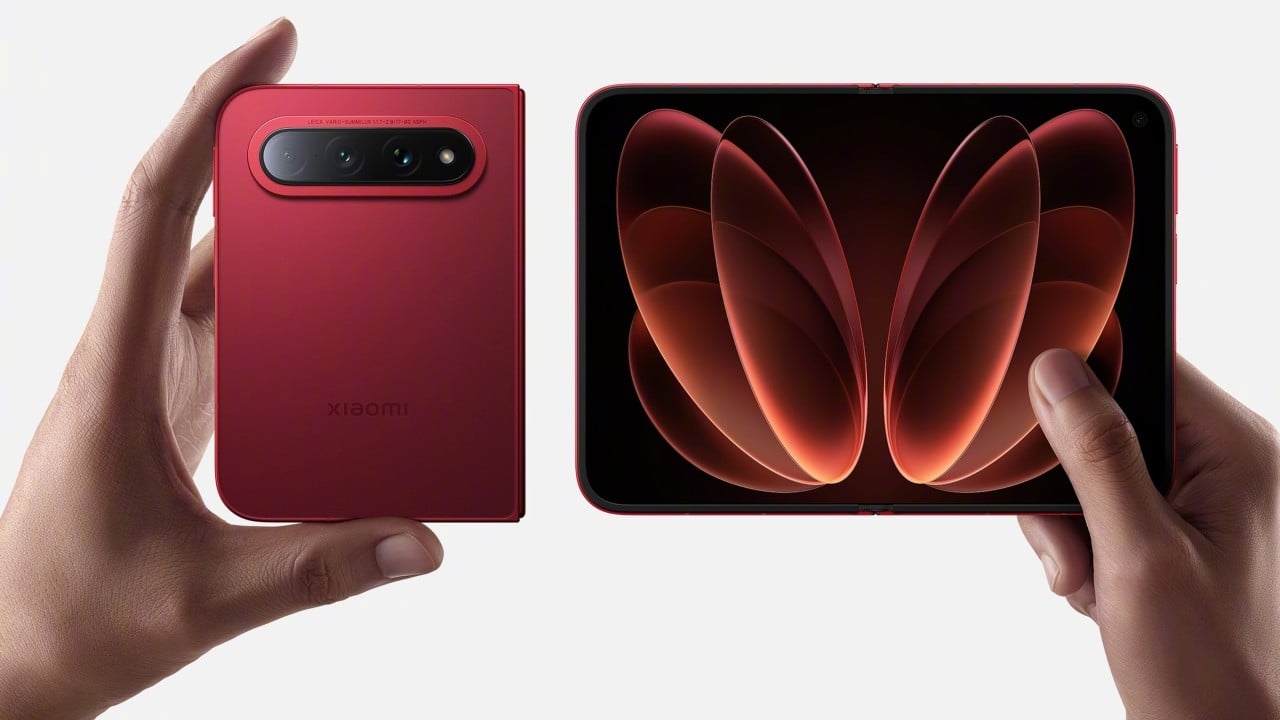
China’s Xiaomi unveils folding phone with home-grown chip as it takes on Apple, Huawei
Huawei's rival Xiaomi also launched a folding phone with a home-grown chip, highlighting China's domestic tech ambitions.

People’s Daily rejects US claims of malicious AI distillation, warns of countermeasures

Databricks to Invest Over US$350 Million in Singapore, Double Its Workforce

ByteDance’s AI-enhanced short-drama app eclipses China’s Netflix rivals combined

Personetics Launches AI Banking Console for Relationship Managers
