How Beijing is neutralising Washington’s sanctions machine
China's CIPS network is gaining traction as an alternative to the US-dominated financial system. This development is eroding US financial dominance. The shift reflects a multilateral pushback against Washington's sanctions machine. This comes after the US President's recent statements at the UN General Assembly regarding Iran and Venezuela. The article suggests a significant rebalancing in global financial power dynamics.
The core story is not US sanctions, but the rise of alternative financial networks. China's CIPS directly challenges the dollar's hegemony. This multilateral pushback shows countries are actively seeking non-SWIFT payment options. The article points to a future where US financial leverage is diminished, especially in Asia.
For Asia, this means greater financial autonomy. Companies in markets like Singapore and Hong Kong could see reduced exposure to US secondary sanctions. This shift lowers the risk of doing business with sanctioned entities, particularly those in Iran and Venezuela, without direct US interference. It also boosts the appeal of yuan-denominated trade.
The thing to watch is CIPS's adoption rate in major Asian economies. If more central banks integrate CIPS for cross-border transactions by 2027, it signals a deeper decoupling from the dollar system. This would accelerate the development of local currency payment rails across the region.
Share this article
Related reading
6 stories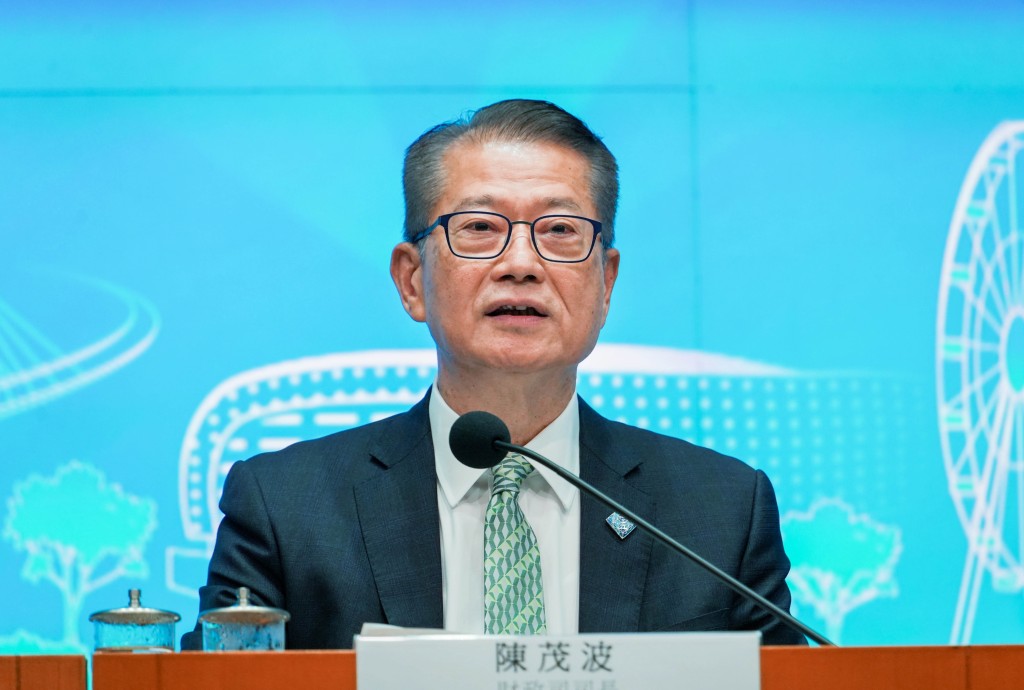
Paul Chan confident HK will meet 3.5-4.5 percent GDP growth target
Hong Kong's financial autonomy is key to Beijing's strategy; we covered its GDP growth targets.

80% of Singapore Businesses Use Fintech, Yet Few Fully Switch

AkzoNobel sells Southeast Asia paint business

Japan service sector activity slows down

Cale88 got P319M from China, HK