How AI Is Helping Traditional Startups Grow While Reshaping the U.S. Economy
Artificial intelligence is proving to be a powerful equalizer for first-time entrepreneurs, enabling them to navigate the complexities of launching and scaling businesses without traditional credentials. Michelle Turner, a foster parent and founder of mental health platform Here Now Health, leveraged AI as a strategic advisor to develop her business model, refine investor pitches, and secure venture capital. Her story exemplifies a growing trend where traditional companies utilize AI not as their core product, but as an essential tool to enhance efficiency and accelerate growth. This shift is lowering barriers to entry for entrepreneurs and reshaping economic landscapes, prompting close examination from policymakers and economists regarding AI's broader impact on productivity, employment, and market dynamics. The integration of AI into traditional business operations is expected to drive significant breakthroughs and potentially redefine economic growth trajectories.
While this article focuses on the U.S. economy, the trends it highlights regarding AI's impact on traditional startups are highly relevant to Asia's dynamic tech ecosystem. The democratizing effect of AI, enabling founders without extensive experience or traditional qualifications to build and scale businesses, resonates strongly in markets across Southeast Asia, India, and other emerging Asian economies. Here, a burgeoning startup scene often faces similar challenges of access to capital, mentorship, and specialized expertise. AI tools can bridge these gaps, empowering a new generation of entrepreneurs to address local needs and compete on a global scale. This could accelerate the growth of traditional sectors like healthcare, education, and logistics, which are ripe for digital transformation in many Asian countries.
Furthermore, the discussion on AI's potential to transform jobs rather than eliminate them, and its role in addressing labor shortages, holds significant implications for Asia. Many Asian economies are grappling with unique demographic challenges, including aging populations in some regions and a need for upskilling in others. AI's ability to enhance productivity among existing staff and create new job categories could be crucial for sustained economic development. As investment in AI infrastructure continues to surge globally, Asian nations are also experiencing increased demand for data centers, electricity, and skilled labor, mirroring the U.S. experience. Understanding these dynamics will be key for Asian policymakers and investors as they navigate the opportunities and disruptions presented by AI.
Related reading
6 stories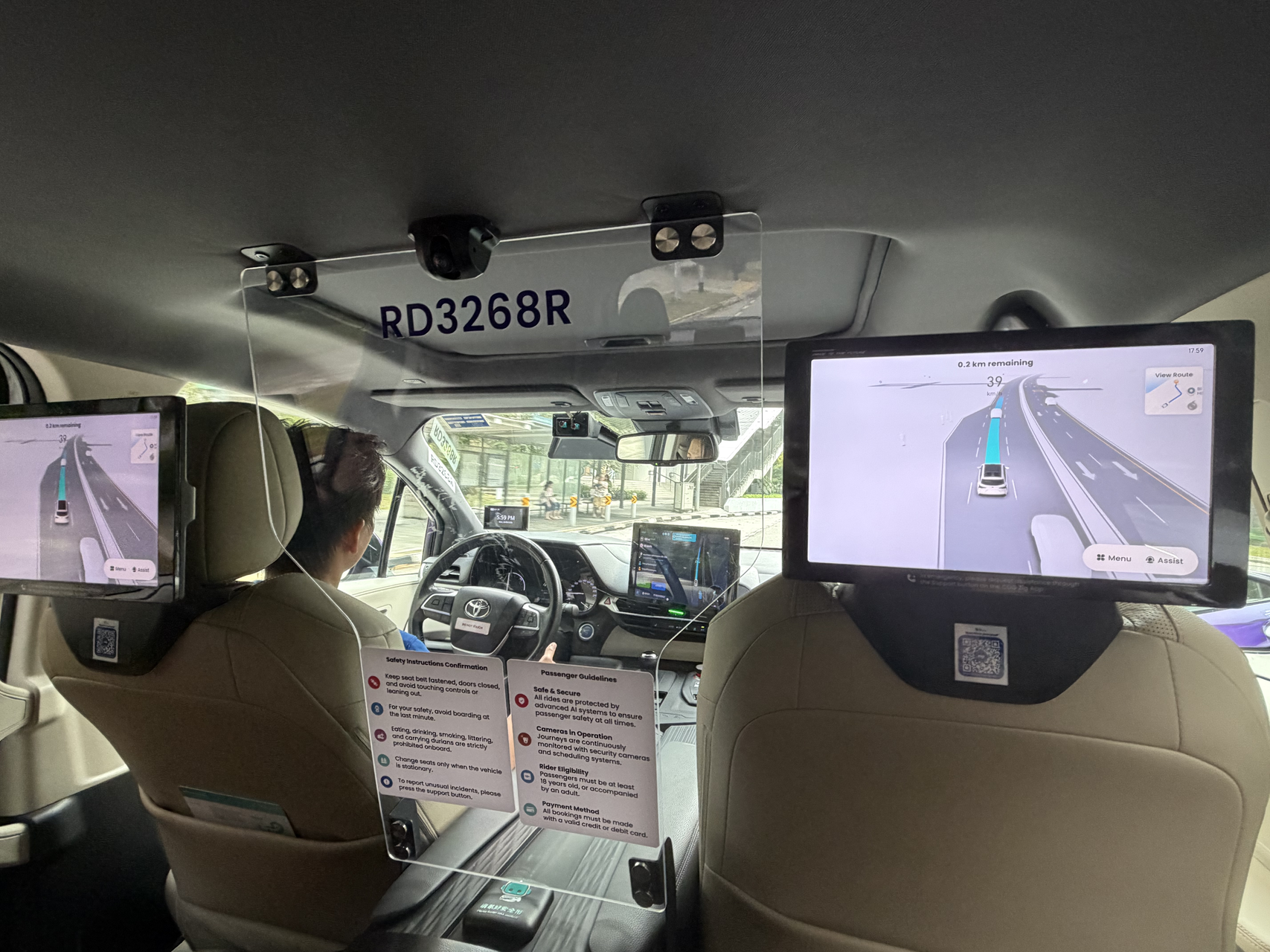
If driverless cars already work, why aren’t they everywhere?

Sumsub Launches Workforce Verification as Deepfake Risks Grow

ByteDance’s AI-enhanced short-drama app eclipses China’s Netflix rivals combined

Timo Joins Top 10 Banks in Vietnam by Customer Satisfaction

Payment Agility and Modernisation for the Age of Intelligence