Grades matter less than motivation in AI era, HKU vice-president says
Jay S. Siegel, vice president of the University of Hong Kong, argues that student motivation is more critical than grades in higher education. He suggests that while examinations encourage study, they do not necessarily reflect intellectual habits. Siegel identifies specific roles for AI in administrative support, research, and helping students prepare for deeper discussions with professors.
Jay S. Siegel, Vice President of the University of Hong Kong, challenges the premise that AI is compelling higher education to move "beyond content delivery." He asserts that leading universities have consistently aimed to cultivate independent thinkers. His primary concern lies with an overemphasis on grades, which he believes can overshadow the more crucial goal of fostering a lasting desire to learn, viewing examinations primarily as a means to encourage engagement with material rather than definitive assessment.
Within this educational philosophy, Siegel outlines how AI could support objectives without prioritizing traditional assessment. He states AI could simplify administrative tasks like admissions, thereby allowing staff to focus on other work. For researchers, AI could assist in identifying patterns within large datasets. In teaching, Siegel envisions AI enabling students to access learning materials, review lectures, and ask questions independently, which could prepare them for more productive, in-depth discussions with faculty.
The reported applications of AI align with Siegel's focus on the learning process and operational efficiency, rather than directly contributing to or validating a grade-centric assessment system. The AI tools described serve as facilitators, supporting access to information and optimizing educational support systems. While these could indirectly foster an environment conducive to deeper engagement and intrinsic motivation, the provided information does not detail how these AI tools would explicitly cultivate motivation or offer specific examples of their implementation or measured impact on student intellectual habits.
Share this article
Related reading
6 stories
Innovation Wing provides equipment, workspace, guidance for hands-on projects
HKU's Innovation Wing provides hands-on project guidance, echoing the university's focus on practical learning over grades.
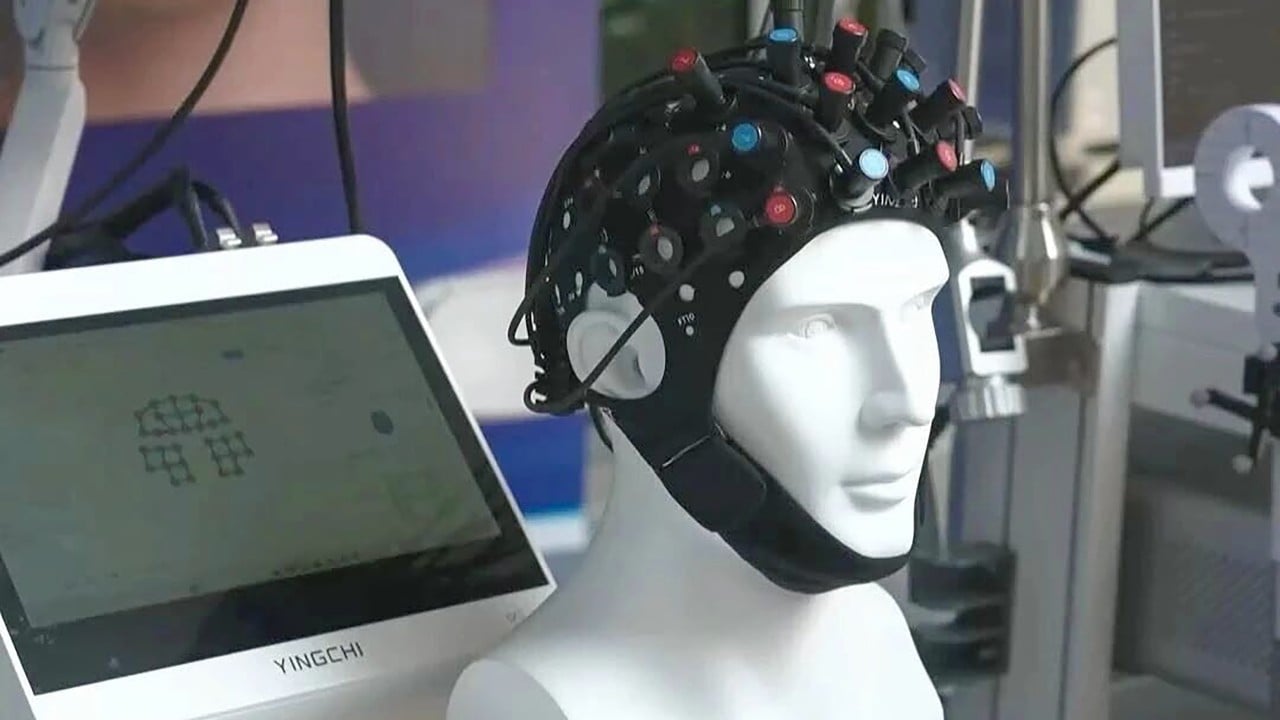
China joins global race to reawaken brain-injury patients through ultrasound therapy

Apple confirms iOS 27.3 beta is coming next week with Apple Intelligence in China

Batch video editing with Adobe Premiere scripting: lessons learned

My Daughter Wanted a Haunted House. Gemma Became the Game Master.