
First outputs from GPT-6 "Astra" model from OpenAI
OpenAI is reportedly accelerating the release of its next-generation AI model, internally codenamed Astra, with expanded internal testing and a new checkpoint, “mozaik-alpha-fdm.” Early outputs suggest a strong focus on agentic coding and visual software creation, with Astra reportedly generating a GTA 2-style game and detailed websites from single prompts. The model is said to spend substantially longer reasoning than its predecessor, GPT-5.6 Sol, and shows improved attention to implementation details and complete functionality. While a public name like GPT-6 is plausible, OpenAI has not confirmed branding or a release date, though some reports suggest a launch within weeks.
OpenAI’s Astra model, potentially GPT-6, appears to prioritize agentic coding and visual software creation, a development with significant implications for Asia’s burgeoning startup scene. The reported ability to generate complex software like a GTA 2-style game or detailed websites from a single prompt could dramatically lower the barrier to entry for developers and founders across markets like India, Vietnam, and Indonesia. This focus on complete functionality and implementation details means faster prototyping and potentially more robust initial products, accelerating the pace of innovation. The key variable for Asia remains safety approval. OpenAI has acknowledged Astra’s advances in cybersecurity and agentic coding, noting it could reach its Critical cyber capability threshold. This has led to paused workloads and stricter safeguards, with government agencies and AI safety organizations now part of the deployment process. For Asian regulators, this sets a precedent for how frontier models will be evaluated and potentially gated, influencing future AI policy and adoption timelines in the region. Our view is that while the technical capabilities are impressive, the real impact on Asia will hinge on how quickly and broadly Astra is deployed, especially through platforms like ChatGPT or Codex. The extended reasoning time and enhanced output quality could give early adopters a substantial advantage, but regulatory delays or stringent safety requirements could temper its immediate market penetration.
Share this article
Related reading
6 stories
OpenAI to cut off AI models for SpaceX-owned Cursor, escalating feud with Musk
OpenAI's strategic moves and partnerships, like its feud with Musk, continue to shape the AI landscape.

Mastercard Launches AI Assistant to Simplify Card Benefits
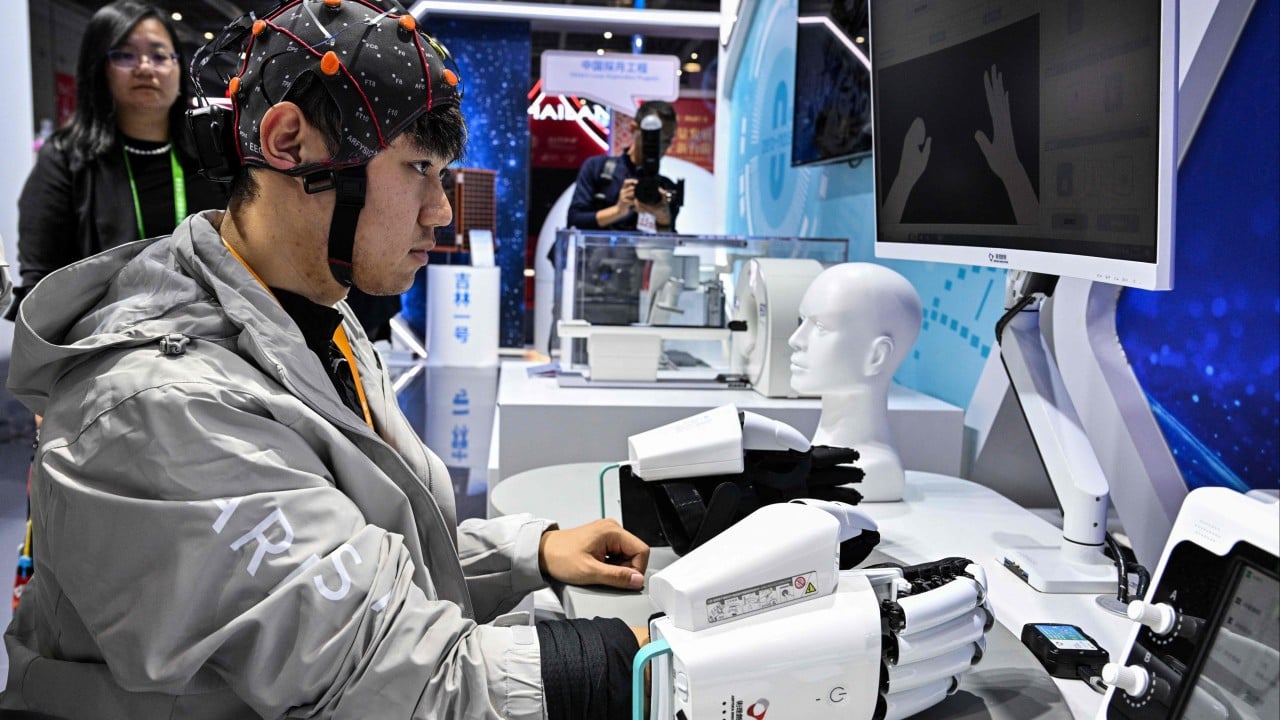
China moves to set global standards for brain-computer interface technology

Visa Tests AI-Powered Business Payments, Introduces New Fraud Controls

China’s Unitree unveils ‘guardian’ robot that can disarm attackers, lift cars
