DOE, ERC policies must be checked, too amid high costs, brownouts
Two Philippine lawmakers are urging a review of policies from the Department of Energy (DOE) and the Energy Regulatory Commission (ERC) in response to rising power costs and frequent brownouts. This suggestion comes amidst a joint hearing by the House of Representatives’ committee on energy and committee on legislative franchises, which is investigating power interruptions that occurred on May 13. Instead of solely blaming the grid operator, Apec party-list Rep. Sergio Dagooc and Palawan Rep. Jose Alvarez advocate for a broader examination of the technical, regulatory, and financial issues impacting the nation’s power industry. Their proposal aims to address systemic problems rather than focusing on isolated incidents or specific entities.
The call for a policy review within the Philippine energy sector highlights a critical challenge for Asian economies: balancing energy security with affordability and reliability. As nations across the region push for digital transformation and industrial growth, a stable and cost-effective power supply becomes paramount. Inadequate or outdated energy policies can stifle technological adoption, deter foreign investment in tech-intensive industries, and impede the growth of local startups that rely on consistent power. This situation in the Philippines underscores the need for regulatory frameworks that are agile enough to adapt to fluctuating energy demands and global market dynamics, while also promoting infrastructure development and sustainable energy sources.
For Asia’s tech ecosystem, such energy policy debates are not isolated incidents but rather indicators of broader infrastructural hurdles that can impact innovation and competitiveness. Governments must proactively address these issues to ensure that their digital ambitions are not undermined by fundamental resource constraints. The outcome of these policy reviews in the Philippines could set a precedent for how other Asian nations approach similar challenges, potentially influencing investment in smart grid technologies, renewable energy solutions, and regulatory reforms that foster a more resilient and efficient energy landscape.
Related reading
6 stories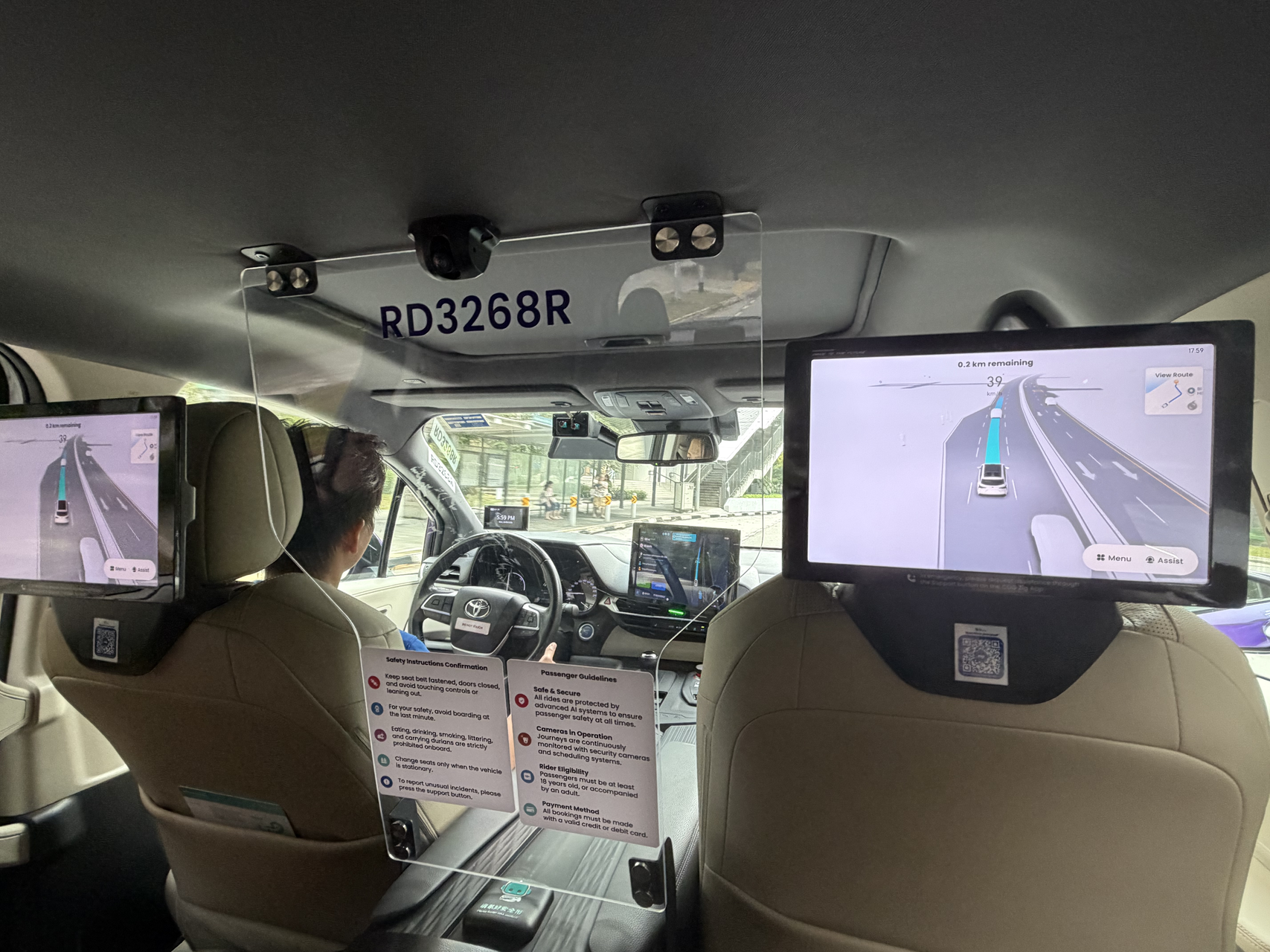
If driverless cars already work, why aren’t they everywhere?

Sumsub Launches Workforce Verification as Deepfake Risks Grow
ByteDance’s AI-enhanced short-drama app eclipses China’s Netflix rivals combined

Timo Joins Top 10 Banks in Vietnam by Customer Satisfaction

Payment Agility and Modernisation for the Age of Intelligence