
China's Medical Schools Lose Their Shine as AI Draws Top Students
Chinese medical schools are seeing declining admission cutoffs as top students shift to AI and robotics majors. The lowest-ranked student admitted to Sun Yat-sen University's medical school placed 1,300 spots lower than the previous year. Students cite long training, low pay, and heavy workloads as reasons for avoiding medicine. The path from medical school to full training now takes at least 11 years, with many trainees earning less than 1,000 yuan per month.
China's talent migration from medicine to AI is a direct consequence of economic incentives. Unpaid internships and low trainee salaries, with 28% of trainees earning under 1,000 yuan monthly, make the 11-year medical training path unattractive. This is not just a preference for tech; it is a rejection of a broken compensation model in healthcare.
This shift creates a clear talent pipeline for China's AI sector, boosting companies like DeepSeek and their generative AI models. The country's push into humanoid robots and AI benefits directly from this influx of high-achieving students. However, it also exacerbates a future shortage of doctors, particularly in clinical roles, as students avoid the demanding reality of medical practice.
The thing to watch is whether Beijing intervenes with policy to improve doctor compensation or training structures. Without such changes, the talent drain from medicine will accelerate. This will force a choice between a stronger AI sector and a weaker healthcare system.
Related reading
6 stories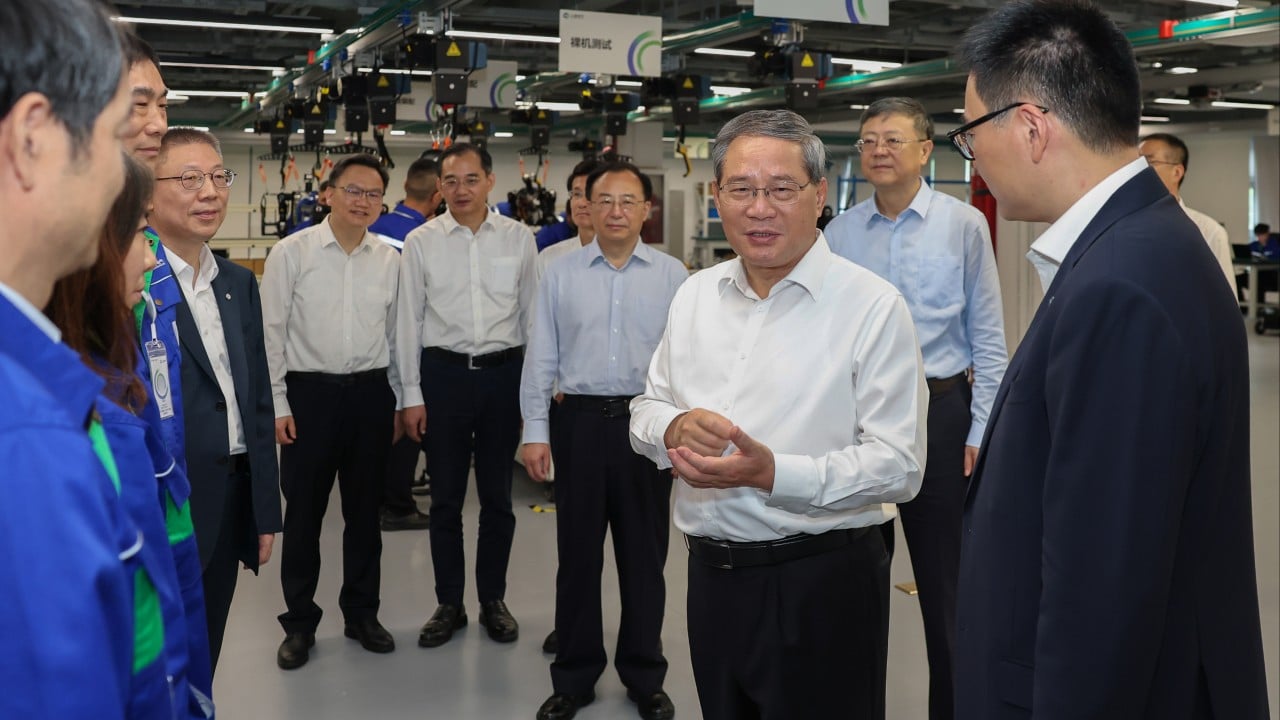
China’s Premier Li Qiang calls for harnessing AI to propel manufacturing advances
China's Premier Li Qiang has called for harnessing AI to propel manufacturing advances, a direct beneficiary of this talent shift.
Alibaba unveils new powerful chip and ambitious AI model plans
Alibaba's ambitious AI model plans and new powerful chip underscore the industry's draw for top Chinese talent.

Meta Removes 3.64 Million Facebook, Instagram Pages in Scam Crackdown

RISC-V chipmaker Eswin clears Hong Kong listing hearing
Tencent uses its products to guide Hy Image 3.5 development
