China’s commercial space sector expands global footprint with Thailand deal
Beijing-based GalaxySpace has completed China's first turnkey satellite export to Southeast Asia, deploying the Lingzhi-09 Thailand CubeSat for Thailand's Geo-Informatics and Space Technology Development Agency (GISTDA). Launched aboard a Long March-6C rocket from the Taiyuan Satellite Launch Centre, the CubeSat will gather remote-sensing data for land, agriculture, and ecological applications. GalaxySpace, China's first commercial space unicorn, provided GISTDA with an integrated package encompassing the spacecraft, ground system, and personnel training, including training Thai personnel in China and assisting with ground system development in Thailand. This mission reflects China's ambition to expand its influence in the global space industry, competing with companies like SpaceX.
The deployment of the Lingzhi-09 Thailand CubeSat by GalaxySpace marks a significant shift in China's commercial space strategy. This is not merely an export of hardware, but a full-service package including satellite development, launch, ground system, and personnel training for Thailand's GISTDA. It shows a move from product export to a comprehensive service and ecosystem offering in overseas markets. For Southeast Asia, this means increased access to advanced space technology and capabilities, potentially at competitive rates. The integrated approach by GalaxySpace, a unicorn startup, could accelerate space-related data collection and applications in countries like Thailand, benefiting sectors such as agriculture and environmental monitoring. The key watch point is how this model scales across the region and whether it can genuinely challenge the established dominance of players like SpaceX in providing end-to-end space solutions.
Share this article
Related reading
6 stories
Canva releases its first image generation model
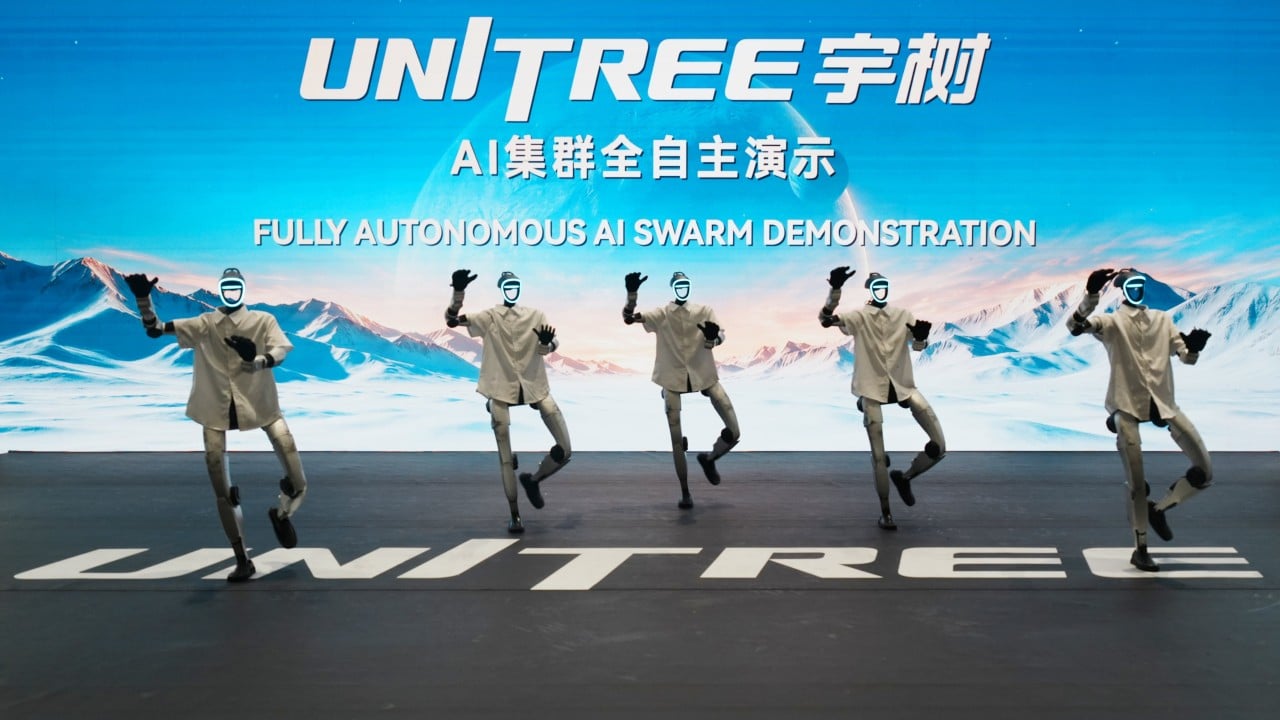
Unitree developing AI system to let humanoid robots improve themselves

Nirva raises $33M for a pendant that only listens to you

Cybersecurity Alert: AI Finds PHP Flaws, eMudhra Faces Certificate Concerns

Volkswagen’s Jetta M6 EV launched in China with up to 555 km range, starting at 11,900 USD