China weighs open-weight AI’s security risks against national tech innovation strategy: researchers
China is currently navigating a complex regulatory challenge, balancing the inherent security risks associated with open-weight artificial intelligence models against its national strategy for technological innovation. Researchers indicate that this delicate equilibrium is crucial for China’s ongoing competition with the United States for technological supremacy. While open-weight models, which allow free access to their underlying code for local deployment, have historically trailed proprietary frontier models by several months, recent advancements from Chinese laboratories have significantly narrowed this performance gap. This development intensifies the need for a nuanced policy approach that fosters innovation while mitigating potential security vulnerabilities. The outcome of this regulatory balancing act will have significant implications for China's AI ecosystem and its global technological standing.
China’s internal debate over open-weight AI models highlights a critical tension between national security and technological advancement, a dynamic that will profoundly shape Asia’s tech landscape. The rapid improvement of Chinese open-weight models, now rivaling proprietary frontier models, forces regulators to confront the dual-use nature of powerful AI. On one hand, open access fosters rapid innovation, democratizes AI development, and could accelerate China’s lead in specific applications. On the other, the lack of control over how these models are used, modified, or deployed by third parties presents significant security and ethical challenges, potentially leading to misuse or unintended consequences that could undermine state control and stability.
This regulatory tightrope walk in China will have ripple effects across the broader Asian tech ecosystem. Countries like Singapore, South Korea, and India, which are also investing heavily in AI, will closely observe China’s approach to open-weight models. A more permissive stance could spur greater collaboration and open-source contributions within Asia, accelerating regional AI capabilities. Conversely, a highly restrictive framework might push Chinese developers towards more proprietary solutions, potentially fragmenting the regional AI landscape and creating distinct, less interoperable ecosystems. The decisions made in Beijing will not only determine the future trajectory of China’s AI industry but also influence the regulatory philosophies and market dynamics for AI development throughout the continent.
Related reading
6 stories
Once reliant on Samsung and SK Hynix, Chinese smartphone makers are turning to CXMT

Multimodal AI breakthrough could come within two years, SenseTime scientist says

Huawei quickens AI chip pace, promises next entrant 3 quarters early

Seres takes the lead at Aito as Huawei reshapes its role
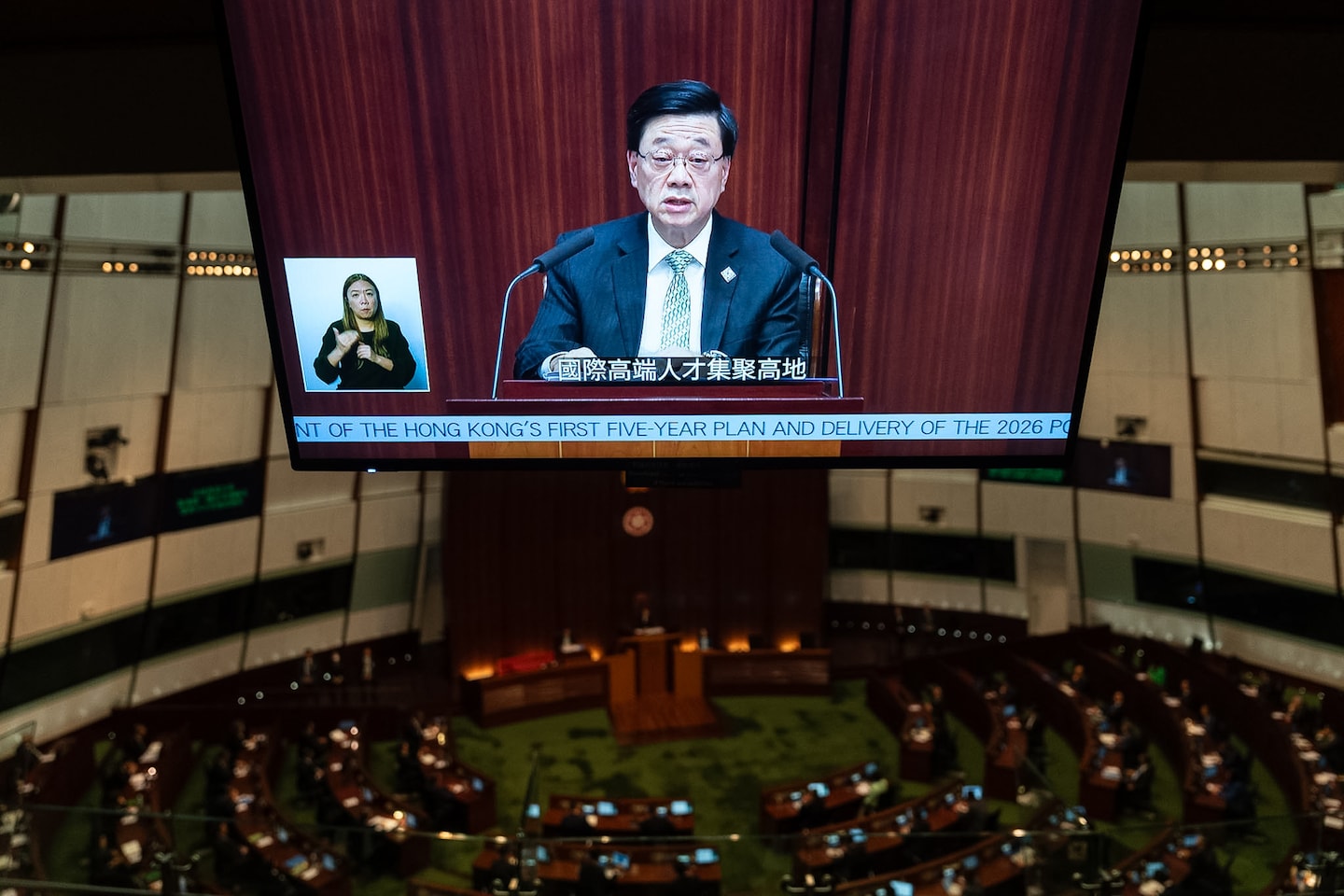
Hong Kong's first five-year plan bets on AI skills: from kindergartens to the workforce