China targets fourfold boost in AI computing capacity by 2030 in major tech push
China's Ministry of Industry and Information Technology (MIIT) has unveiled a five-year plan targeting a fourfold increase in the nation's AI computing capacity by 2030. The plan aims for 9,800 eflops of intelligent computing capacity, up from 2,185 eflops recorded at the end of June. This initiative includes deploying AI computing clusters with up to 100,000 accelerator cards and calls for 3.8 trillion yuan (US$532 billion) in information infrastructure investment from 2026 to 2030. The strategy builds on the existing "East Data, West Computing" project, which decentralizes computing workloads to western regions with abundant energy resources.
China’s aggressive push to quadruple its AI computing capacity to 9,800 eflops by 2030, backed by a US$532 billion investment, reflects Beijing's commitment to AI infrastructure. The plan to deploy clusters with 100,000 accelerator cards and adapt infrastructure for home-grown chips is a direct response to ongoing geopolitical pressures and the need for self-sufficiency in critical technology. This scale of investment and deployment will significantly bolster China's domestic AI capabilities, potentially reducing reliance on foreign technology and fostering a more robust local ecosystem for AI development and application. The thing to watch is the practical implementation of integrating home-grown computing chips into these massive clusters. While the target of 9,800 eflops is ambitious, achieving it with domestic hardware will be a key indicator of China's progress in overcoming semiconductor supply chain challenges. The success of this integration will determine the true impact on China's AI sovereignty and its competitive position against global tech leaders, particularly in advanced AI applications.
Related reading
6 stories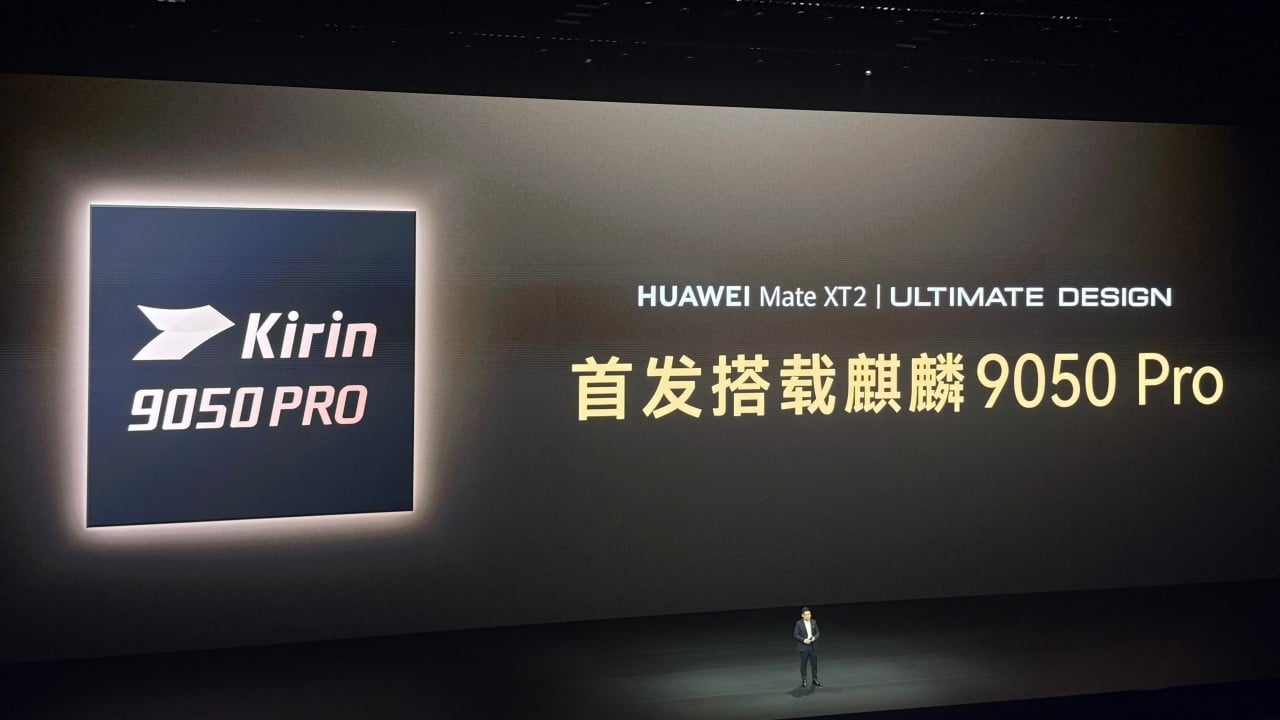
Huawei’s new Kirin chip puts LogicFolding to the test, with bigger ambitions in AI
Huawei's new Kirin chip and its AI ambitions show the domestic tech push this article describes.

China’s Xiaomi unveils folding phone with home-grown chip as it takes on Apple, Huawei
Xiaomi's folding phone with a home-grown chip highlights China's drive for self-sufficiency in tech.
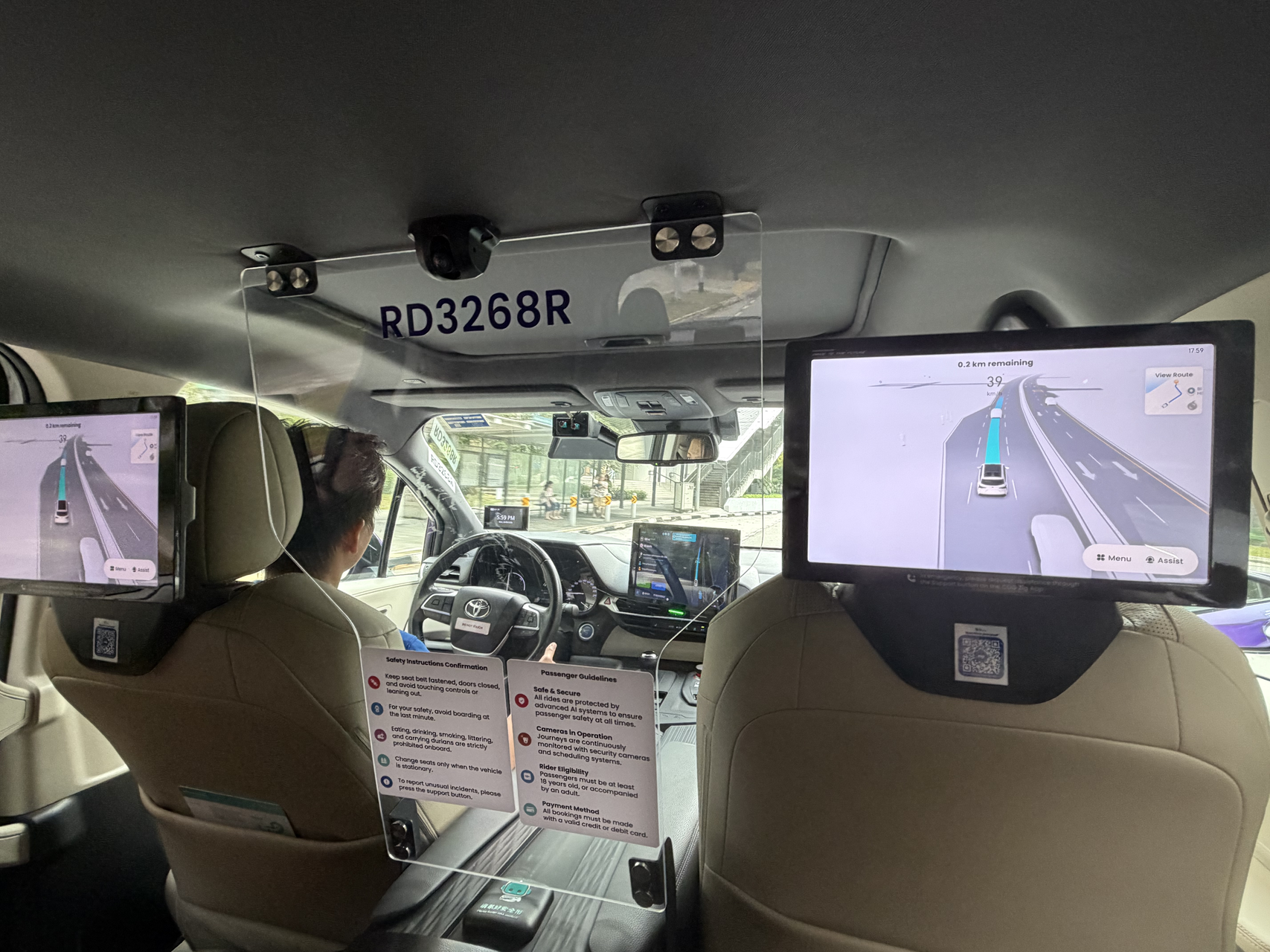
If driverless cars already work, why aren’t they everywhere?
People’s Daily rejects US claims of malicious AI distillation, warns of countermeasures

Sumsub Launches Workforce Verification as Deepfake Risks Grow