China races to industrialize computing power with token factory, consumer token plans
China is aggressively moving to industrialize computing power, a critical component for artificial intelligence advancements. This initiative is exemplified by HON-Flex, an electronics firm, which recently partnered with the Wuxi local government near Shanghai to establish a "token factory." This development highlights China's pragmatic and rapid approach to scaling up its technological infrastructure. The push to industrialize computing power is a strategic move to solidify China's position in the global AI race, ensuring a robust foundation for future innovations and applications. This concerted effort reflects a national priority to transform raw computing capabilities into a standardized, accessible resource.
China's concerted effort to industrialize computing power, as evidenced by the "token factory" initiative, marks a significant strategic pivot in Asia's tech landscape. This move aims to standardize and scale access to computational resources, which are the bedrock of AI development. By treating computing power as an industrial commodity, China is not only addressing the immediate demands of its burgeoning AI sector but also laying the groundwork for long-term technological self-sufficiency and global competitiveness. This approach could significantly lower the barrier to entry for AI startups and research institutions within China, fostering a more dynamic and innovative ecosystem.
From a market dynamics perspective, this industrialization could lead to a more efficient allocation of computing resources, potentially driving down costs and accelerating AI adoption across various sectors. For the broader Asian tech ecosystem, China's success in this endeavor could set a precedent, influencing other nations to adopt similar strategies to bolster their own AI infrastructure. It also underscores a growing trend of national-level strategic investments in foundational technologies, moving beyond mere application development to focus on the underlying hardware and infrastructure that power the digital economy. This signals a deepening commitment to leading in the AI era, not just participating in it.
Related reading
6 stories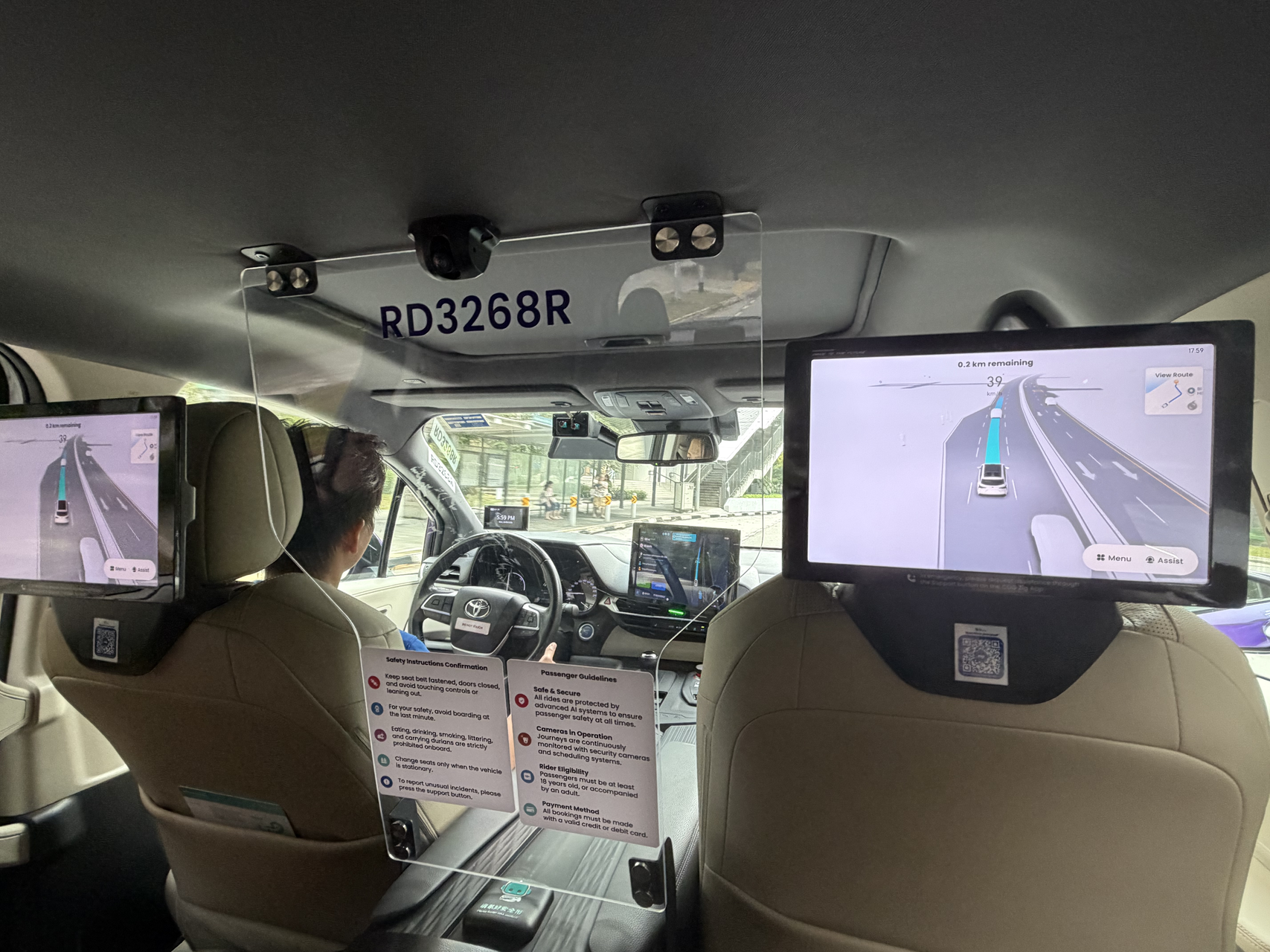
If driverless cars already work, why aren’t they everywhere?
People’s Daily rejects US claims of malicious AI distillation, warns of countermeasures

Sumsub Launches Workforce Verification as Deepfake Risks Grow
ByteDance’s AI-enhanced short-drama app eclipses China’s Netflix rivals combined

Timo Joins Top 10 Banks in Vietnam by Customer Satisfaction