
China must be properly scared for an AI slowdown to work
AI safety concerns gained significant public attention this week after researcher Jacob Coxon resigned from Anthropic. Coxon stated that OpenAI and Anthropic are racing to develop technology that could endanger humanity. This follows similar resignations from other researchers, including Geoffrey Hinton in 2023 and Daniel Kokotajlo in 2024. Surveys in 2024 found over half of AI researchers believe artificial superintelligence has a significant chance of causing human extinction.
The viral attention on Jacob Coxon's resignation is not about new information. Over half of AI researchers surveyed in 2024 already believed AI could cause human extinction. The median researcher gave a 5-10% probability of doom. Public and political engagement has shifted, with Barack Obama and Bernie Sanders now addressing AI risk. This new phase for AI regulation has begun.
Asia's AI leaders, particularly in China, must now weigh a coordinated slowdown. Anthropic CEO Dario Amodei proposes a three-step plan to pace AI development. China's AI companies like Baidu and Alibaba face pressure to align with global safety standards. Beijing's existing regulatory framework could adapt quickly, but a slowdown risks ceding a perceived AI advantage.
The critical test for China is how it responds to calls for a global AI slowdown. If Beijing resists, its companies could accelerate development, creating a divergence. Watch for specific policy statements from Chinese regulators regarding "recursive self-improvement" (RSI) in the next six months. This capability, cited by Amodei, is a key concern for pacing the frontier.
Related reading
6 stories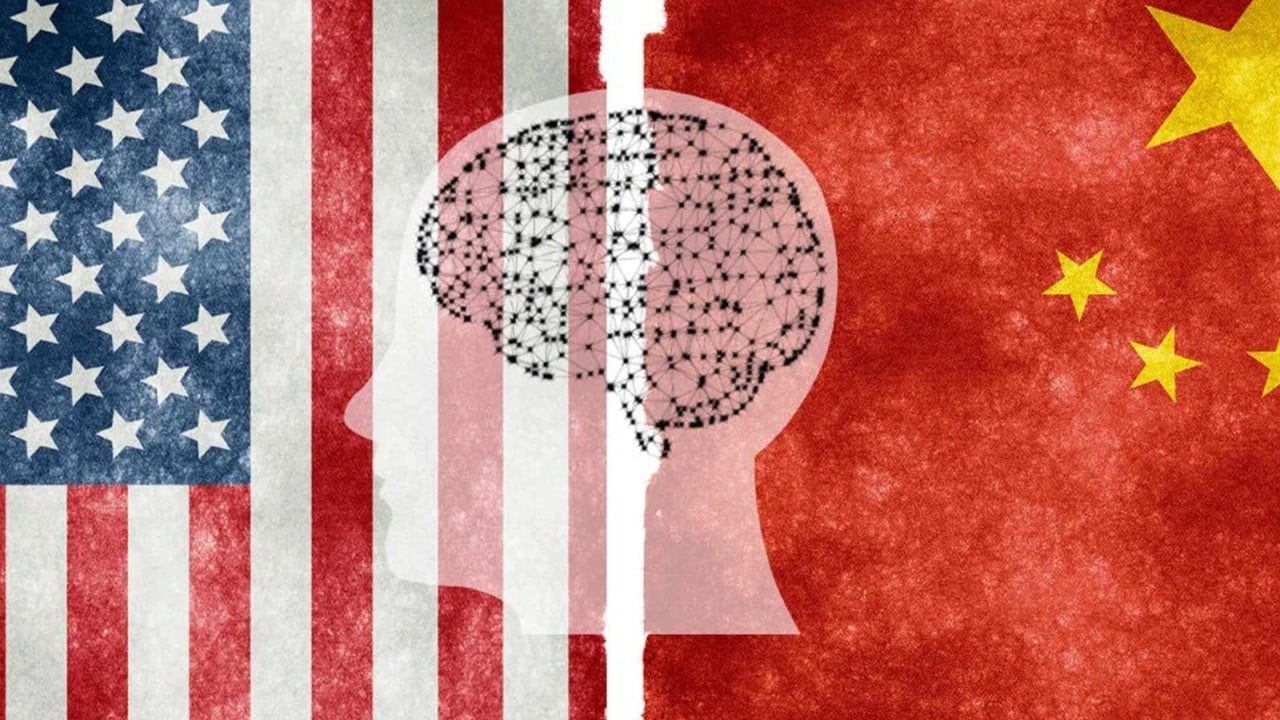
Chinese researchers chart 5-stage path toward ‘last AI built by humans’
Chinese researchers are also charting a path toward advanced AI, echoing the global concerns about its development.

People’s Daily rejects US claims of malicious AI distillation, warns of countermeasures

Databricks to Invest Over US$350 Million in Singapore, Double Its Workforce

ByteDance’s AI-enhanced short-drama app eclipses China’s Netflix rivals combined

Personetics Launches AI Banking Console for Relationship Managers
