China moves to end ‘irrational’ food-delivery subsidies and the sector’s price wars
Chinese authorities have introduced draft regulations aimed at curbing what they describe as “irrational” food-delivery subsidies and intense price wars within the sector. The proposed rules, open for public comment until July 17, target practices such as using subsidies to disrupt the market and selling goods at a loss. This move by the State Administration for Market Regulation (SAMR) signals Beijing’s ongoing efforts to regulate its tech giants and foster fairer competition. The regulations could significantly reshape the operational strategies of major food-delivery platforms in China.
This regulatory intervention by SAMR highlights China's continued push to rein in the market power of its large tech platforms, particularly in sectors like food delivery that have seen aggressive competition fueled by subsidies. The emphasis on preventing "irrational" subsidies and selling at a loss reflects a broader policy goal of fostering sustainable growth over market share dominance at any cost. This shift could lead to more stable pricing and potentially improved profitability for platforms, but also higher costs for consumers and reduced incentives for innovation driven by intense competition.
For Asia's tech ecosystem, this development underscores a trend of increasing regulatory scrutiny across the region, albeit with varying degrees of intensity. While other Asian markets might not adopt identical measures, China's actions often serve as a bellwether for potential future regulatory directions, especially concerning platform monopolies and consumer protection. It signals a move away from a laissez-faire approach to digital economies, prioritizing market stability and fair play over unchecked expansion, which could influence how startups and established tech companies operate and strategize across the continent.
Related reading
6 stories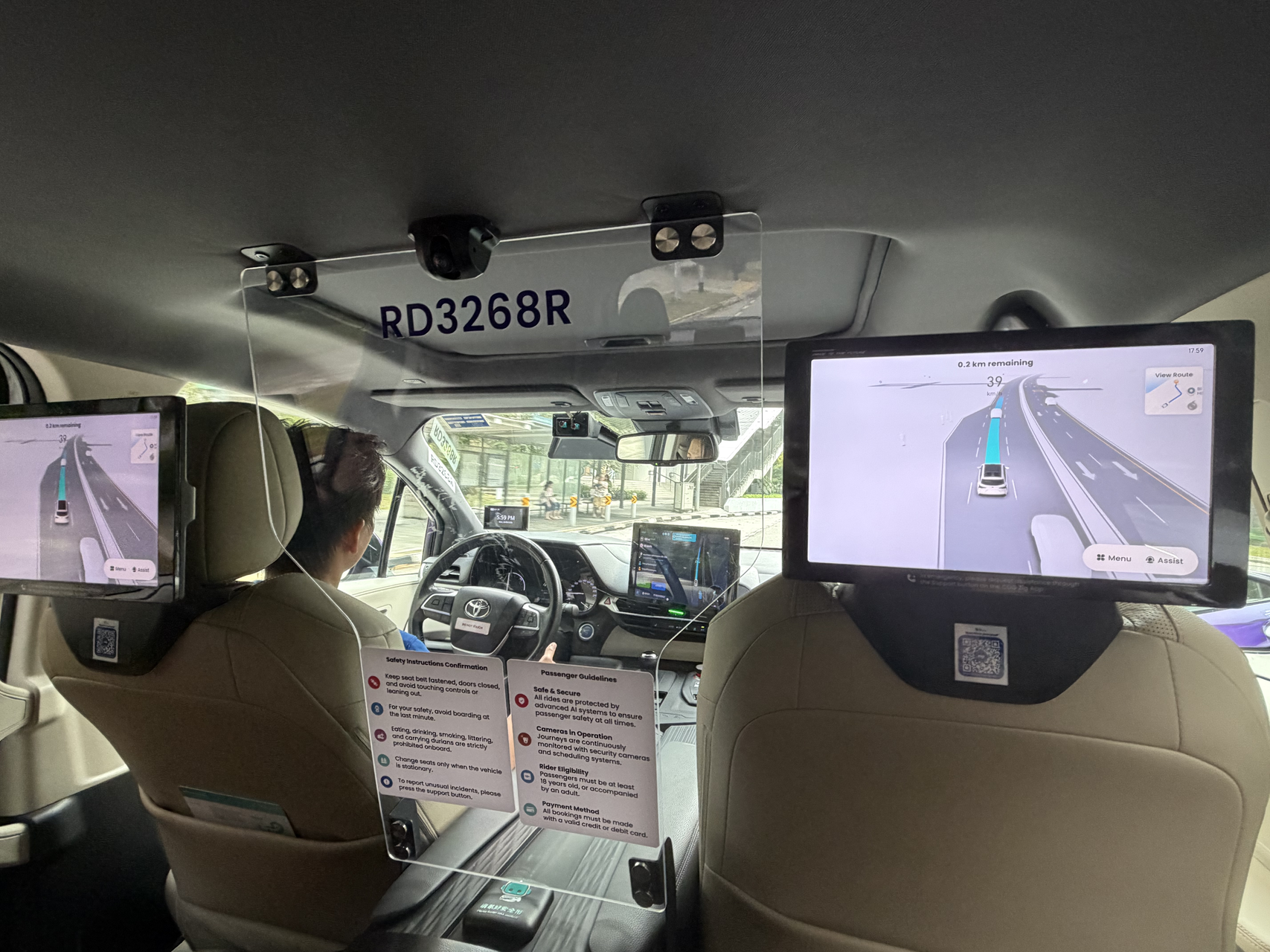
If driverless cars already work, why aren’t they everywhere?
People’s Daily rejects US claims of malicious AI distillation, warns of countermeasures

Sumsub Launches Workforce Verification as Deepfake Risks Grow
ByteDance’s AI-enhanced short-drama app eclipses China’s Netflix rivals combined

Timo Joins Top 10 Banks in Vietnam by Customer Satisfaction