
China and the US are racing ahead on AI. Can they manage risks together?
Leading scholars and industry leaders called for US-China collaboration on AI safety at the FutureChina Business Forum in Singapore. They urged the two superpowers to establish guardrails for artificial intelligence. Jude Blanchette of Macro Advisory Partners emphasized the shared concerns about emerging technologies. He cited both AI and robotics as areas for common ground. The world is entering a "technocene" shaped by exponential technological leaps.
The call for US-China AI cooperation, while well-intentioned, overlooks the fundamental geopolitical reality. Beijing prioritizes national security and technological self-sufficiency above all else. Any joint framework would demand a level of transparency and trust that simply does not exist between the two nations today. The "technocene" Blanchette describes is more likely to be defined by competition than collaboration.
For Asia, this means a continued bifurcation of AI development and standards. Countries like Singapore and South Korea will face increasing pressure to choose between US and Chinese technological ecosystems. This split will complicate cross-border data flows and AI model interoperability. Asian companies should prepare for diverging regulatory landscapes rather than a unified global approach.
The test for any real collaboration is a concrete, verifiable agreement on export controls for advanced AI chips. Without a shared understanding on what constitutes a dual-use technology, talks remain largely symbolic. Watch for any movement on specific hardware restrictions, which would signal a genuine shift in US or Chinese policy.
Related reading
6 stories
China overtakes US as top workplace for elite AI researchers, study finds

Pine Labs Taps Google Cloud to Build Agentic AI Infrastructure
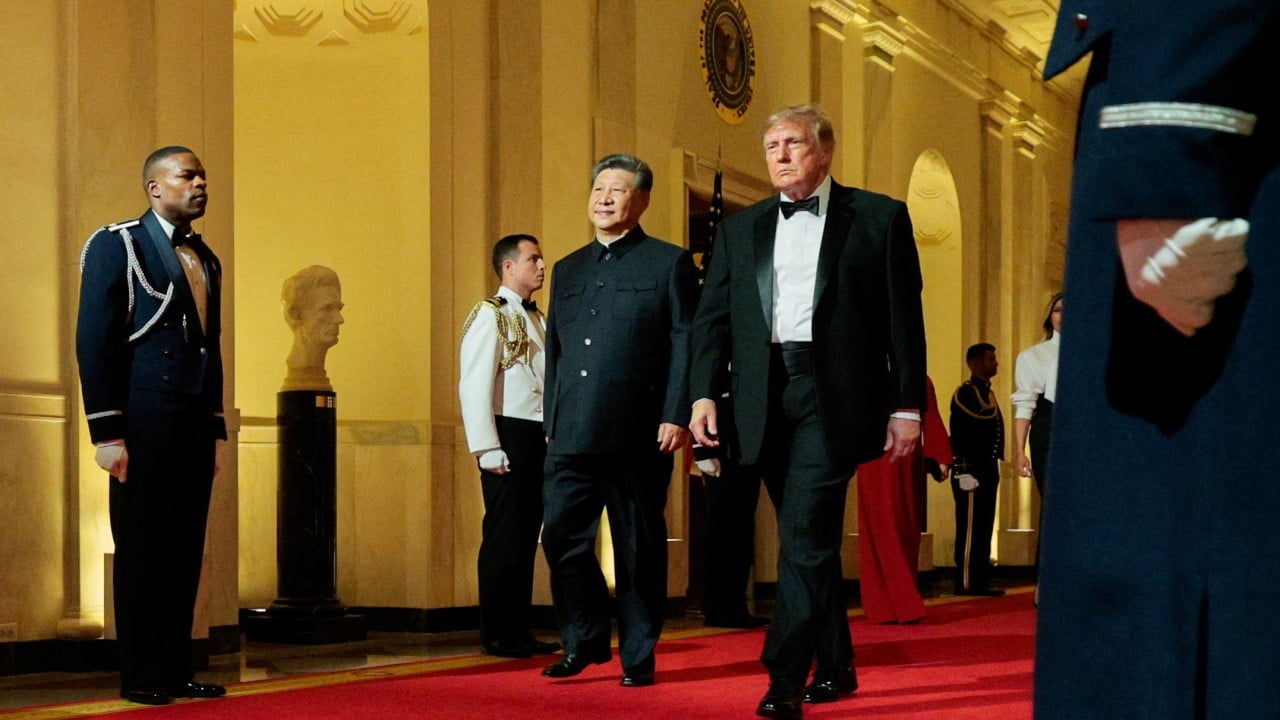
Xi at White House, trade-war truce extension, Golden Week travel

Xi-Trump dinner puts US tech titans in spotlight – what does it mean for China ties?

Over 1 in 10 Frauds Now Involve an Identity That Is Not Real
