
Beijing says US firms train AI models on Chinese examples
Beijing has accused US firms of utilizing Chinese data to train their artificial intelligence models. This accusation comes after Washington previously threatened sanctions against Chinese companies, alleging they stole American technology. The ongoing dispute highlights the escalating tensions and mistrust between the two global powers in the critical field of AI development. Both nations are increasingly scrutinizing the origins and usage of data in AI training, viewing it as a matter of national security and economic competitiveness. This development underscores the complex geopolitical landscape surrounding technological innovation and intellectual property.
This report from Beijing signals a significant escalation in the US-China tech rivalry, particularly concerning artificial intelligence. The accusation that US firms are training AI models on Chinese examples directly counters Washington's prior claims of Chinese intellectual property theft. This tit-for-tat dynamic underscores a deepening distrust and a struggle for dominance in the foundational aspects of AI development – data acquisition and model training. For Asia's tech ecosystem, this means increased scrutiny on data flows and partnerships, potentially leading to a more fragmented global AI landscape where data sovereignty becomes a paramount concern for regional players.
The implications for market dynamics are substantial. Companies operating across both US and Chinese spheres of influence will face heightened pressure to demonstrate the provenance and ethical use of their training data. This could accelerate the development of localized AI solutions and data infrastructure within Asian markets, as firms seek to mitigate geopolitical risks. Furthermore, it highlights the strategic importance of domestic data resources for national AI capabilities, pushing governments across Asia to implement stricter data governance frameworks and invest in indigenous AI research and development to reduce reliance on external technologies.
Related reading
6 stories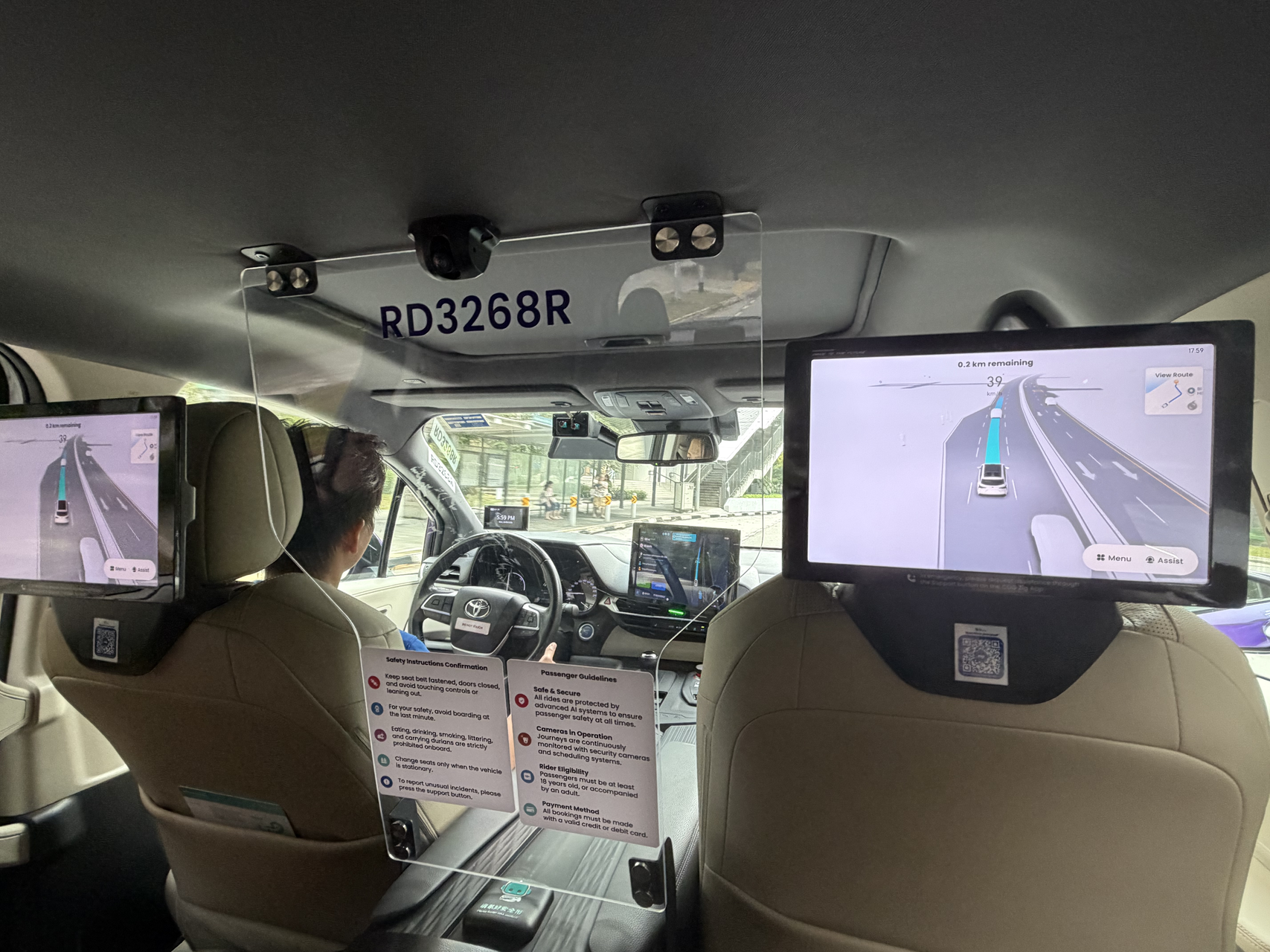
If driverless cars already work, why aren’t they everywhere?
People’s Daily rejects US claims of malicious AI distillation, warns of countermeasures

Databricks to Invest Over US$350 Million in Singapore, Double Its Workforce

Sumsub Launches Workforce Verification as Deepfake Risks Grow

Personetics Launches AI Banking Console for Relationship Managers
