Bank of Japan set to raise interest rates to 31-year high
The Bank of Japan raised its policy rate to 1.25 percent, a 31-year high, by a 7-2 vote. This marks the first hike in three months. The move aligns with other major central banks fighting global inflation. However, the yen initially fell to 156.91 per US dollar after the announcement, as the market expected bolder tightening.
Japan’s interest rate hike to 1.25 percent, while a 31-year high, failed to strengthen the yen. The market focused on the lack of explicitly hawkish guidance and two dovish dissenters. This suggests a cautious approach from the Bank of Japan, even as underlying inflation approaches its 2 percent target.
The slow pace of BOJ rate hikes has weakened the yen, increasing import costs across Asia. This impacts Japanese tech manufacturers relying on imported components. A weaker yen also makes Japanese assets cheaper for foreign investors, potentially attracting more investment into tech startups. However, it also raises the cost of capital for Japanese firms seeking international expansion.
The critical factor to watch is whether the BOJ maintains its cautious stance. If core consumer inflation stays near 2 percent, as it did in August, pressure for further hikes will build. The market expects rates to reach 1.5 percent by March 2027, a forecast that could change quickly with any hawkish shift.
Related reading
6 stories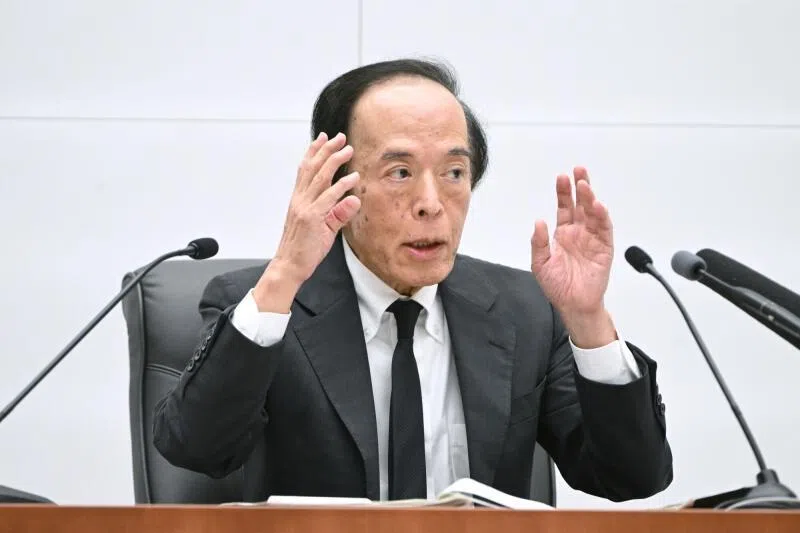
Bank of Japan lifts interest rates to 31-year high
We previously reported on the Bank of Japan's decision to lift interest rates to a 31-year high.
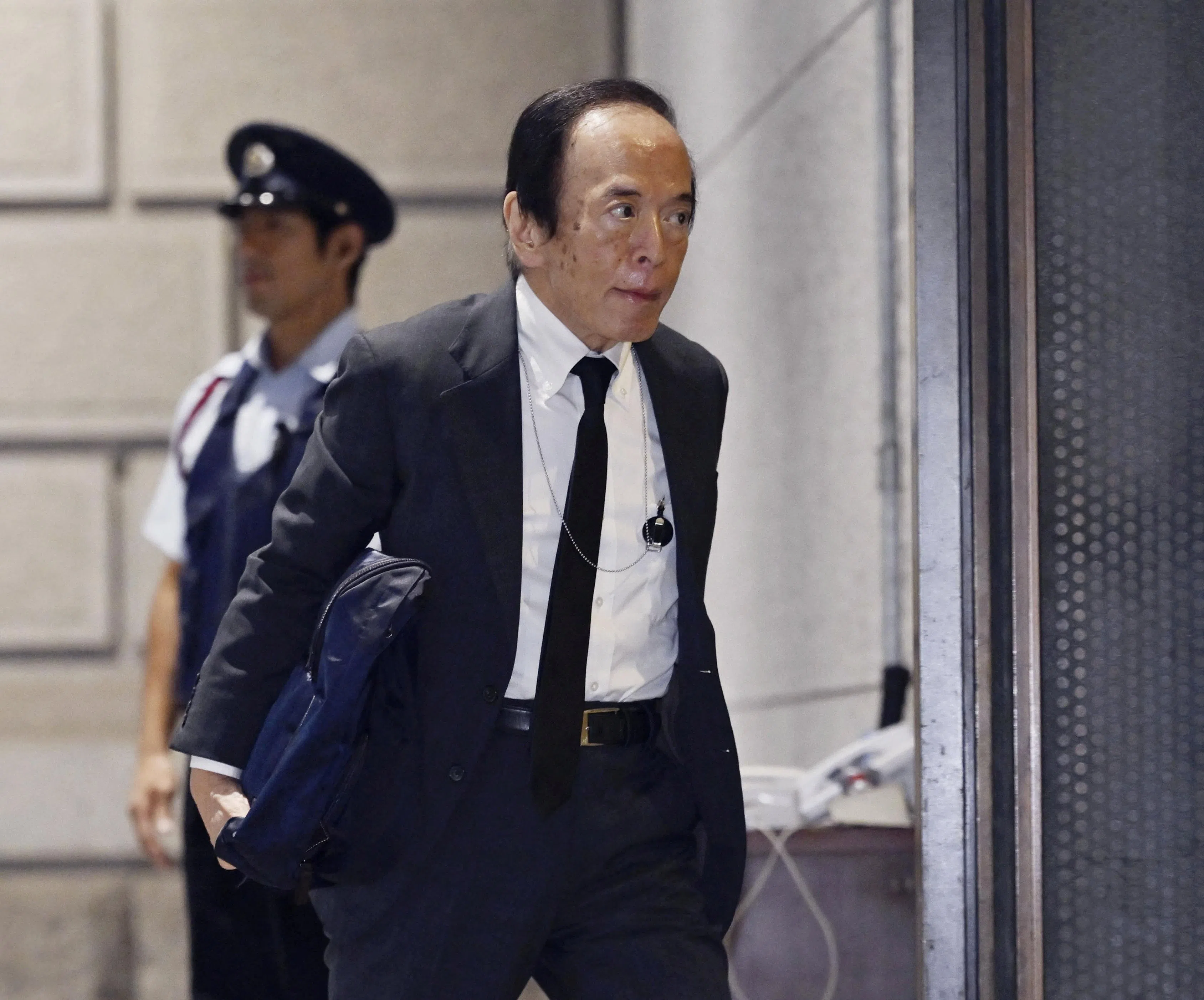
Bank of Japan raises rate to 31-year high of 1.25% as inflation risks mount
Our earlier coverage detailed the Bank of Japan's rate hike to 1.25% amid rising inflation risks.

OCBC Extends Bank of Ningbo Partnership as 20 Percent Shareholder

Singapore Retailers Embrace AI; Consumers Are More Cautious

Atome Deal Could Lift Grab’s 2028 Earnings by Up to US$220 Million