
The Uptake | Good enough for what?
Autonomous vehicle deployment faces hurdles beyond technical capability. Passenger comfort and regulatory clarity are critical for adoption. Waymo reports fewer injury-causing crashes than human drivers in its operating areas. Despite this, services remain confined to specific boundaries. In Singapore's Punggol, nearly 60% of autonomous shuttle passengers wanted more flexibility in boarding and alighting, even though most felt safe.
The core challenge for autonomous vehicles is not just technical safety, but defining "good enough" for real-world use. Waymo's safety record, with fewer injury-causing crashes than human drivers, proves the technology's capability in controlled environments. However, public acceptance requires more than just accident reduction. People need to trust the machine's decisions and find the service convenient.
This nuanced understanding of "good enough" is particularly relevant for Asia's smart city initiatives. Singapore's Punggol experience shows that even with high safety satisfaction, passengers demand practical utility. Almost 60% of surveyed passengers wanted more flexibility in pick-up and drop-off points. This indicates that operational convenience, not just safety, will drive adoption in markets like Singapore and China, where urban density makes last-mile efficiency crucial.
The test for regulators in markets like China and Singapore is to integrate these services into existing transport networks. Advancing self-driving technology alone will not resolve questions of accountability or operational fit. The focus must shift to how these vehicles serve practical passenger needs and how authorities can create workable rules for widespread deployment beyond limited zones.
Related reading
6 stories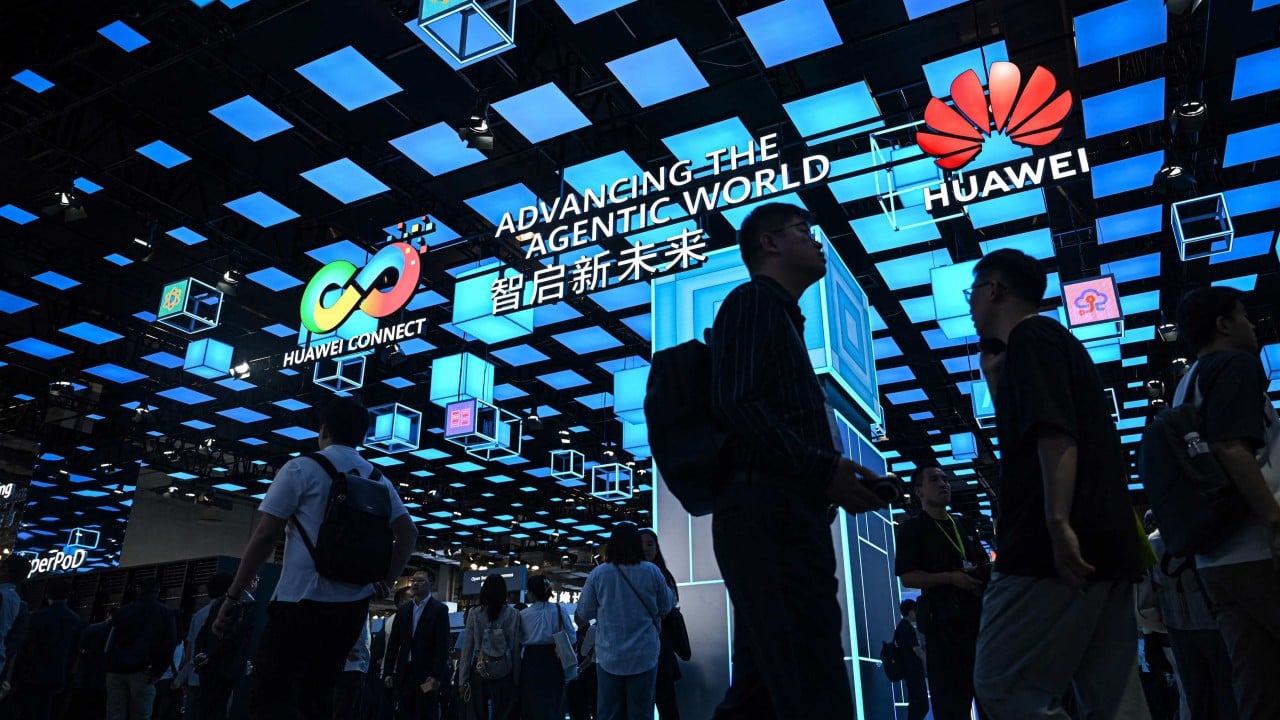
China to see major shift to Huawei for AI model training in 2027: rotating chair

China has gained pace in the space race by recovering rockets – but can it relaunch one?

UN turns to Google to make its global data ready for AI agents
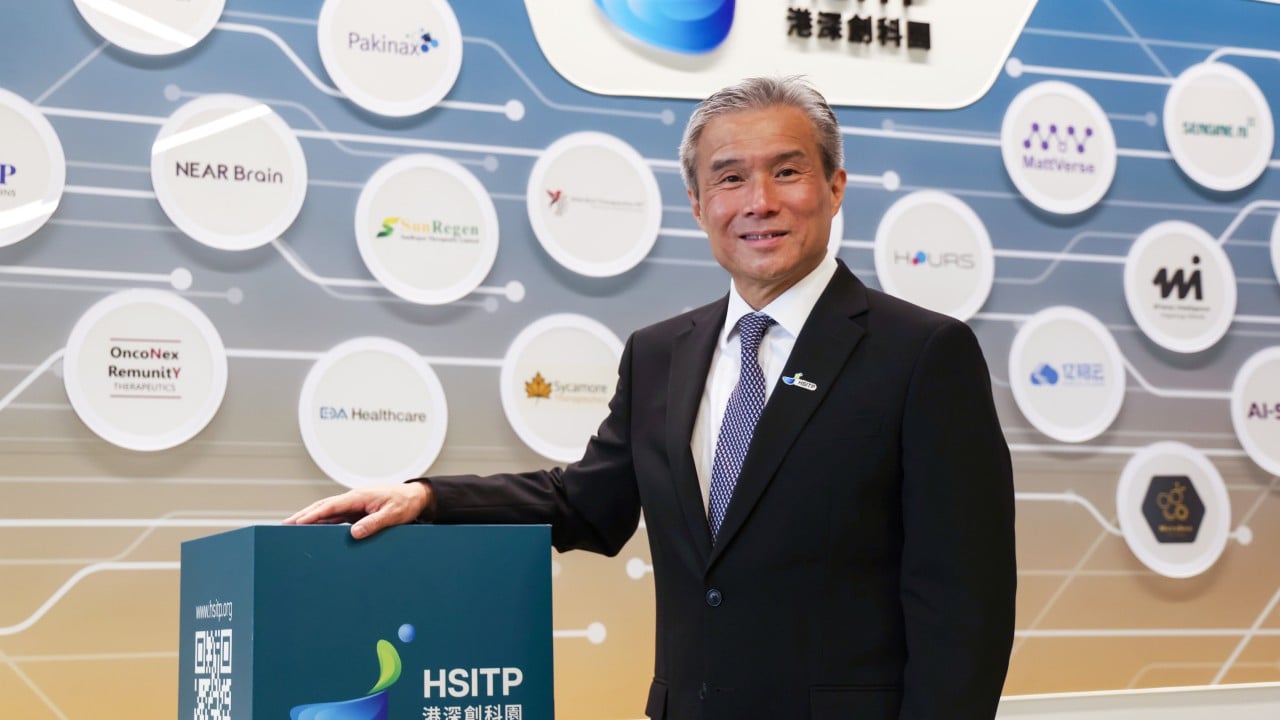
100 start-ups joining Hong Kong’s flagship tech hub to get top mentors

Huawei plans Q1 2027 launch of new AI chip as it takes on Nvidia
