Backbase Adds Mastercard’s AI Tools to Its Banking OS
Mastercard and Backbase are deepening their collaboration, integrating Mastercard’s AI, data insights, and ecosystem capabilities into the Backbase AI-native Banking Operating System. This partnership provides banks with tools for personalization, analytics, customer engagement, and cyber resilience. It marks their second collaboration this year, following the June integration of Mastercard Move for cross-border payments. Financial institutions will gain direct access to four Mastercard capabilities: Dynamic Yield for personalization, Test & Learn for impact assessment, SpendingPulse for economic insights, and Cyber Quant for cyber risk assessment. Both companies emphasize an agentic AI model, where AI systems act on behalf of customers within defined consent parameters.
This collaboration between Mastercard and Backbase is less about a new product and more about accelerating the adoption of agentic AI in banking across Asia. By embedding Mastercard’s AI tools directly into Backbase’s platform, banks in markets like Singapore and Hong Kong can move beyond pilot programs to implement AI solutions for personalization and risk assessment. The move reflects a broader industry shift, as noted by Selin Bahadirli of Mastercard, from AI experimentation to execution, which is critical for financial institutions seeking to enhance customer experience and operational efficiency. The integration of capabilities like SpendingPulse offers regional banks granular economic insights, a valuable asset in Asia’s diverse and rapidly evolving markets. The key thing to watch is the actual deployment rate and measurable impact on customer engagement and cyber resilience within Asian banks. While the promise of agentic AI is significant, as demonstrated by Mastercard’s Agent Pay transaction in the UAE in late 2025 and Backbase’s acquisition of Kasisto in June 2026, the real challenge lies in seamless integration and user adoption across varied regulatory environments. This partnership provides a structured pathway, but success hinges on how effectively banks can operationalize these advanced AI tools to deliver tangible business outcomes rather than just theoretical benefits.
Related reading
6 stories
Longbridge rolls out external AI integrations as brokerages rethink the trading experience
We recently saw Longbridge integrate external AI, reflecting this same industry shift towards AI execution in finance.
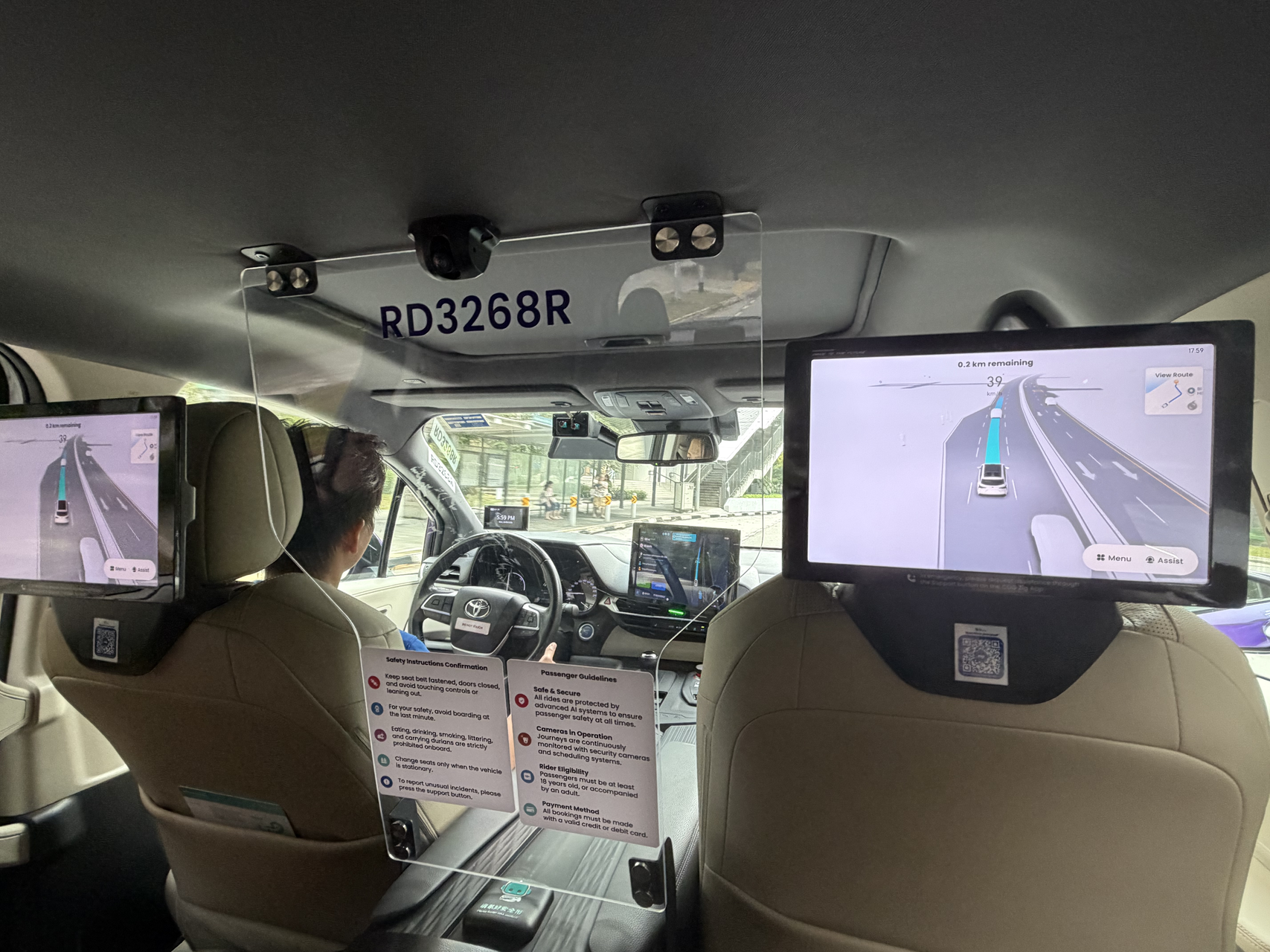
If driverless cars already work, why aren’t they everywhere?
People’s Daily rejects US claims of malicious AI distillation, warns of countermeasures

Databricks to Invest Over US$350 Million in Singapore, Double Its Workforce

Sumsub Launches Workforce Verification as Deepfake Risks Grow