ASEAN oil stockpile plan gains traction
ASEAN is advancing a regional initiative for joint oil stockpiling, with a study from the Economic Research Institute for ASEAN and East Asia (ERIA) expected by November. This plan, championed by Philippine President Marcos, aims to create a coordinated regional oil and gas reserve to stabilize fuel prices, particularly in response to disruptions like the Middle East conflict. Trade Secretary Cristina Roque confirmed that Indonesia, Singapore, Malaysia, Thailand, and Vietnam, along with the United Arab Emirates, have expressed support for maintaining oil reserves within their borders. The initiative is a key priority for the Philippines during its ASEAN Summit chairmanship this year. Additionally, negotiations for the Digital Economy Framework Agreement (DEFA) have concluded, with a potential signing in November, aiming to boost ASEAN’s digital economy to an estimated $3 trillion by 2030.
The ASEAN oil stockpile plan, while seemingly a traditional energy security measure, carries significant implications for regional economic stability and digital infrastructure. The Philippines, as chair of the ASEAN Summit, is pushing for this initiative to mitigate future fuel price surges, a critical factor for manufacturing and logistics across Southeast Asia. The involvement of five ASEAN nations and the UAE suggests a pragmatic approach to energy resilience, even if full regional consensus is not immediately achieved. This effort to secure energy supply directly impacts the operational costs and investment climate for tech companies and startups reliant on stable economic conditions. Simultaneously, the impending Digital Economy Framework Agreement (DEFA) is a more direct and potentially transformative development for Asia’s tech sector. With negotiations concluded and a signing anticipated by November, DEFA aims to enhance cooperation in e-commerce, digital trade, cybersecurity, and digital payments. This agreement is projected to expand ASEAN’s digital economy to $3 trillion by 2030, creating a more integrated and secure digital market for startups and established tech firms alike. The dual focus on energy security and digital integration reflects a comprehensive strategy to bolster the region's economic foundation for technological growth. The thing to watch is the actual implementation and coordination mechanisms for both the oil stockpile and DEFA. While the commitment from several countries for oil reserves is a positive step, the effectiveness will depend on the scale and accessibility of these reserves. For DEFA, the legal review and subsequent enforcement of its provisions will determine its real impact on cross-border digital operations and the ease of doing business for tech companies in the region.
Related reading
6 stories
Digital tool helps SMEs reduce expenses
Stable energy costs, as this article discusses, directly impact SME expenses, a topic we explored previously.
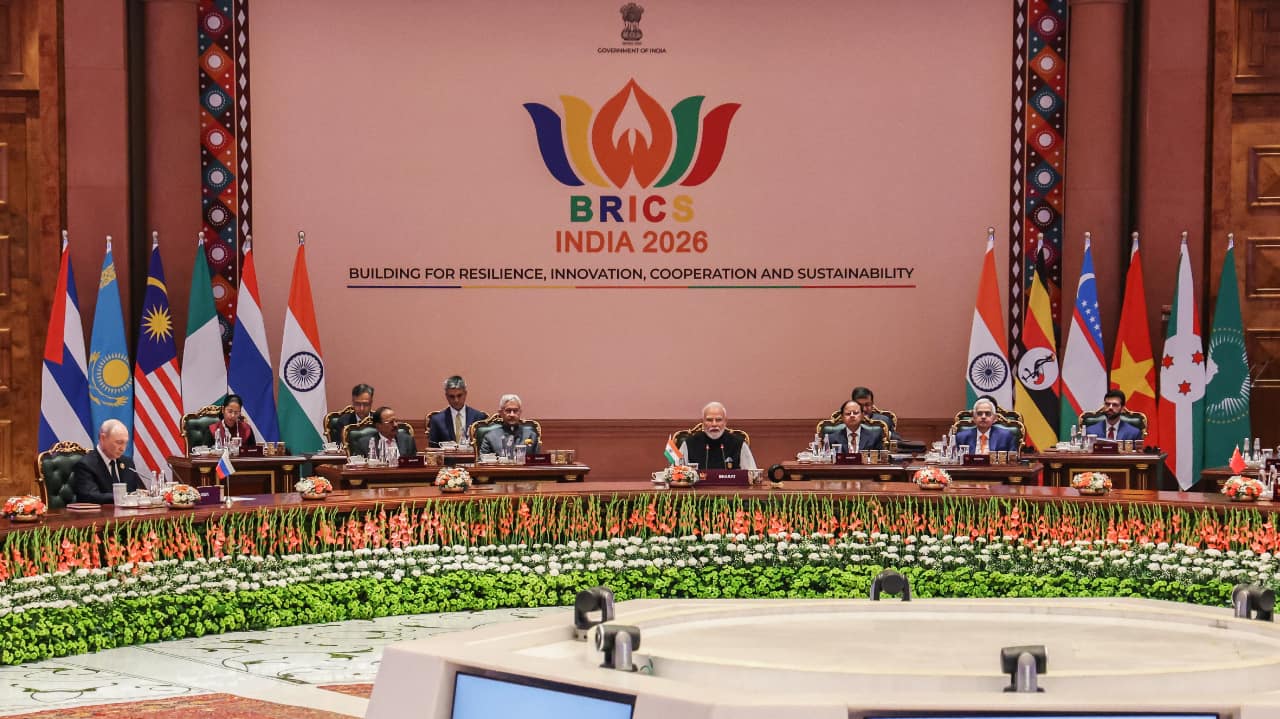
BRICS 2026 workplan seeks internationalisation of MSMEs with wider trade finance, proposes startup innovation fund
Energy security underpins regional economic stability, crucial for MSME internationalisation and startup innovation funds.

HSBC Gives Wealthy Singapore Clients Access to Private Markets

OpenAI said to explore pre-IPO funding at $1.2T valuation

Samsung Starts Trial Production of Tesla AI Chips in Texas