As China-US space race heats up, Shanghai unveils space-computing hub
Shanghai has launched a new space-computing industry hub in its Songjiang district, coinciding with an inaugural forum on the topic. The initiative aims to advance in-orbit data processing, bringing together aerospace developers, semiconductor makers, AI specialists, cloud vendors, researchers, and investors. This move supports China's ambition to build an orbital data ecosystem and compete with the US in the commercial space sector. Songjiang is already a key location for China’s satellite supply chain, hosting companies like SpaceSail, which plans to deploy a 15,000-satellite mega-constellation by 2030.
Shanghai's new space-computing hub in Songjiang district is a concrete step in China's push for an orbital data ecosystem. The initiative brings together key players from aerospace, semiconductors, and AI to develop in-orbit data processing capabilities. This technology allows satellites to analyze data directly, reducing reliance on ground stations and speeding up real-time intelligence, which has clear applications for defense and commercial services. The long-term vision includes solar-powered orbital data centers, easing pressure on land-based power grids. This is a significant infrastructure play, not just a research project. China's SpaceSail aims for a 15,000-satellite constellation by 2030, a direct challenge to SpaceX's Starlink. The scale of this ambition is a key indicator of the resources being committed. The thing to watch is how quickly this hub translates into tangible deployments and commercial services, especially given the technical complexity and capital intensity of space infrastructure. The integration of AI and semiconductor expertise directly into the space sector reflects a broader national strategy to control critical technology stacks. This is not merely about launching more satellites; it is about creating a self-sufficient data processing capability in orbit. For Asia, this development positions China as a leader in a nascent but strategically vital domain, potentially offering new services and setting new standards for regional space infrastructure.
Share this article
Related reading
6 stories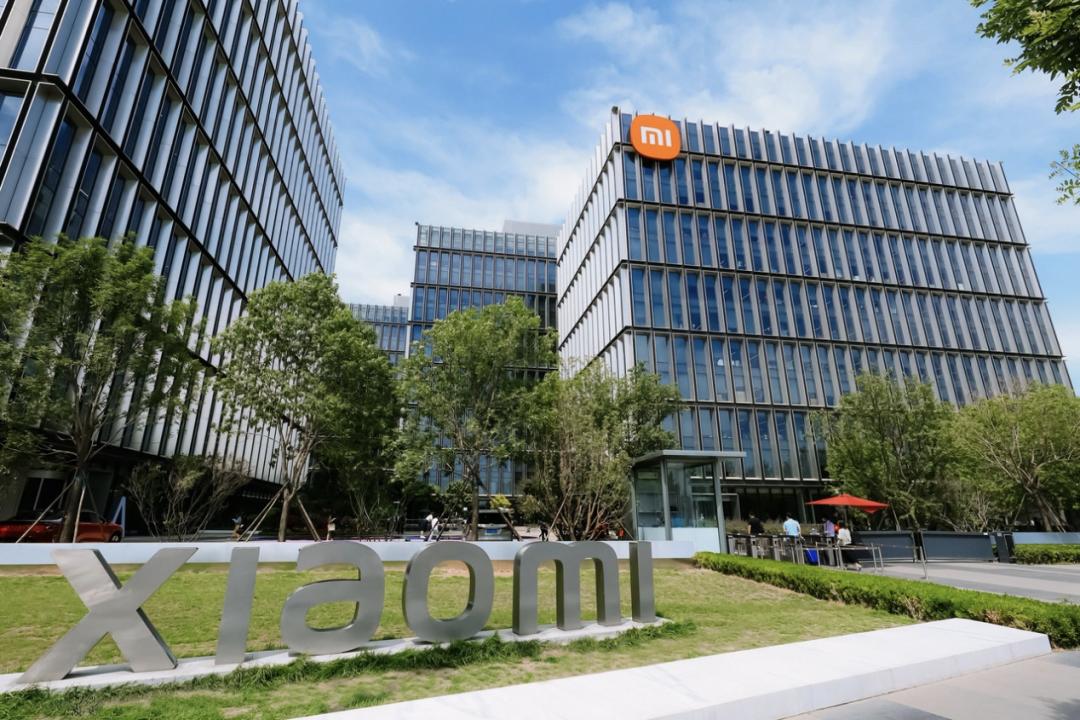
Xiaomi doubles down on in-house chips with Xring O3, O100, and D100
Xiaomi's focus on in-house chips highlights the broader push for self-reliance in critical tech, mirroring Shanghai's hub.
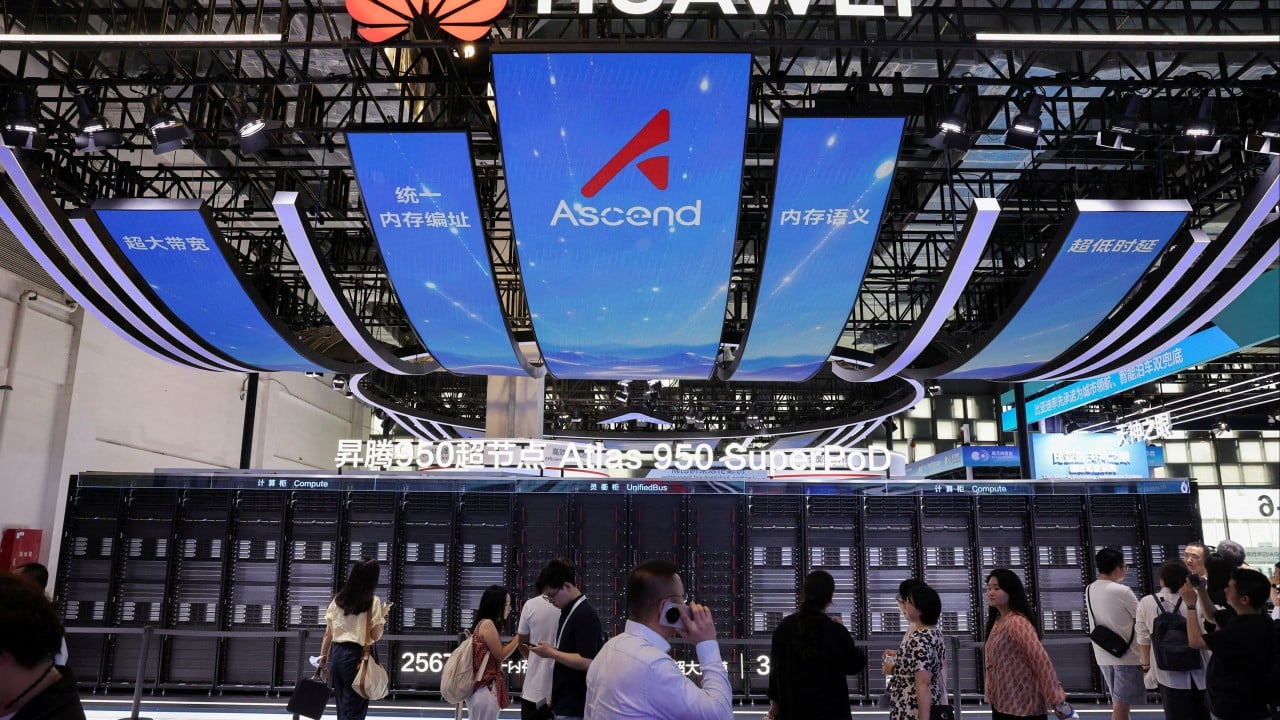
Huawei, with an eye on self-reliance, ploughs 25% of revenue into R&D at expense of profits
Huawei's massive R&D investment for self-reliance reflects the same strategic drive seen in China's space-computing ambitions.
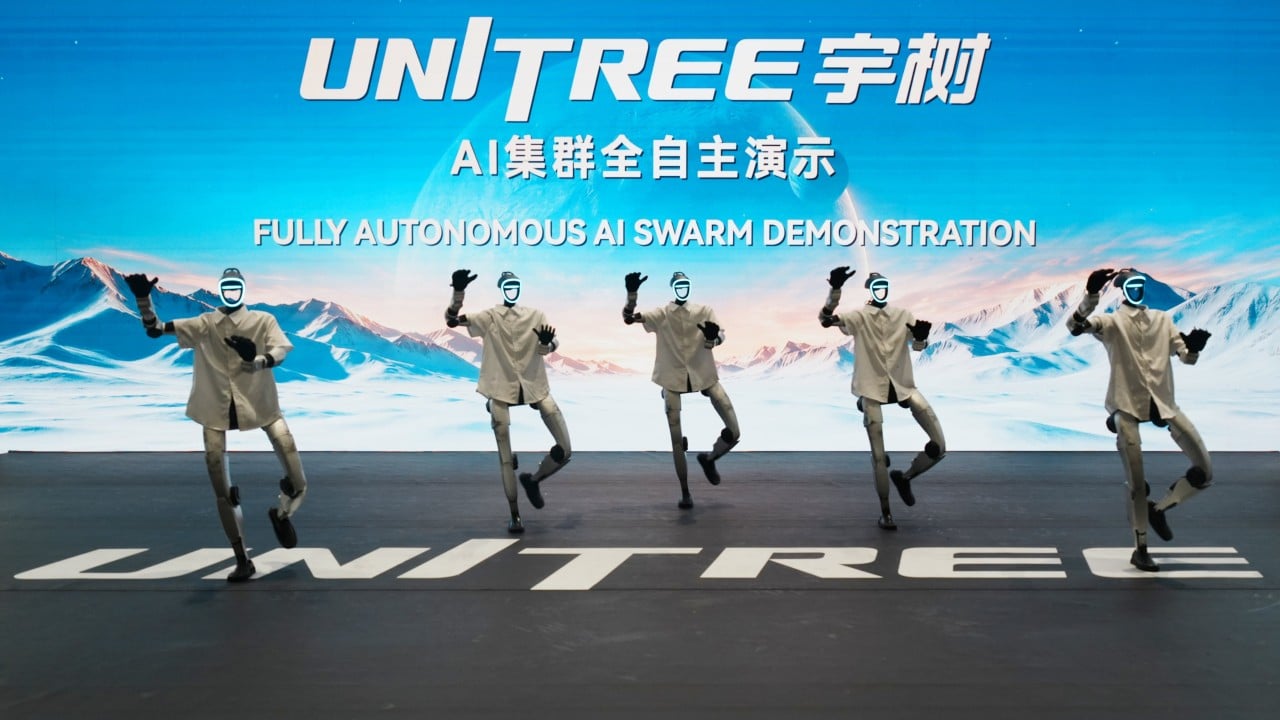
Unitree developing AI system to let humanoid robots improve themselves

Firm behind planned Anthropic data centre in Nova Scotia denies owing fees to N.L. (Canada)

Volkswagen’s Jetta M6 EV launched in China with up to 555 km range, starting at 11,900 USD