Huawei, with an eye on self-reliance, ploughs 25% of revenue into R&D at expense of profits
Huawei Technologies invested 25 percent of its first-half revenue into research and development, totaling 121.4 billion yuan (US$18 billion). This focus on long-term technological independence led to a 36 percent drop in net profit, which fell to 23.8 billion yuan from 37.2 billion yuan in the same period last year. Despite the profit decline, Huawei’s revenue for the first half rose 9.55 percent to 467.8 billion yuan, driven by strong smartphone sales and demand for AI chips. The substantial R&D expenditure also contributed to a negative net operating cash flow of 39.9 billion yuan.
Huawei’s decision to funnel 25 percent of its first-half revenue, or 121.4 billion yuan, into R&D underscores a clear commitment to self-reliance in technology. This aggressive investment, which led to a 36 percent profit drop, reflects a strategic pivot towards long-term independence, particularly in areas like AI chips and smartphone technology. The company's revenue still grew by 9.55 percent to 467.8 billion yuan, showing that market demand for its products, including AI processors, remains robust despite the financial impact of its R&D push. The thing to watch is how this sustained R&D spending impacts Huawei’s competitive position in the Chinese and broader Asian markets. While short-term profits are sacrificed, the investment in AI chips and core technologies could solidify Huawei’s domestic leadership and reduce its vulnerability to external supply chain pressures. This strategy could also spur other Chinese tech firms to increase their own R&D outlays, intensifying competition for talent and resources within the region’s technology sector.
Share this article
Related reading
6 stories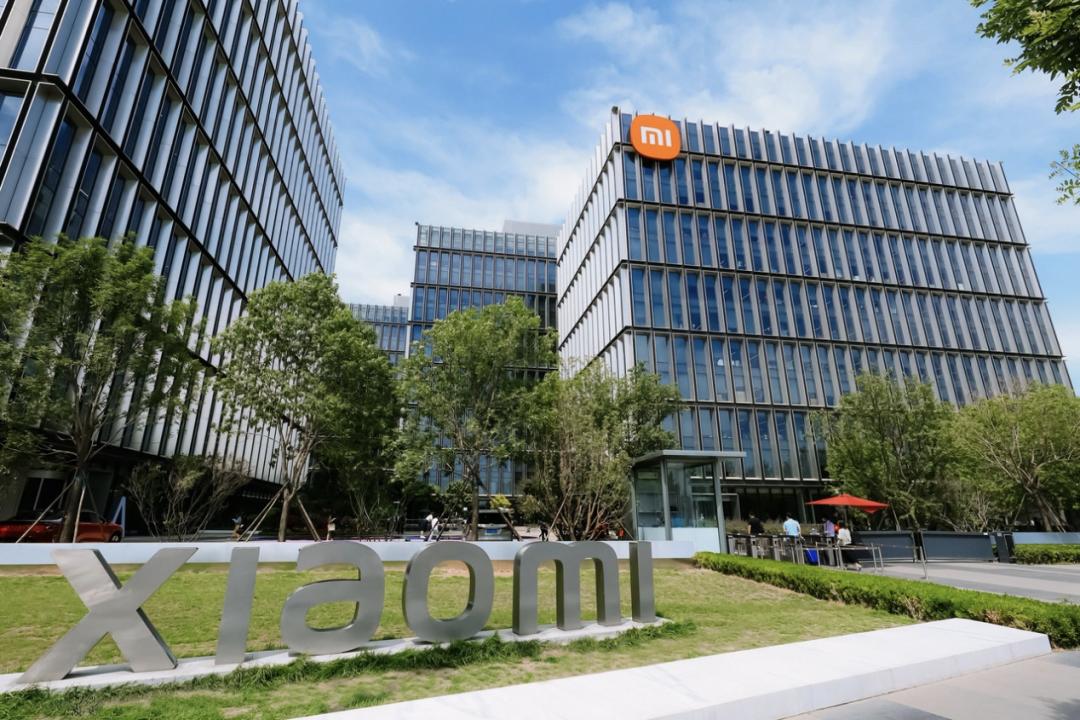
Xiaomi doubles down on in-house chips with Xring O3, O100, and D100
We previously covered Xiaomi's similar strategy of doubling down on in-house chip development for self-reliance.

Mastercard Launches AI Assistant to Simplify Card Benefits
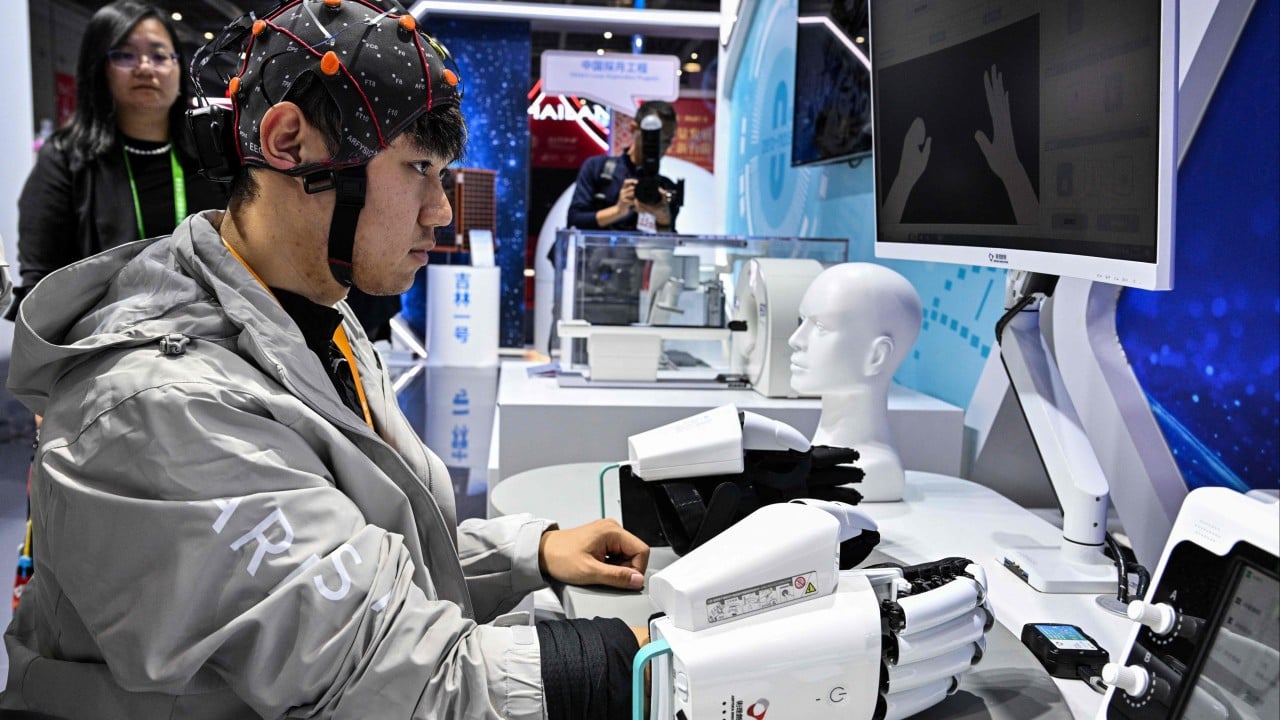
China moves to set global standards for brain-computer interface technology

Visa Tests AI-Powered Business Payments, Introduces New Fraud Controls
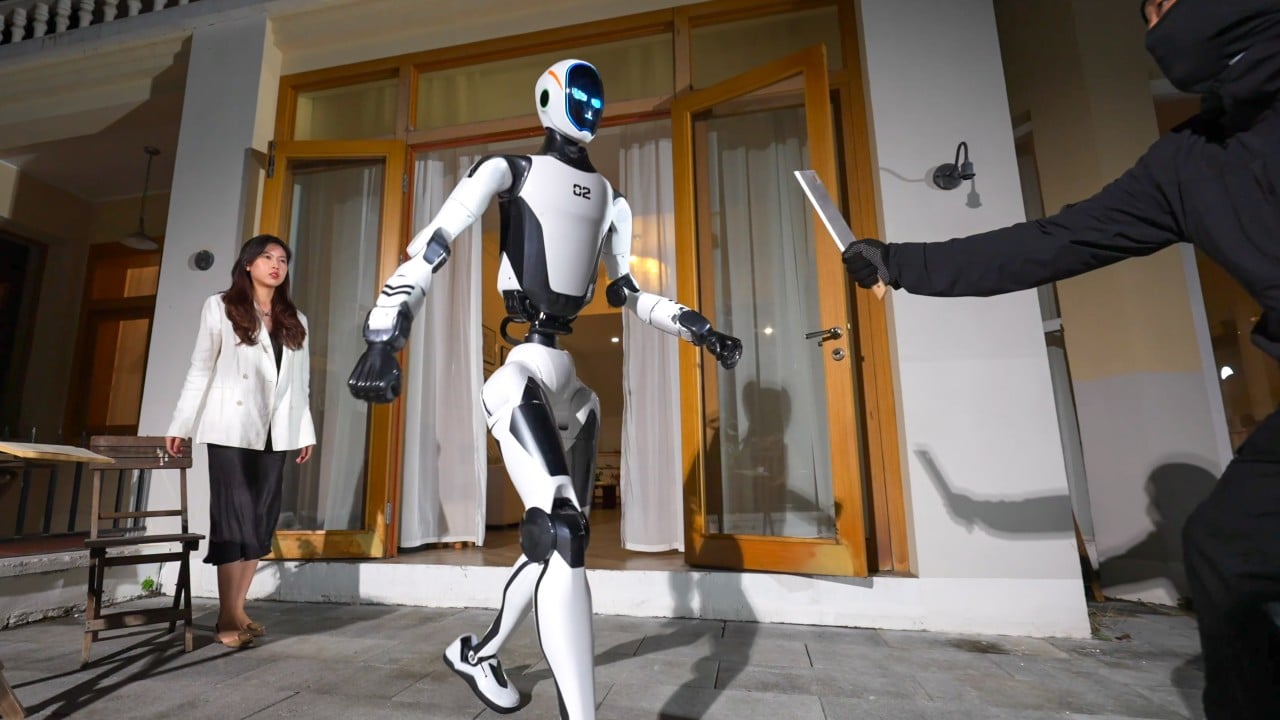
China’s Unitree unveils ‘guardian’ robot that can disarm attackers, lift cars