APAC Banks Rethink Legacy Issuing as Digital Payments Accelerate
APAC banks face pressure to modernize legacy issuing systems as digital payments accelerate. A KPMG International 2026 survey found 53% of banks cite outdated systems as a reason to modernize. In the first half of 2025, Indonesia's QRIS processed 6.05 billion transactions. Malaysia recorded three billion DuitNow QR transactions in 2025. Digital payments constituted 64.7% of Philippine retail payment volume in 2025.
The push for payment modernization in APAC is not about new features alone. It is about a fundamental shift from product-centric to lifecycle-centric issuing. Banks must manage physical cards, wallet tokens, and virtual cards as connected representations of a single customer relationship. This requires real-time platforms that understand customer, account, and transaction relationships.
For APAC banks, this means closing a significant challenger gap. Digital challengers build API-led stacks and release features in weeks. Incumbents often face custom development and limited release windows. The test for major players like HNB in Sri Lanka, which manages 2.5 million cards, is whether their modernized platforms can support both scale and continuous innovation.
The thing to watch is how quickly banks adopt a 'product factory' model. This approach reuses common capabilities like pricing and limits. It allows propositions to launch to defined segments, adjust based on real behavior, and then roll out widely. Delaying modernization widens the gap in product speed and revenue performance.
Share this article
Related reading
6 stories
Sri Lanka’s Union Bank Upgrades Legacy Credit Card System With BPC
Huawei, Qualcomm strike multi-year patent agreement across 5G, AI

A Chatbot Almost Started a War With China. The Scariest Part Wasn’t the AI’s Mistake

OpenAI's Altman says AI benefits warrant accepting some risks
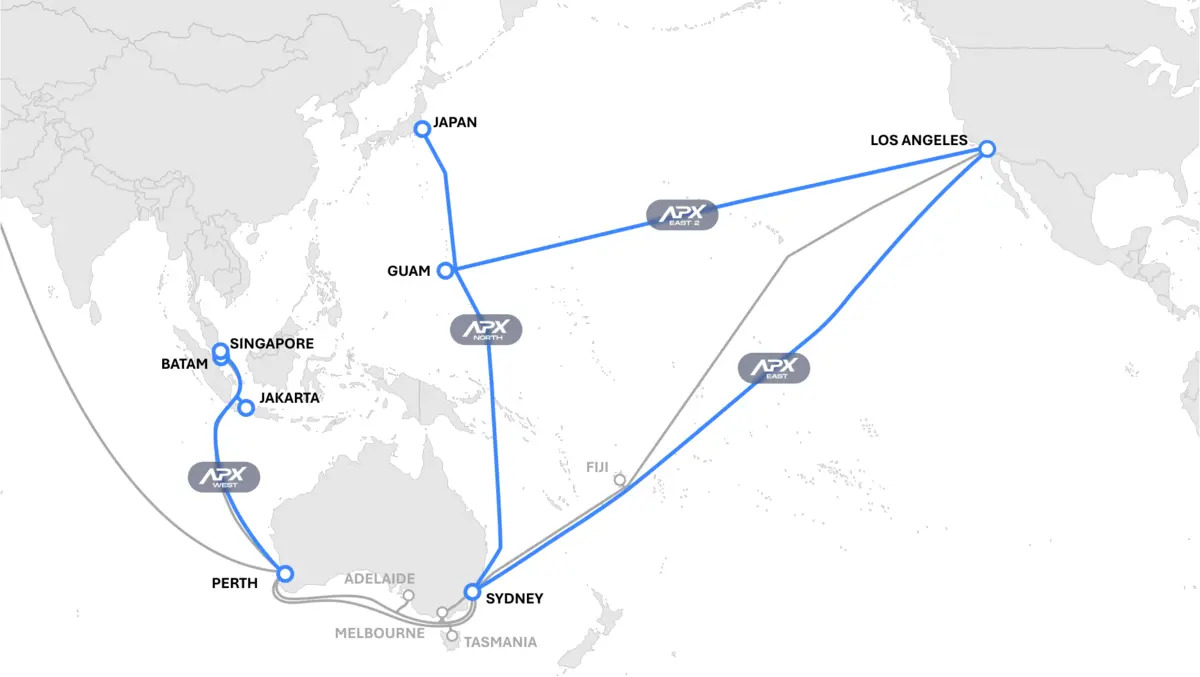
Subco unveils 40,000km Indo-Pacific subsea cable plan