After years of losses, Nio finally turns profitable
Nio has reported its third consecutive quarter of non-GAAP profit, reaching RMB 26.1 million (USD 3.9 million) in its latest quarter. This following years of cumulative losses totaling RMB 100 billion (USD 14.9 billion). The Chinese EV maker achieved this turnaround by overhauling its product strategy and tightening spending. Suppliers, who once feared Nio’s collapse, now see monthly shipments of 20,000 to 30,000 sets. The company also expanded its revenue streams by selling staff services and technology, including chips.
Nio's profit turnaround is not merely a financial blip. It reflects a fundamental shift in product strategy, moving away from founder William Li's personal design convictions. The company previously prioritized design over practicality, leading to cramped interiors and limited features. Nio's new ES8, ES9, and Onvo L90 models now offer larger bodies, roomy interiors, and features like refrigerators and sofa-like seats, which Li once resisted. This product recalibration directly translated to sales, with monthly figures reaching nearly 50,000 vehicles at one point.
The change in Nio's approach has implications for China's competitive EV market. By adopting features popularized by rivals like Li Auto, Nio is now better positioned to capture mainstream demand. Nio's monetization of its chip development helps spread the high R&D costs, which Li estimated could fund 1,000 battery swap stations. Selling chip technology to external customers and forming joint ventures like Chuangyuan Zhihang with Axera Semiconductor and OmniVision Group provides a new revenue stream, reducing dependence on vehicle sales alone. The test for Nio is whether its new focus on cost and market-driven design can sustain profitability against established players like Aito and Xiaomi, which are approaching 30,000 monthly sales.
The deeper story is Nio's internal transformation under William Li. He now takes a firmer hand in supply chain decisions, pushing for cost reductions and scrutinizing project approvals. Projects costing RMB 1 million or more now require his personal sign-off, a stark contrast to previous lax oversight. This shift from a big-picture, technology-first approach to granular cost control is crucial. It points to a more disciplined Nio that prioritizes financial returns. This internal rigor is the thing to watch; it will determine if Nio can maintain its profit trajectory beyond short-term product adjustments.
Share this article
Related reading
6 stories
Sri Lanka’s Union Bank Upgrades Legacy Credit Card System With BPC
Huawei, Qualcomm strike multi-year patent agreement across 5G, AI

A Chatbot Almost Started a War With China. The Scariest Part Wasn’t the AI’s Mistake

OpenAI's Altman says AI benefits warrant accepting some risks
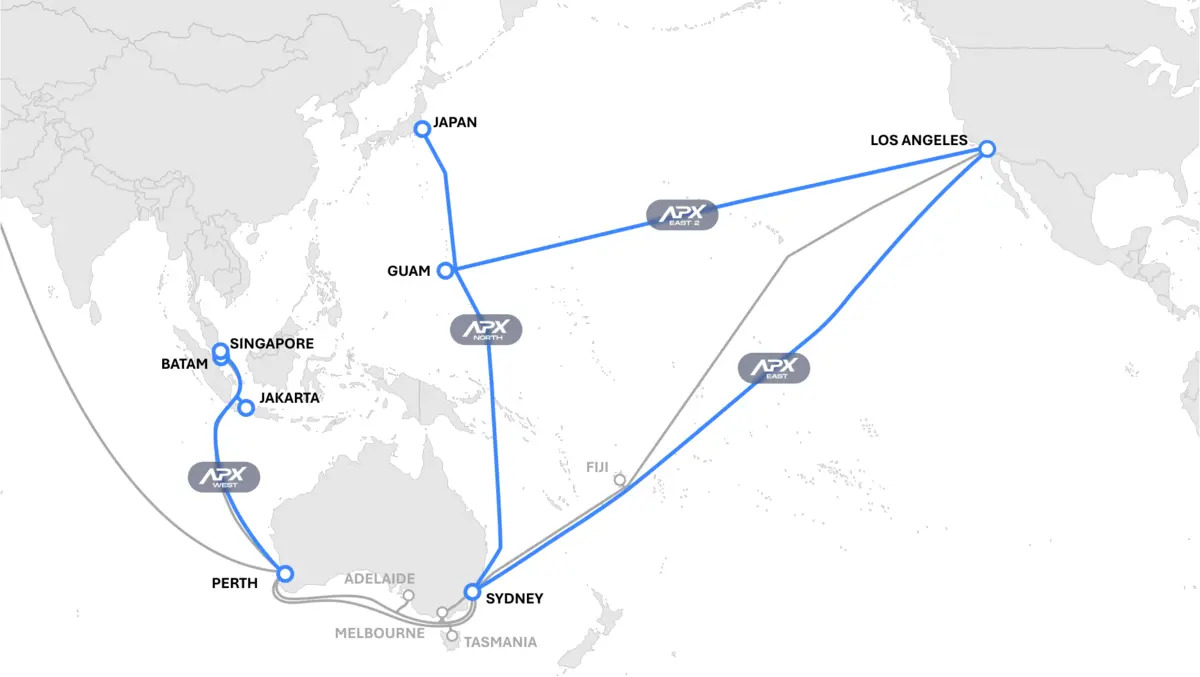
Subco unveils 40,000km Indo-Pacific subsea cable plan