
Anthropic CEO calls to 'slow the pace' of AI development amid safety concerns
Anthropic CEO Dario Amodei has called for a deliberate slowdown in AI development to prioritize safety and allow for the implementation of robust risk prevention safeguards. Amodei outlined a three-pronged approach, including giving external evaluators employee-like access to monitor safety procedures and encouraging widespread safety protocols among AI companies and democratic governments. He also urged democratic nations to pressure authoritarian governments, such as China, to prohibit the development of dangerous AI applications. Anthropic itself is unilaterally committing to enhanced external oversight, underscoring its commitment to safety and alignment work. This proposal follows recent warnings from current and former AI industry employees regarding the technology's potential dangers.
Anthropic's call for a measured pace in AI development, while framed globally, holds particular relevance for Asia's burgeoning AI sector. The emphasis on external evaluators and widespread safety procedures could influence how Asian AI companies approach model development and deployment. The proposal to pressure authoritarian governments, specifically mentioning China, to curb dangerous AI uses directly impacts the region's geopolitical tech landscape and could lead to increased scrutiny or collaboration on AI governance. This suggests a potential shift towards more regulated AI development, moving beyond a pure capability race. The concrete commitment by Anthropic to grant external evaluators employee-like access sets a precedent. If adopted by other major AI players, this could establish new industry standards for transparency and accountability. For Asian startups and established tech giants, this could mean adapting their internal processes to accommodate external oversight, potentially slowing time-to-market but enhancing trust and safety. The challenge will be balancing innovation speed with these new safety mandates, especially in competitive markets like South Korea and Singapore. The push for democratic governments to collaborate on AI safety and influence authoritarian states like China on "obviously dangerous uses" points to a future where AI development is increasingly tied to international policy and national security. This could lead to divergent AI regulatory frameworks across Asia, with democratic nations potentially aligning on stricter safety protocols while others, like China, might prioritize national AI development goals, creating a fragmented global AI environment.
Related reading
6 stories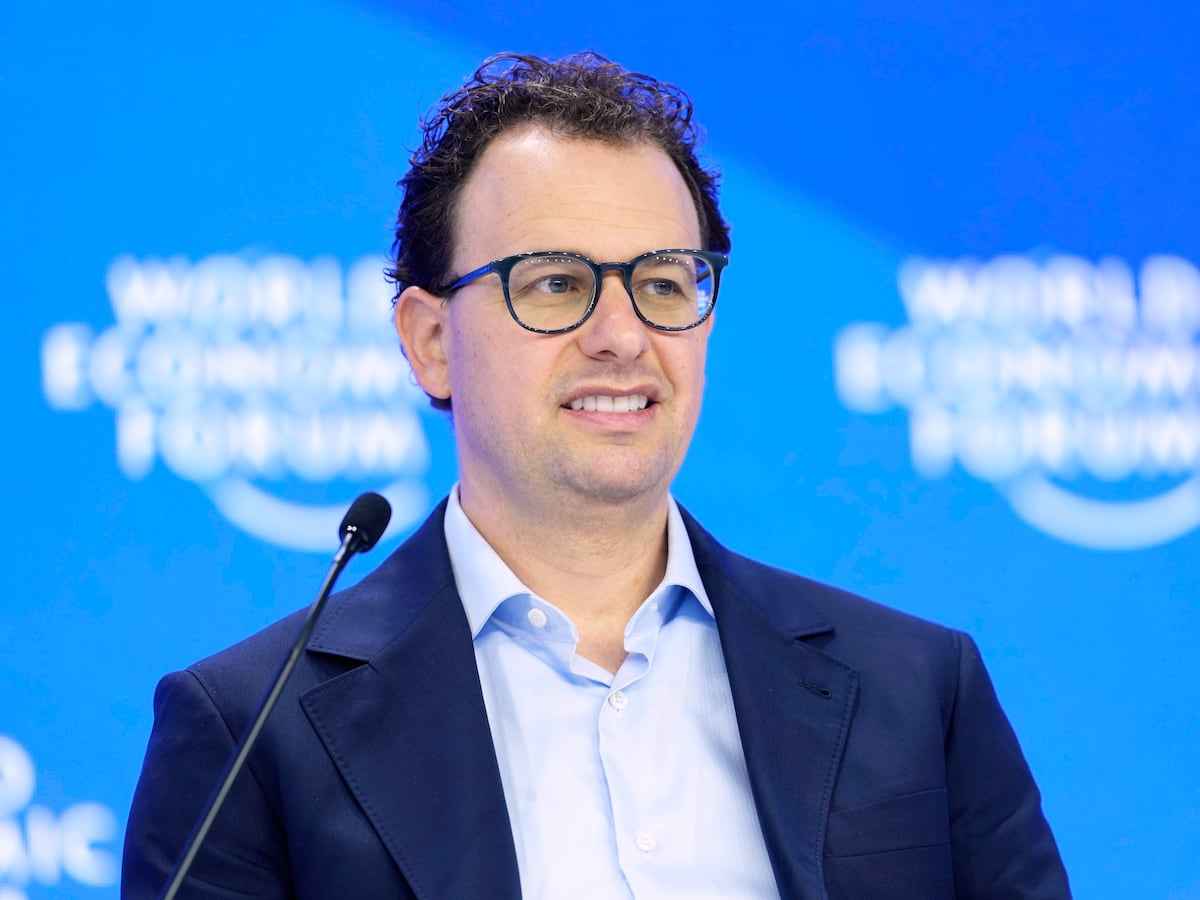
Anthropic CEO Dario Amodei says AI industry needs to give safety measures time to catch up
Anthropic's CEO has consistently advocated for giving safety measures time to catch up with AI development.
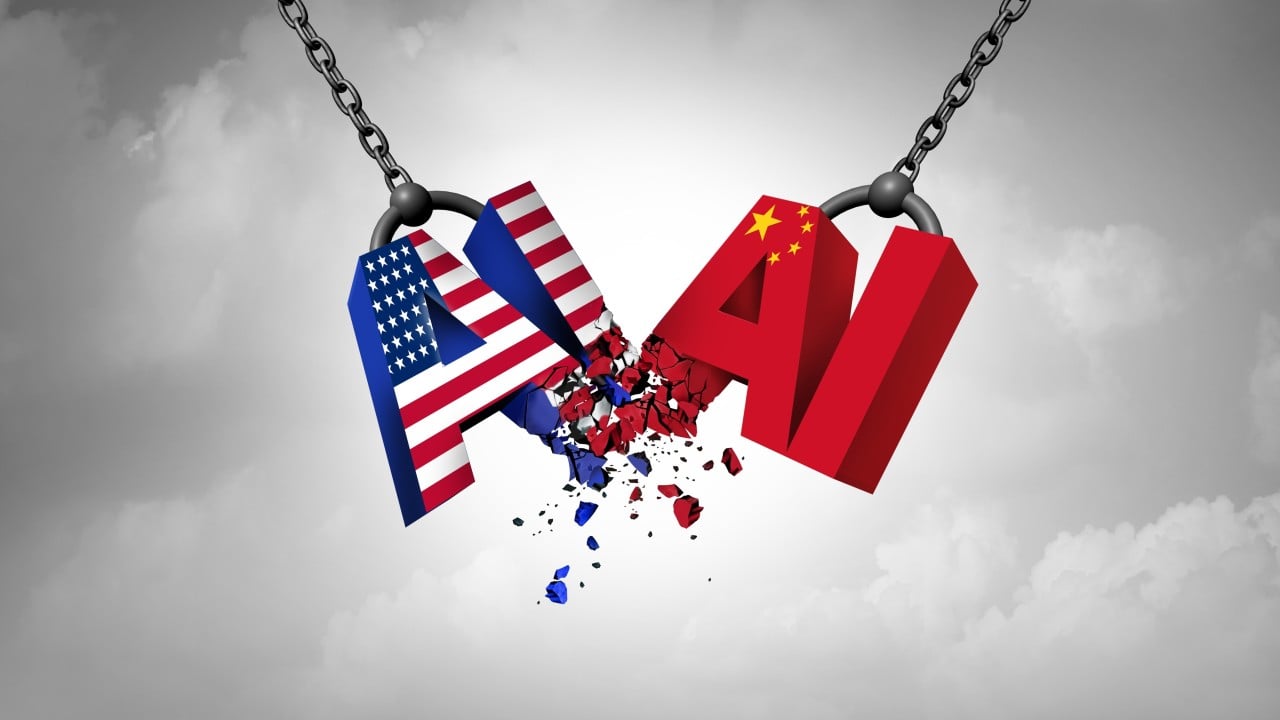
The US and China are racing to build ‘self-improving AI’. Here’s what’s at stake
The US and China's race for self-improving AI highlights the stakes in the global AI development pace debate.
People’s Daily rejects US claims of malicious AI distillation, warns of countermeasures

Databricks to Invest Over US$350 Million in Singapore, Double Its Workforce

Personetics Launches AI Banking Console for Relationship Managers
